
Air Conditioning Installation in Louisville, CO

Air Conditioning Installation in Louisville, CO
Upgrading or installing a new air conditioning system is one of the most important investments you can make for year-round comfort and energy savings in Louisville, CO. With warm, sunny summers, high-elevation cooling demands, and occasional wildfire smoke that affects indoor air quality, homeowners need properly sized, energy-efficient systems installed to code.
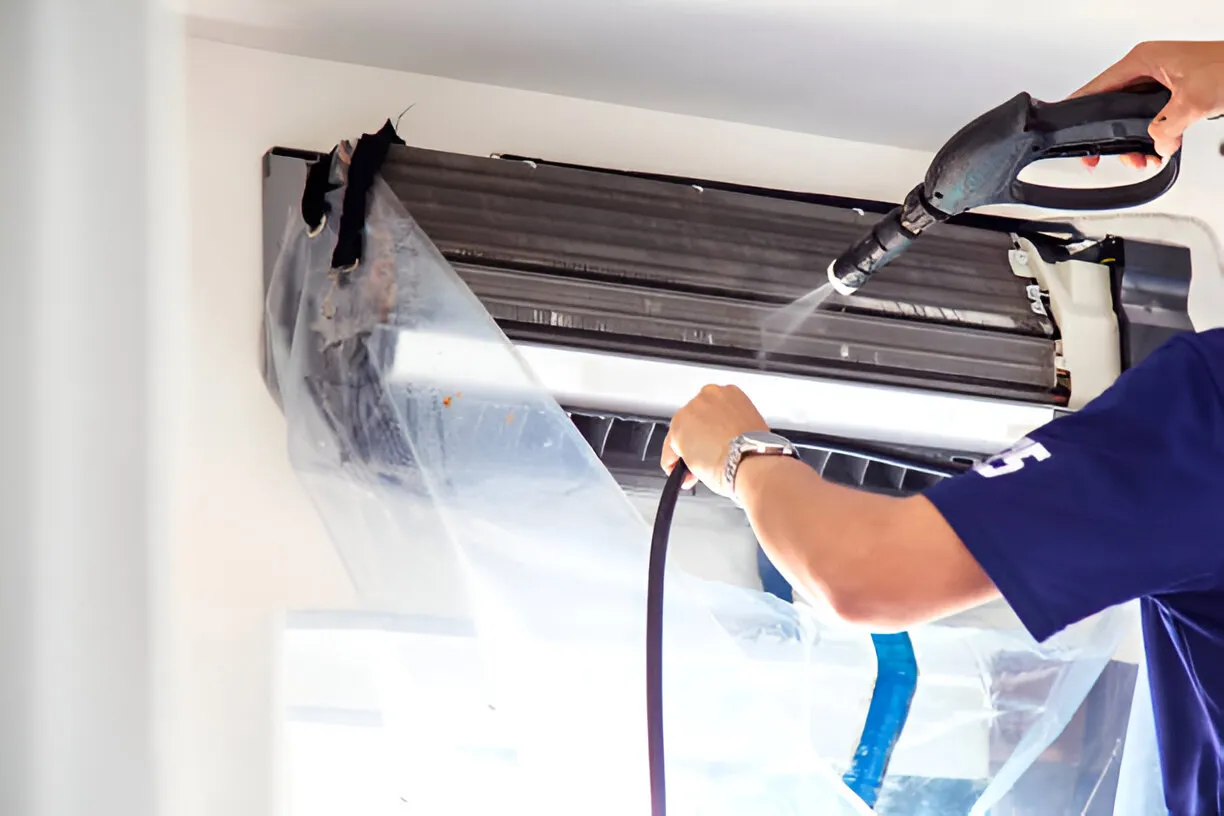
Why a professional, properly sized installation matters in Louisville, CO
- Louisville’s semi-arid climate and higher elevation change how systems perform. Air is thinner at altitude, which can affect compressor load and heat transfer.
- Efficient, correctly sized systems prevent short-cycling, uneven cooling, high energy bills, and premature equipment failure.
- Wildfire smoke and regional air-quality events make pairing high-efficiency cooling with improved filtration or whole-home air purification a smart choice for local homeowners.
Common air conditioning installation types for Louisville homes
- Central air conditioning (split systems) — Most common for single-family homes with existing ductwork.
- Ductless mini-splits — Ideal for room additions, older homes without ducts, or targeted zoning.
- Package units — Used when space or layout requires a single outdoor unit housing all components.
- System replacement with duct upgrades — Replacing both equipment and ductwork for efficiency and comfort improvements.
Initial home assessment and load calculations
A reliable installation starts with a thorough on-site assessment:
- Inspect existing ductwork, insulation levels, attic ventilation, window exposure, and home orientation.
- Perform Manual J load calculations (industry standard) to determine your home’s precise cooling load — not just a rule-of-thumb based on square footage.
- Use Manual S to select equipment sized to the calculated load and Manual D if duct modifications or redesign are needed.
- Evaluate thermostat location and recommend zoning if different areas of the home have inconsistent temperatures.
Why this matters: Correct load calculations ensure the chosen system runs efficiently and maintains comfort without excessive runtime or frequent on/off cycles.
Choosing energy-efficient models and compatible brands
When selecting a system for Louisville homes, consider:
- SEER ratings: Higher SEER (Seasonal Energy Efficiency Ratio) delivers better efficiency. Many homes benefit from systems in the 15–20+ SEER range in Colorado’s climate.
- Compressor types: Variable-speed compressors and two-stage systems offer tighter temperature control, quieter operation, and better humidity management than single-stage compressors.
- Matched components: Always match outdoor condensing units with compatible indoor coils and control systems for optimal performance.
- Trusted brands: Well-known manufacturers such as Trane, Carrier, and Lennox offer models with proven durability, extended warranty options, and parts availability. Consider features like advanced filtration, smart thermostats, and compatibility with heat-pump technology if future electrification is desired.
Professional installation steps and timeline expectations
Typical central AC installation process:
- Preparation and permitting: Confirm required local permits (city or county mechanical/building permit) and schedule inspections. (Permitting timelines vary; allow extra lead time.)
- Site preparation: Protect landscaping, create a stable pad for outdoor equipment, and stage materials.
- Removal: Carefully remove old equipment, recover refrigerant per EPA rules, and dispose of components responsibly.
- Ductwork evaluation and repairs: Seal leaks, add insulation, or modify layouts as needed to meet airflow requirements.
- Equipment installation: Set outdoor unit, install indoor coil or air handler, run refrigerant and condensate lines, and make electrical connections.
- Evacuation and charging: Pull vacuum on refrigerant lines, charge system to manufacturer specifications, and test for leaks.
- Thermostat and controls: Install or upgrade thermostat, configure settings and any zoning or smart control features.
- Start-up and commissioning: Verify airflow, refrigerant charge, electrical loads, and temperature differentials; test safety controls.
- Final inspection and documentation: Complete required local inspections and provide equipment documentation, warranty registration details, and maintenance recommendations.
Timeline:
- Simple like-for-like central AC replacements often complete in 1–2 days.
- Installations that include ductwork work, structural access, or permitting can take multiple days to several weeks (including permit approval time).
- Ductless mini-splits can be completed in 1–2 days for most installs.
Permit, code, and regulatory considerations in Louisville
- Mechanical and building permits are typically required for HVAC installations in Louisville and Boulder County; inspections verify code compliance.
- Refrigerant handling must comply with EPA Section 608 regulations; certified technicians must recover and recycle refrigerants.
- Electrical work must meet local electrical codes and often requires inspection.
- Proper permits and inspections protect homeowners, ensure safe operation, and are commonly required for future resale.
Warranties, rebates, and financing options
- Manufacturer warranties: Many brands offer limited warranties on major components (compressors, coils). Warranty length varies; some manufacturers offer extended warranties when systems are registered promptly.
- Labor or workmanship warranties: Professional installers often provide a labor warranty covering installation-related failures for a defined period.
- Utility rebates and incentives: Louisville homeowners may qualify for utility rebates or local incentives for high-efficiency systems or heat pumps through regional programs; check current local utility offerings when evaluating options.
- Financing: Multiple financing paths exist for homeowners to spread equipment costs, including manufacturer financing, home improvement loans, or lender programs. Financing availability and terms vary.
Post-installation testing and tips for optimal performance
- Confirm an appropriate temperature split (delta T) between supply and return air — typically 16–22°F for properly functioning systems.
- Ensure airflow is balanced; verify supply grille velocities and room-by-room comfort.
- Programmable or smart thermostats should be set for efficient schedules; consider setback strategies during shoulder seasons.
- Replace or upgrade filters to MERV levels appropriate for your home and any wildfire smoke concerns; consider adding whole-home air purification if IAQ is a priority.
- Schedule annual preventive maintenance: seasonal tune-ups extend system life, preserve efficiency, and prevent unexpected breakdowns.
Long-term benefits and maintenance advice for Louisville homeowners
- A professionally installed, correctly sized system reduces energy costs, improves indoor comfort, and minimizes repairs over the system’s lifetime.
- Given Louisville’s climate and occasional smoke events, pairing a high-efficiency AC with improved filtration pays dividends in comfort and health.
- Regular filter changes, annual inspections, and timely duct sealing maintain performance and protect your investment.
A comprehensive air conditioning installation in Louisville, CO means accurate load calculations, careful equipment selection from reputable brands, compliance with local permits and codes, skilled installation, and thorough commissioning. With the right approach, homeowners get a quieter, more efficient system that handles Louisville’s unique climate and air-quality challenges while delivering reliable comfort year after year.
Promotions
Save on seasonal system checks from a local team that treats your home like our own.

Testimonials
Neighbors trust Quality Heating & Air for honest work and fair pricing.