
Air Conditioning Repair in Golden, CO
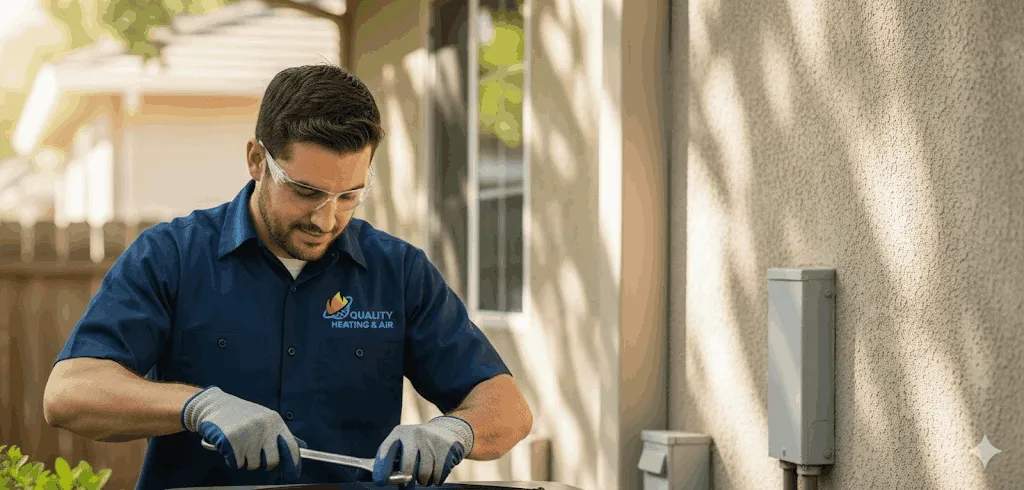
Air Conditioning Repair in Golden, CO
Keeping your home comfortable through Golden summers and rapid seasonal swings means a reliable air conditioner. Air Conditioning Repair in Golden, CO focuses on diagnosing and fixing the faults that interrupt cooling when you need it most.
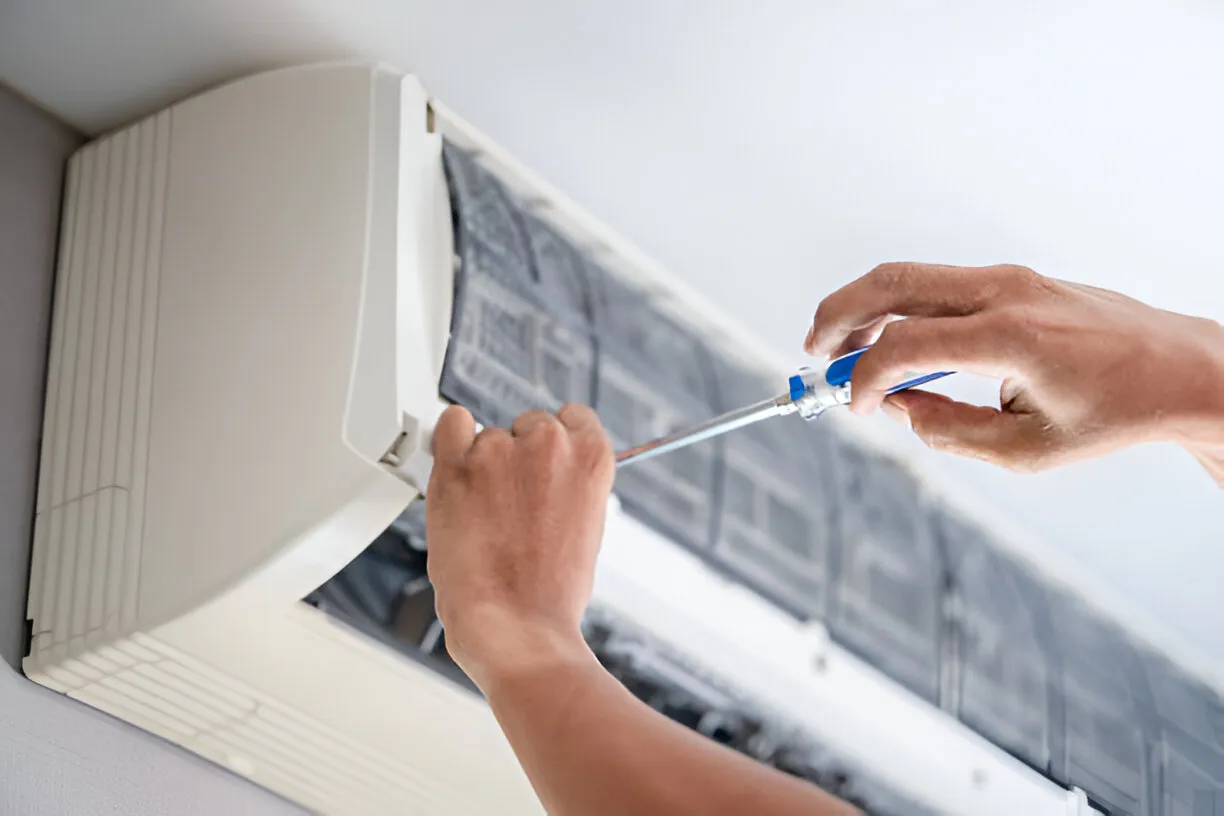
Why timely AC repair matters in Golden, CO
Golden experiences warm, dry summers with occasional monsoonal storms and wildfire smoke that increase indoor particle loads. High altitude and lower air density also change system performance compared with lower-elevation areas. Small problems left unattended become bigger — reduced efficiency raises energy bills, and component failures during heat waves stress replacement options. Prompt, professional AC repair restores comfort, limits energy waste, and extends equipment life.
Common AC repair issues in Golden, CO
Homeowners in Golden most often call for these faults:
- Compressor failures: Signs include little or no cooling, loud humming or clattering from the outdoor unit, or frequent short-cycling.
- Refrigerant leaks: Low refrigerant causes weak cooling and ice on the evaporator coil. Older systems using R-22 are increasingly expensive to recharge.
- Electrical issues: Tripped breakers, blown fuses, failed capacitors or contactors, and damaged wiring cause intermittent or total system shutdowns.
- Thermostat problems: Incorrect temperature readings, dead batteries, poor wiring, or communication faults with smart thermostats produce uneven comfort and short cycles.
- Airflow blockages: Dirty filters, clogged condensate drains, blocked return vents, or failing blower motors reduce airflow and can cause coil freeze-ups.
- Sensor or control board faults: Erratic operation, failed cycles, or non-responsive systems often trace back to sensors or the control board.
Emergency and same-day service availability
Emergencies happen during heat waves or when indoor air quality drops rapidly. Same-day and emergency AC repair options are commonly available to diagnose and stabilize systems quickly — for example resetting safety switches, replacing failed capacitors or contactors, or restoring basic cooling while scheduling comprehensive repairs. In Golden, responsiveness is important during peak-season heat or when wildfire smoke increases demand for filtration and ventilation.
Step-by-step troubleshooting and repair process
A transparent repair process reduces surprises and ensures you know what to expect:
- Pre-visit intake: Technician collects symptoms, system brand and approximate age, and whether the problem is intermittent or constant.
- Onsite safety check: Verify power, system controls, and safety interlocks before deeper diagnostics.
- Basic homeowner troubleshooting: Inspect filter, thermostat settings and batteries, breaker panel, and outdoor unit clearance.
- System diagnostics: Measure refrigerant pressures, motor and capacitor electrical values, thermostat communication, and airflow at supply registers. Use leak-detection tools when pressures indicate a loss.
- Diagnosis and written estimate: Technician explains findings in plain terms, lists repair options (repair vs replacement considerations), and provides a written estimate with parts and labor breakdown.
- Repair execution: Replace or repair failed parts, test the system under load, perform refrigerant recovery and recharge if needed, and verify safe operation and cooling performance.
- Final review and maintenance advice: Provide before-and-after temperatures, any warranty coverage, and recommendations to prevent recurrence.
Typical repair timelines
- Quick fixes (thermostat, filter change, capacitor or contactor replacement): same day, often within a few hours.
- Blower motor replacement or evaporator coil cleaning: same day to one day, depending on parts.
- Refrigerant leak detection and repair plus recharge: one to two days, sometimes longer if component sourcing is required.
- Compressor replacement or major outdoor unit repairs: one to two days depending on parts availability and permitting requirements.
- System replacement (when repair is not cost-effective): one to three days depending on system size and installation complexity.
These timelines reflect common scenarios in Golden, where parts for older refrigerant systems (R-22) may require extra sourcing time.
Pricing transparency and factors that affect cost
Transparent pricing includes a diagnostic fee plus parts and labor. Factors that influence cost:
- Nature of the failure (electrical part vs major refrigerant or compressor repair)
- System age and refrigerant type (R-22 repairs are more expensive due to limited supply)
- Accessibility of equipment (tight attic or rooftop access increases labor time)
- OEM vs aftermarket parts selection
- Local codes and refrigerant recovery requirements
Estimates should be provided in writing before repairs proceed. Costs are typically itemized so you can see parts, labor, and any necessary permits or refrigerant handling fees.
OEM parts and warranty information
Using OEM or manufacturer-equivalent parts ensures compatibility and helps maintain existing equipment warranties. Key warranty points:
- Manufacturer warranty covers specific component failures within the warranty term — proof of maintenance may be required to maintain coverage.
- Labor warranties from the service provider cover workmanship for a stated period and should be documented on the invoice.
- Replacing parts with non-OEM components can affect manufacturer coverage; technicians should explain tradeoffs.Keep records of all repairs and maintenance to support warranty claims and to preserve system value.
Maintenance to prevent future breakdowns
Routine maintenance is the most cost-effective way to avoid emergency AC repair:
- Schedule professional tune-ups in spring: inspect refrigerant charge, clean coils, test controls, and measure airflow.
- Replace filters every 1 to 3 months or sooner during wildfire season or heavy pollen periods common in Golden.
- Keep at least 2 feet clearance around the outdoor unit and remove leaves, grass, and debris regularly.
- Check condensate drains and pans to prevent overflow and secondary water damage.
- Consider upgraded filtration and a programmable or smart thermostat to reduce system stress.
- For high-altitude performance, ensure refrigerant charge and system calibration are appropriate for Golden elevations.
How to request service and what to prepare
Requesting service typically involves selecting a convenient appointment method and sharing symptom details. To prepare for a technician visit:
- Note system brand, model, and age if available
- Describe the problem, including when it started and any recent changes
- List any error codes displayed on the thermostat or control board
- Ensure clear access to the indoor unit, outdoor unit, and electrical panel
- Have a priority list of desired outcomes (temporary repair vs full replacement)
A clear intake and diagnostic walkthrough deliver fast, informed decisions and reduce the likelihood of follow-up visits.
Promotions
Save on seasonal system checks from a local team that treats your home like our own.

Testimonials
Neighbors trust Quality Heating & Air for honest work and fair pricing.