
Mini-Split Repair in Westminster, CO

Mini-Split Repair in Westminster, CO
Mini-split systems are a popular choice in Westminster, CO because they deliver zoned comfort, high efficiency, and a straightforward retrofit option for homes without ductwork. When a mini-split underperforms or fails, the result is immediate discomfort and potential property damage.
Why timely mini-split repair matters in Westminster
Westminster sees hot, dry summers and cold winters at higher elevation. That seasonal swing stresses heat pump components and can accelerate wear on compressors, inverter electronics, and outdoor coils. Dust and pollen in the dry months can clog filters and indoor coils, reducing efficiency. Addressing mini-split problems quickly preserves comfort, prevents secondary damage (like water intrusion from clogged condensate drains), and keeps systems running efficiently in a climate that demands both cooling and heating.
Common mini-split failure symptoms in Westminster, CO
- No cooling or heating: Unit runs but air is not the correct temperature. Common causes include refrigerant loss, compressor fault, or sensor failure.
- Weak airflow or uneven airflow: Dirty filters, failing blower motor, or blocked ductless indoor unit can cause restricted airflow.
- Noisy operation: Unusual grinding, rattling, or high-pitched whine points to fan motor wear, loose mounting, or compressor issues.
- Refrigerant leaks: Visible oil stains, hissing sounds, or poor performance can indicate a refrigerant leak requiring leak location and repair.
- Compressor or inverter faults: Error codes, frequent shutdowns, or failure to start suggest inverter electronics or compressor failure.
- Water leaks or clogged drain: Overflowing condensate pans or wet walls indicate blocked drains or frozen coils.
- Error codes or communication faults: Remote or indoor display error codes commonly relate to sensors, PCB issues, or communication wiring.
- Short cycling or frequent resets: Can result from electrical issues, control board faults, or severely low refrigerant charge.
Step-by-step diagnostic process for mini-split repair in Westminster, CO
- Initial interview and symptom review: Technician documents what you are experiencing and any system error codes.
- Visual inspection: Check indoor and outdoor units for physical damage, debris, and signs of leak or rust.
- Control and power checks: Verify voltage, breakers, disconnects, and remote/thermostat operation.
- Error code retrieval and interpretation: Read and record any fault codes from the indoor unit or remote.
- Airflow and temperature tests: Measure supply and return air temps, and assess blower function and ductless louvers.
- Refrigerant pressure and leak testing: Use gauges and electronic leak detectors to determine charge and locate leaks if needed.
- Electrical component testing: Inspect capacitors, contactors, relays, inverter modules, and sensors.
- Drainage and condensate inspection: Ensure proper condensate flow and functioning float switches if present.
- Performance run and verification: Operate the system through modes to confirm diagnosis and propose repair options.
Typical on-site diagnostic time ranges from 30 minutes for simple checks to up to 90 minutes for complex leak detection and electrical analysis.
Common replacement parts and typical labor tasks
- Inverter circuit board or PCB: Replacement and programming if electronics fail.
- Compressor replacement: Major repair requiring refrigerant recovery, swap, vacuum, and recharge.
- Fan or blower motor: Replace indoor or outdoor motors and balance blades.
- Expansion valve or TXV: Replace when metering device fails and causes irregular cooling or freezing.
- Filter drier, service valves, and line set repairs: Replace corroded service valves, repair brazed joints, and install new filter driers after leaks.
- Sensors and thermostats: Swap faulty temperature sensors or remotes.
- Condensate pump or drain components: Clear or replace clogged lines and pumps.Labor typically includes diagnosis, parts removal and installation, brazing and refrigerant handling, electrical reconnections, system evacuation and recharge, and performance testing. Accessibility of indoor units, length of line sets, and whether parts are in stock affect labor time.
Estimated repair timelines
- Minor repairs and controls: Often completed the same day within 1 to 4 hours if parts are available.
- Refrigerant leak repair and recharge: Can range from a half-day to a full day depending on leak location and whether brazing is required.
- Compressor or major component replacement: May require ordering parts and scheduling 1 to 3 days or more; the on-site swap itself typically takes a full day.
- Complex electrical or multi-zone diagnosis: May require multiple visits to fully resolve if parts must be sourced.
Timelines depend on part availability, system access, and whether an older model requires special parts.
Warranty, safety, and regulatory information
- Manufacturer and parts warranties: Many components carry manufacturer warranties. Confirm model, serial number, and original installation details to determine coverage.
- Certified refrigerant handling: Handling and recovering refrigerant requires certified technicians (EPA 608 or equivalent). Proper recovery and disposal are required by law.
- Safety precautions: Technicians follow lockout-tagout procedures, confirm power isolation, and use personal protective equipment. High-voltage inverter systems require trained technicians to avoid injury or further damage.
- Code and permit considerations: Some municipal regulations apply to refrigerant work and electrical upgrades. Repair technicians can advise if local permits are needed in Westminster.
Pricing and estimate guidance
Rather than fixed prices, professional estimates are based on an itemized assessment that includes diagnostics, parts, labor hours, refrigerant type and quantity, and any recommended upgrades. Good estimates list the failed parts, labor tasks, warranty coverage for parts and workmanship, and expected performance after the repair. When a repair approaches the cost of replacement or the unit is older with recurring failures, replacement may be the more cost-effective long-term option.
Emergency versus routine repairs and expectations
- Emergency situations: Complete loss of heating on very cold days, refrigerant leaks with visible oil or hissing, burning smells, or units that present electrical hazards demand immediate response to protect occupants and property.
- Routine repairs and preventive service: Symptoms like reduced efficiency, minor noise increases, or seasonal performance decline can be scheduled as routine visits. Regular maintenance seasonally reduces emergency breakdowns and extends equipment life.
On emergency calls, technicians prioritize safety, temporary stabilizing repairs, and clear communication of options for complete repair.
Maintenance and prevention tips for Westminster homes
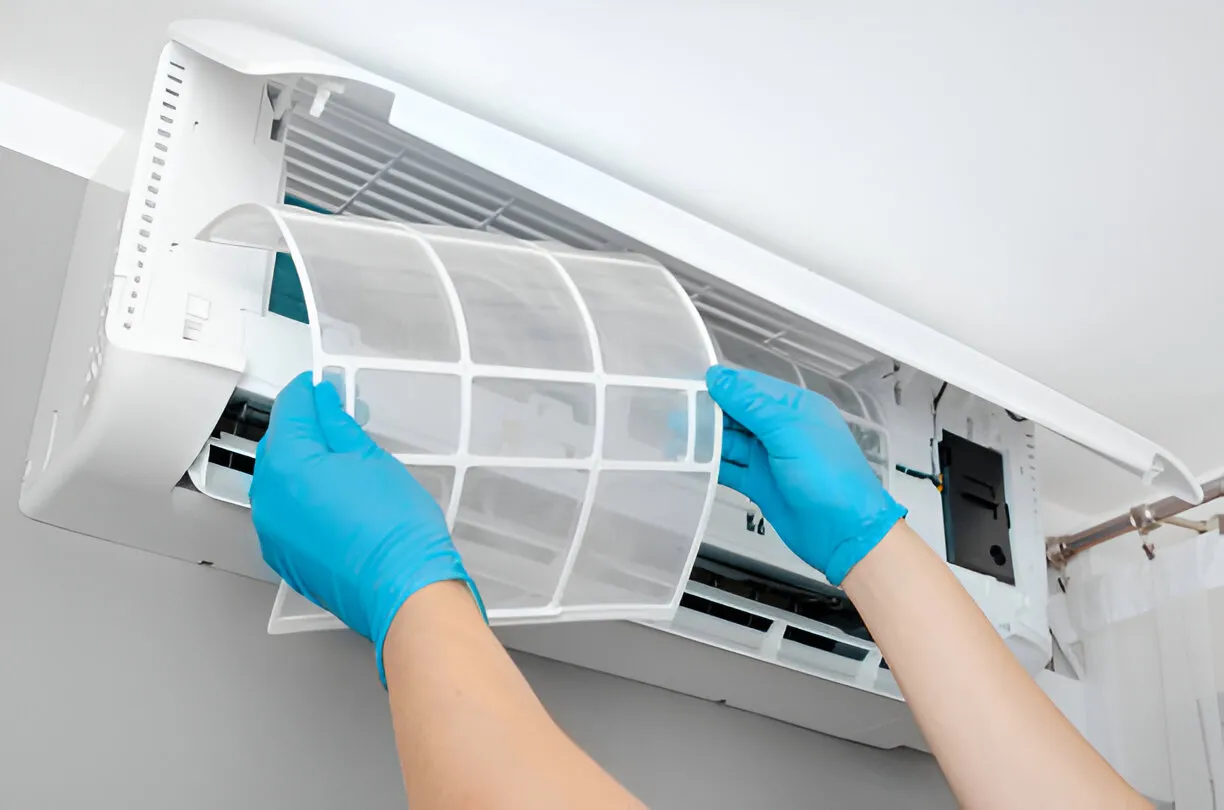
- Replace or clean filters monthly during heavy use seasons.
- Keep outdoor units clear of debris, snow, and vegetation; secure panels before hail season.
- Schedule annual maintenance before summer and before the heating season to check refrigerant charge, clean coils, and inspect controls.
- Use surge protection for electronics against summer storm-related power events.
- Insulate exposed refrigerant lines and ensure proper condensate drainage to avoid freezing or water damage in winter.
Timely diagnostics and repairs restore comfort, improve energy efficiency, reduce utility costs, and extend the service life of your mini-split system. For Westminster homeowners relying on ductless systems for year-round comfort, professional, safety-conscious repair and routine maintenance are the best ways to avoid interruptions and costly failures.
Promotions
Save on seasonal system checks from a local team that treats your home like our own.

Testimonials
Neighbors trust Quality Heating & Air for honest work and fair pricing.