
Mini-Split Repair in Arvada, CO
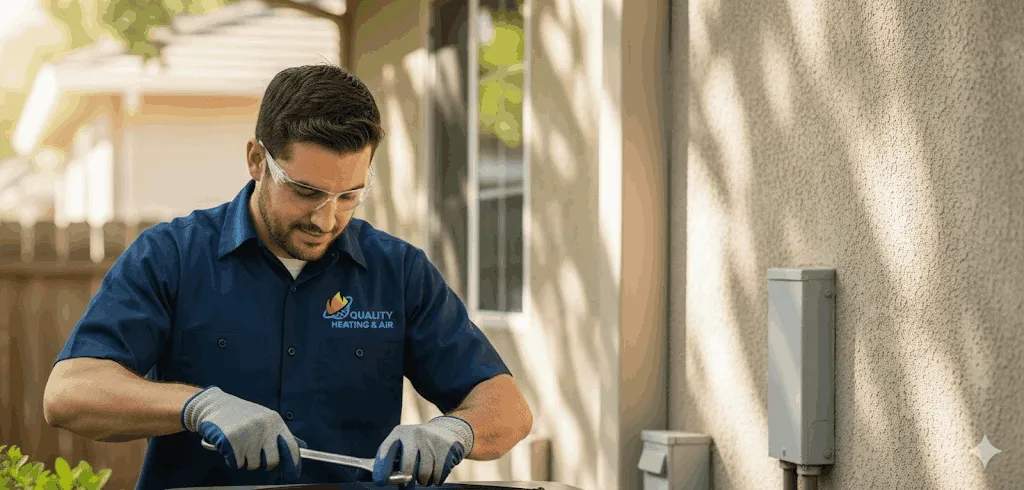
Mini-Split Repair in Arvada, CO
Mini-split systems are a popular choice for Arvada homes because they deliver efficient, quiet, zoned heating and cooling without ductwork. When a unit stops cooling, makes unusual noises, or cycles unpredictably, it disrupts comfort and can raise energy bills. Professional mini-split repair in Arvada, CO focuses on fast, accurate diagnosis and safe, code-compliant fixes that protect your system and extend its life while accounting for local climate impacts like wide seasonal temperature swings and dusty spring conditions.
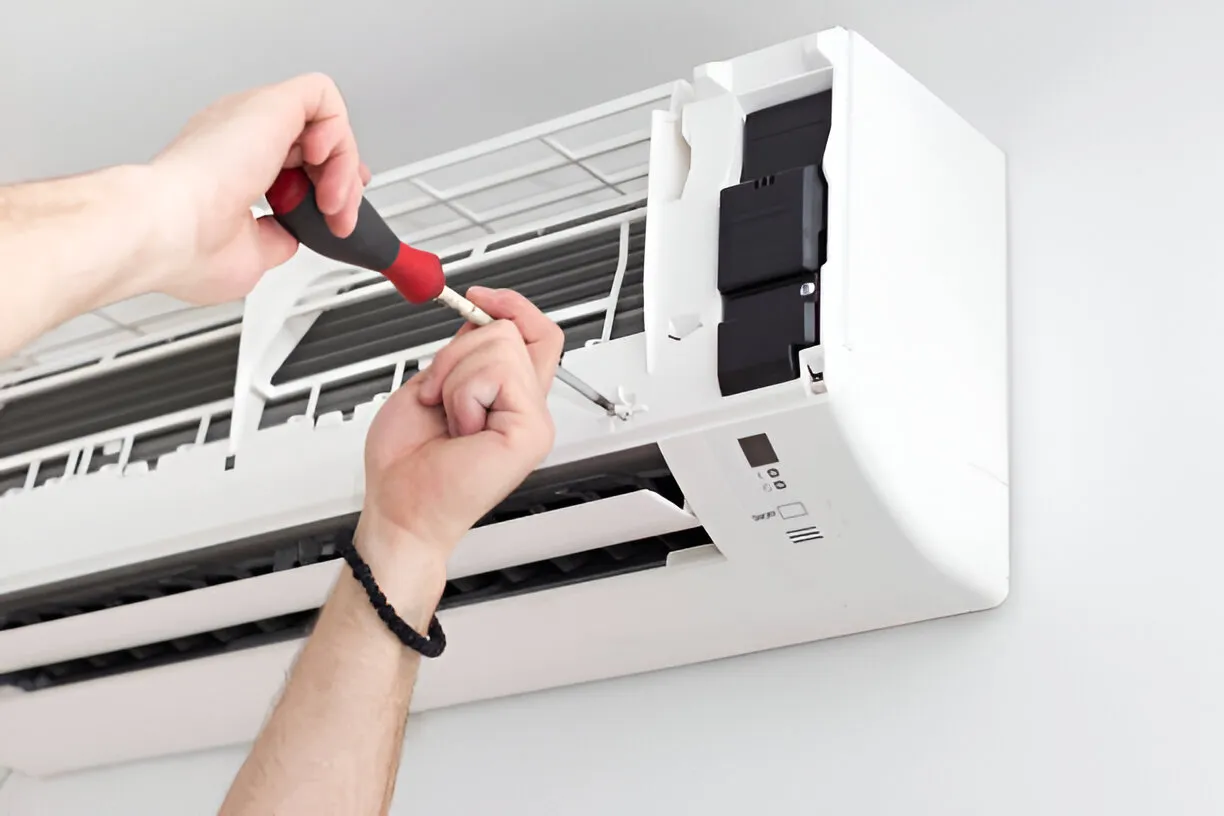
Why timely mini-split repair matters in Arvada
- Arvada experiences hot, dry summers and cold winters; mini-splits often work year-round for both heating and cooling, so small faults can escalate quickly.
- High altitude and temperature swings can amplify refrigerant and pressure-related issues, making prompt diagnostics important.
- Dirt, pollen, and road dust common to the Denver metro area accumulate on outdoor coils and indoor filters, reducing efficiency and increasing compressor load.
Common mini-split problems we address
- Weak or no cooling/heating performance
- Intermittent operation or frequent short-cycling
- Unusual noises from indoor blower or outdoor compressor (rattling, grinding, hissing)
- Visible refrigerant leaks or ice forming on evaporator coils
- Indoor fan not operating or reduced airflow
- Error codes and control board lockouts
- Water leaking from indoor unit or clogged condensate drain
- Remote control or communication failures between indoor and outdoor units
Diagnostic process: what professional repair includes
A thorough, professional mini-split repair begins with a structured diagnostic sequence to identify root causes and avoid unnecessary part replacements.
- Visual inspection and customer history
- Inspect indoor and outdoor units, filter condition, condensate drain routing, and mounting.
- Review symptom history and any recent changes (power interruptions, construction, pets).
- Electrical system checks
- Verify correct voltage and amp draw at the outdoor unit and indoor blower motors.
- Check fuses, contactors, circuit breakers, control board connections, and wiring continuity.
- Test thermostat/remote signal and communication lines for multi-zone systems.
- Refrigerant leak detection and pressure testing
- Measure operating superheat/subcooling and system pressures to assess refrigerant charge and performance.
- Use electronic leak detectors and dye or UV methods when needed.
- Evacuate and pressure-test lines per manufacturer guidance after repairs to confirm integrity.
- Compressor and fan inspections
- Assess compressor health through electrical diagnostics and performance testing.
- Inspect outdoor fan blades and motor bearings for wear or damage.
- Evaluate indoor blower motors and wheel balance; check for debris buildup that reduces airflow.
- Controls, sensors, and electronics
- Read error codes, test temperature sensors, and evaluate PCBs and inverter drives.
- Validate communication between indoor and outdoor units in multi-zone setups.
Typical repair timelines
- Initial diagnostic visit: commonly 30–60 minutes depending on system complexity and number of indoor heads.
- Minor repairs (thermostat replacement, filter/coil cleaning, condensate unclogging): often completed the same day within 1–3 hours.
- Refrigerant leak location and repair: can require multiple steps — detection, repair of piping or fittings, evacuation, recharge, and performance verification — typically several hours and possibly follow-up visits if parts must be ordered.
- Major component replacements (compressor, inverter board, fan motor): usually span half a day to a full day; multi-zone systems may take longer.Timelines depend on parts availability and whether specialized components must be ordered.
Parts, brand compatibility, and replacement guidance
- Mini-splits include many brand-specific components (inverter compressors, PCBs, communication harnesses). Common manufacturers in the market include Daikin, Mitsubishi Electric, Fujitsu, LG, Gree, and Midea, and many systems are designed with proprietary parts.
- When repairs are feasible, certified technicians will aim to use OEM or OEM-equivalent components to preserve inverter compatibility and warranty coverage.
- Some older or out-of-production models may require retrofitted solutions or whole-unit replacement when critical control or compressor parts are no longer available.
Warranty, safety, and compliance
- Proper refrigerant handling follows EPA 608 regulations and manufacturer service recommendations. Technicians use recovery and evacuation equipment to meet environmental and safety standards.
- Electrical repairs are performed to local electrical code, with attention to proper grounding, breaker sizing, and disconnect access.
- Many manufacturers require authorized technicians for warranty work; documented diagnostics and service records help preserve any remaining warranty coverage.
- Safety checks include verifying combustion clearances (if integrating with other HVAC equipment), secure mounting, condensate routing, and safe refrigerant pressures.
Emergency repair availability for Arvada homes
- Mini-split failures during heat waves or cold snaps can be urgent. Emergency responses prioritize systems affecting safety or when multiple rooms lose conditioned air.
- Emergency procedures generally include securing the system, temporary fixes to restore operation when safe, isolating refrigerant leaks, and scheduling definitive repairs as soon as parts and resources are available.
- For homes with critical needs (infant or elderly occupants, medical equipment), rapid assessment and temporary measures can minimize disruption until full repair is completed.
Tips to prevent recurring mini-split issues in Arvada, CO
- Clean or replace indoor filters every 1–3 months during high-use seasons to prevent airflow restriction and indoor coil icing.
- Keep outdoor units clear of debris, snow, and ice; ensure at least 24–36 inches of clearance for proper airflow and service access.
- Schedule professional maintenance at least once a year; for year-round use, consider spring and fall checkups to prepare the system for peak cooling and heating demands.
- Protect refrigerant lines and condensate drains from freezing and UV degradation; check insulation jackets periodically.
- Avoid frequent abrupt thermostat changes that cause short-cycling; use gradual setpoint adjustments and built-in timers or sleep modes.
- Watch for early warning signs: unusual noises, decreased airflow, unexplained energy increases, or persistent error codes — addressing these early prevents larger failures.
Mini-split repair in Arvada, CO requires technicians who understand local climate impacts, refrigerant behaviors at altitude, and the brand-specific nuances of inverter-driven systems. Effective repair restores comfort, improves efficiency, and reduces the risk of repeated breakdowns when done thoroughly and with the correct parts. Proper maintenance and timely diagnostics are key to maximizing lifespan and maintaining predictable performance in Arvada’s seasonal extremes.
Promotions
Save on seasonal system checks from a local team that treats your home like our own.

Testimonials
Neighbors trust Quality Heating & Air for honest work and fair pricing.