
Mini-Split Installation in Commerce City, CO

Mini-Split Installation in Commerce City, CO
Mini-split installation in Commerce City, CO offers a flexible, energy-efficient solution for homes that need targeted cooling and heating without ductwork. For local homeowners dealing with hot Front Range summers, wide daily temperature swings, and cold winters, a properly sized and installed ductless mini-split can deliver consistent comfort, lower energy use, and zoned control.
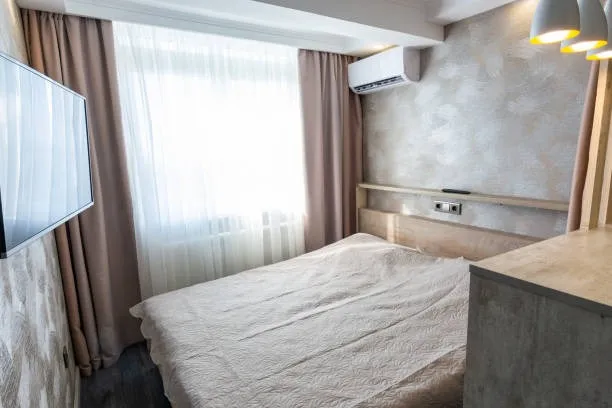
Why choose a mini-split for Commerce City homes
- Energy-efficient zoning that cools or heats only the rooms you use, reducing utility costs in a climate with both hot summers and cold winters.
- Ductless design avoids air loss from ducts, which is important in older homes or house additions common in the area.
- Modern units offer reliable low-ambient heating performance for Colorado winters when the right model is selected.
- Compact indoor units and minimal exterior footprint fit well on homes with limited yard space or restrictive HOA rules in Commerce City neighborhoods.
Common mini-split issues in Commerce City, CO
- Undersized systems due to not accounting for altitude and heat loss during cold snaps.
- Poor outdoor unit placement leading to snow accumulation, sun overload, or wind exposure that reduces performance.
- Inadequate refrigerant charging or line insulation that causes frost, reduced efficiency, or noise.
- Improper condensate drainage in basements or thick-walled homes, leading to leaks or mold risk.
- Control and connectivity problems when homeowners expect seamless smart control without proper setup.
Types of mini-split systems homeowners consider
- Single-zone wall-mounted: Best for a single room or an accessory dwelling unit.
- Multi-zone systems: Ability to connect several indoor units to one outdoor condenser for whole-house or multi-room comfort without ducts.
- Floor-standing and ceiling cassette units: Useful when wall space is limited or when a more discreet aesthetic is desired.
- Cold-climate models (inverter compressors, advanced refrigerants): Recommended for Commerce City to maintain heating capacity during subfreezing weather.
The mini-split installation process
Below is a step-by-step outline of a professional mini-split installation so you know what to expect from site assessment through commissioning.
1. Site assessment and load calculations
- Technician inspects each space: orientation, insulation levels, window types, ceiling height, and typical occupancy patterns.
- A Manual J style load calculation is performed and adjusted for Commerce City elevation and local design temperatures. Altitude affects air density and capacity, so correct calculations prevent undersizing.
- Evaluate electrical service capacity, breaker panel space, and permit requirements under local building codes.
2. Indoor and outdoor unit placement
- Indoor units are sited for optimal airflow and aesthetics: high on an interior wall for wall-mounted units, or centered for ceiling cassettes.
- Outdoor unit placement considers sun exposure, wind, airflow clearance, and snow drift. In Commerce City, outdoor units are often elevated on brackets or pads to avoid snow and runoff.
- Clearance for service access and noise considerations for neighbors are addressed.
3. Refrigerant line and electrical work
- A small 2 to 3 inch hole is drilled through the wall for the refrigerant lines, condensate drain, and low-voltage wiring.
- Copper refrigerant lines are run and properly insulated with closed-cell foam to prevent thermal loss and condensation.
- Vacuuming and leak testing of the refrigerant circuit is performed. Technicians charge systems by weight or superheat method depending on manufacturer requirements.
- A dedicated electrical circuit, proper disconnect, and surge protection are installed per code. Permits and inspections are scheduled if required by Commerce City regulations.
4. Mounting, insulation, and condensate management
- Indoor unit mounting brackets are leveled and secured to wall studs or structural backing.
- Refrigerant lines are enclosed in a neat conduit or cover where visible. Line sets are insulated and sealed at the wall penetration.
- Condensate lines are routed with appropriate slope. In cold climates, options include heated drain lines or condensate pumps for basement units to prevent freeze issues.
5. Thermostat and controller setup
- Units are configured with their remote, central controller, or integrated smart control. Wi Fi and app setup is completed for remote monitoring where supported.
- Zoning settings, schedules, and temperature limits are programmed to match homeowner preferences and local heating design days.
6. Post-installation testing and commissioning
- System is turned on and run through a full sequence: heat, cool, defrost cycles.
- Technicians measure temperature splits, airflow, electrical draw, refrigerant pressures, and verify that firmware settings match manufacturer specs.
- Leak test results, final refrigerant charge, and electrical checks are documented.
7. Quality checks and homeowner orientation
- Inspectors check mounts, line insulation integrity, condensate routing, and exterior anchoring for winter snow and wind.
- Homeowner receives hands-on demonstration of controls, basic troubleshooting tips, and written care instructions. Warranty and equipment documentation are provided.
Brand and model recommendations for Commerce City
- Choose cold-climate rated models from reputable brands with proven Denver Front Range performance. Brands to consider include Daikin, Mitsubishi Electric, Fujitsu, Carrier, and Trane. Look for inverter technology, low-ambient heating capability, and strong local support for parts and service.
- Match system features to your needs: multi-zone flexibility, HEPA filtration options, smart controls, and noise ratings for living areas.
What homeowners should expect on installation day
- Duration: Most single-zone installs take 3 to 6 hours. Multi-zone systems or complex runs can take a full day or longer.
- Work area protection: Technicians typically lay down floor covers and trim protection to minimize dust and debris.
- Small wall penetration: Expect a small, neat hole for line sets that installers seal and cover with a trim plate or exterior cover.
- Noise and access: Some outdoor noise and crew activity is normal during installation. Technicians will need access to the circuit breaker and the chosen indoor spaces.
- Final walkthrough: Technician demonstrates operation, provides care tips, and leaves warranty paperwork and user manuals.
Maintenance tips and avoiding problems
- Schedule annual tune ups before summer and winter to check refrigerant, clean filters, and verify controls.
- Keep outdoor unit clear of snow, ice, and debris. In Commerce City, raise units above typical snow levels and clear a drift-free zone.
- Replace or clean indoor filters monthly to maintain airflow and efficiency.
- Watch for common signs of trouble: reduced airflow, whining noises, temperature swings, or visible leaks. Early diagnosis prevents larger repairs.
Mini-split installation in Commerce City, CO is most successful when it combines accurate load calculations, appropriate cold-climate equipment, careful outdoor placement for snow and wind, and meticulous refrigerant and electrical work. With proper installation and routine maintenance, a ductless mini-split will provide reliable, efficient comfort year round in Commerce City homes.
Promotions
Save on seasonal system checks from a local team that treats your home like our own.

Testimonials
Neighbors trust Quality Heating & Air for honest work and fair pricing.