
Air Purification Systems in Northglenn, CO
Air Purification Systems in Northglenn, CO
Indoor air quality in Northglenn homes matters more than ever. Seasonal pollen, frequent dust from dry winds, wintertime airtighting, and occasional wildfire smoke from the Front Range can all raise indoor pollutant levels. An appropriately selected and installed air purification system reduces allergens, smoke particles, volatile organic compounds (VOCs), and pathogens—helping allergy and asthma sufferers breathe easier and improving overall home comfort.
Why choose an air purification system for Northglenn homes
- Local air quality spikes from spring pollen and summer wildfire smoke make filtration critical.
- Tight, energy-efficient homes often trap pollutants indoors during cold months.
- Pets, cooking, and remodeling products add persistent odors and VOCs that standard HVAC filters cannot remove.An effective system targets the specific contaminants common in the area and suits your home’s size and ventilation characteristics.
Common air purification technologies and what they do
- HEPA (True HEPA): Captures 99.97% of particles down to 0.3 microns. Best for pollen, dust, pet dander, smoke particulates, and many aerosolized pathogens. Ideal as either whole-house in-duct units or standalone room purifiers.
- Activated carbon: Adsorbs odors, smoke gases, and VOCs. Often paired with HEPA to handle both particles and gases.
- UV / UV-C: Inactivates bacteria, viruses, and mold spores when installed in the airstream. Effectiveness depends on exposure time and lamp intensity; best used as a complement to filtration.
- Electronic cleaners / Electrostatic precipitators: Charge and capture particles on plates; effective for fine particles but require regular cleaning and verified low ozone emissions.
- Bipolar ionization: Produces charged ions that aggregate particles and can reduce some pathogens. Performance varies by product and independent testing; select systems with third-party validation and low ozone output.
Integration with existing HVAC vs standalone units
- Whole-house (in-duct) systems integrate with your furnace/AC air handler to treat air circulated throughout the home. Pros: centralized filtration, no extra floor space, can treat all living areas. Consider HVAC capacity and ductwork condition before upgrading.
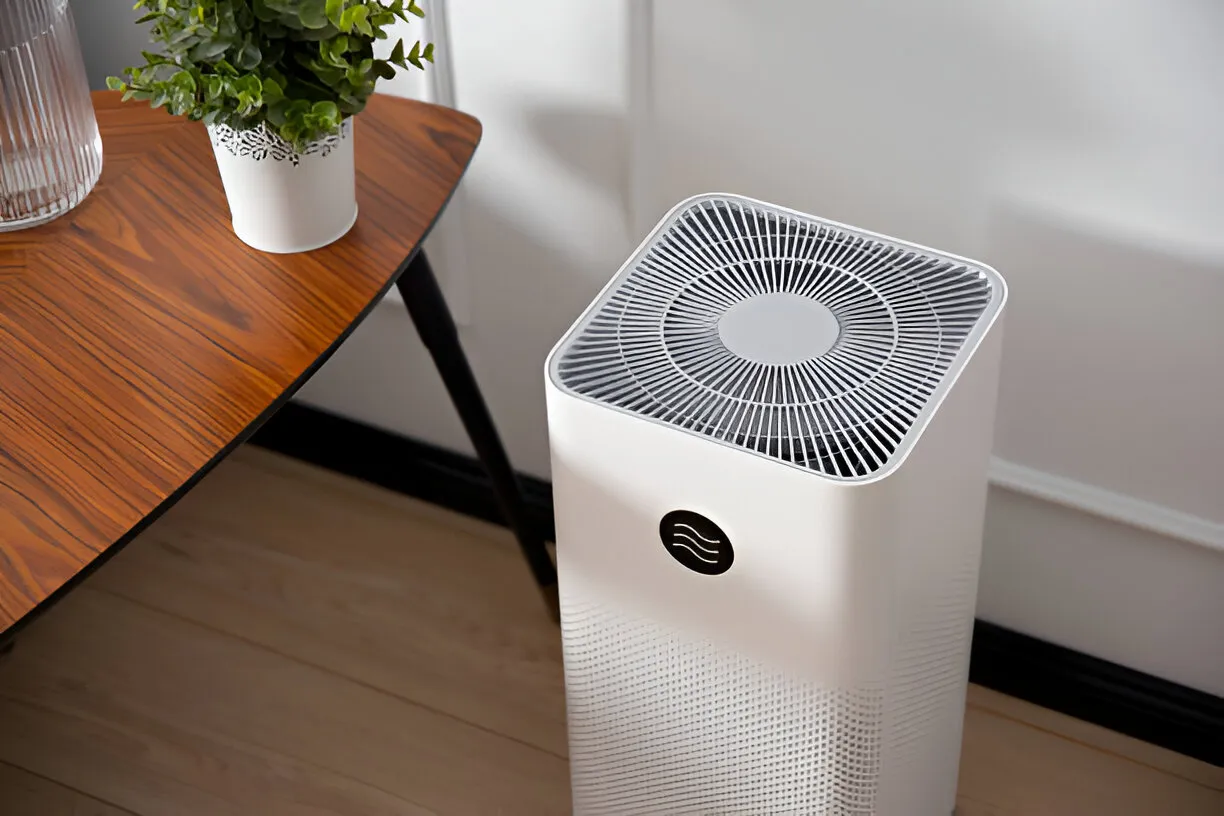
- Standalone room purifiers offer flexible, targeted filtration for bedrooms, living rooms, or home offices. Pros: portable, scalable, quick to install. Best when focused, high CADR (clean air delivery rate) units are used in spaces where occupants spend the most time.Selecting between in-duct and standalone often depends on home layout, HVAC compatibility, budget considerations, and whether you need VOC removal in addition to particle filtration.
Sizing and selecting the right system
- Aim for appropriate ACH (air changes per hour): general comfort 4–6 ACH, higher targets for allergy, asthma, or smoke exposure situations. For critical rooms (bedrooms), prioritize higher ACH.
- For room purifiers use CADR ratings: a simple calculation is CADR needed = (room volume × desired ACH) / 60. Example inputs include room square footage, ceiling height, and target ACH.
- For whole-house systems, selection is based on your HVAC’s airflow (CFM), duct layout, and home square footage. Upgrading prefilters and adding a HEPA or carbon stage may be necessary for optimal performance.
- Consider maintenance needs, filter costs, and noise levels. Look for clearly stated CADR, AHAM certifications, and manufacturer documentation.
Benefits for allergy, asthma sufferers, and pathogen reduction
- HEPA filtration significantly lowers indoor pollen, dust mites, pet dander, and fine smoke particles—common triggers for allergic reactions and asthma exacerbations.
- Carbon stages reduce odors and harmful gases from cleaning products or wildfire smoke.
- UV-C and validated ionization technologies can reduce viable airborne pathogens when properly designed and dosed.
- Combining filtration, carbon adsorption, and validated pathogen reduction strategies provides the most comprehensive protection.
Installation process and typical timeline
- Assessment: Onsite inspection of HVAC system, ductwork, and living spaces to identify pollutants, airflow, and suitable system types. This usually includes measuring home square footage and discussing household sensitivities.
- Proposal and equipment selection: Recommendations for whole-house in-duct systems or room purifiers, with explanation of expected performance and maintenance.
- Installation: Simple standalone units may be placed and started the same day. In-duct or integrated systems typically require a scheduled installation window; prep may include minor duct modifications, mountings, or control integrations.
- Verification and handoff: Post-install performance checks confirm airflow, filter fitment, and baseline particle/VOC reduction expectations.Typical lead times vary by product availability and complexity of integration, with straightforward installs completed in hours and more complex whole-house integrations scheduled over a day.
Routine maintenance and filter replacement schedules
- Pre-filters: Check every 1–3 months; replace or clean per manufacturer guidance.
- True HEPA filters: Commonly replaced every 6–12 months depending on usage, indoor pollutant load, and manufacturer recommendations.
- Activated carbon filters: Lifespan varies widely; often 3–12 months depending on VOC exposure and smoke events.
- UV lamps: Replace annually or per lamp life specifications to maintain disinfection efficacy.
- Electronic plates and ionization modules: Clean and inspect frequently; follow product-specific service intervals.Plan for more frequent filter changes after wildfire smoke events, renovation projects, or if occupants have severe allergies.
Performance testing and certifications to look for
- HEPA / True HEPA classification and documented capture efficiency.
- AHAM / CADR ratings for room purifiers, showing particle removal performance.
- UL/ETL safety listings for electrical components.
- CARB compliance or similar certifications confirming low ozone emissions for ionization or electronic systems.
- Independent lab testing and ASHRAE-aligned performance data strengthen confidence in pathogen reduction claims.Post-installation verification can include particle counts, VOC readings, and airflow measurements to quantify system effectiveness.
Warranty and service options
Warranty coverage typically includes manufacturer parts and may be supplemented by labor or installation guarantees. Confirm whether filter replacements, UV lamp replacements, and electronic module services are included under any service agreements or require separate maintenance plans. Review documentation for performance guarantees or satisfaction clauses where available.
How scheduling and installation coordination generally work
Homeowners in Northglenn usually proceed through a simple sequence: request a home assessment, receive a tailored recommendation and written proposal, agree on equipment and maintenance terms, and then coordinate an installation date that fits the household schedule. Installations are scheduled to minimize disruption and include a post-installation verification step to ensure expected performance.
Promotions
Save on seasonal system checks from a local team that treats your home like our own.

Testimonials
Neighbors trust Quality Heating & Air for honest work and fair pricing.