
Air Purification Systems in Louisville, CO
Air purification systems in Louisville, CO: explore technologies, installation options, and maintenance to improve indoor air quality. Learn more today.
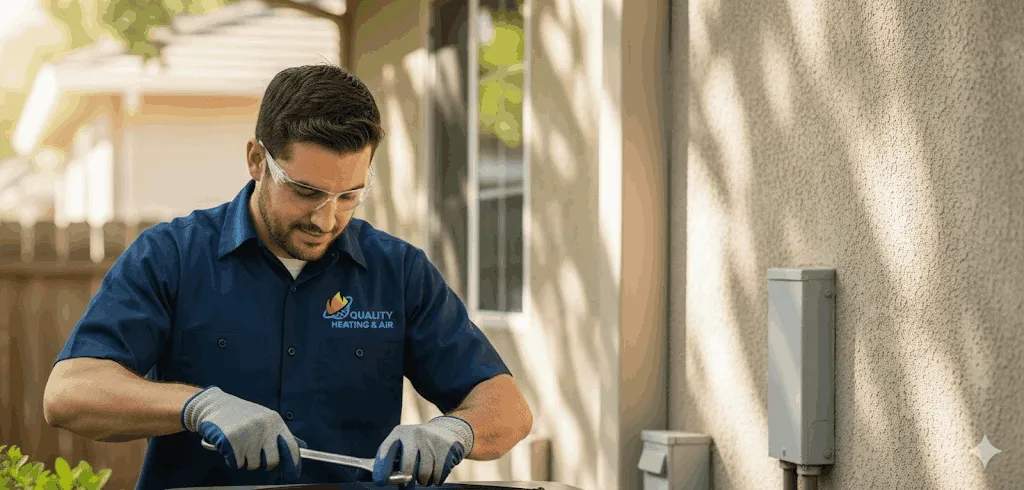
Air Purification Systems in Louisville, CO
Indoor air quality has a direct impact on comfort, sleep, allergy symptoms, and overall health. In Louisville, CO, where seasonal wildfire smoke, high-altitude dryness, and pronounced pollen seasons affect homes, a properly specified air purification system can make a measurable difference.
Common air quality problems in Louisville homes
- Seasonal wildfire smoke and residual PM2.5 in late summer and early fall
- Spring and late-summer pollen and local allergens (grass, ragweed, sagebrush)
- Dry winter air that increases dust resuspension and static-related deposition
- VOCs from renovations, new flooring, paints, and household products
- Pet dander and common household allergens
- Occasional pathogen concerns during cold/flu season or community outbreaks
Types of air purification technologies and what they do
- HEPA filtration (True HEPA): Captures 99.97% of particles 0.3 microns and larger. Best for pollen, dust, smoke particles, and pet dander. Suitable for portable room units and whole-home designs using a dedicated bypass or compatible in-duct housings.
- Activated carbon: Adsorbs gases and odors, including many VOCs and smoke-related smells. Often combined with HEPA for comprehensive particle + gas control. Carbon media life varies with VOC load.
- Ultraviolet (UV) germicidal irradiation: Targets microbes on HVAC coils and in airflow. Most effective as an in-duct or coil-surface solution to reduce biofilm and kill or deactivate bacteria, viruses, and mold spores that contact the UV field.
- Bipolar ionization / needlepoint ionization: Produces charged ions that attach to particles and some gases; can reduce airborne particulates and deactivate certain pathogens. Performance varies by technology and installation; choose certified low-ozone models and verified third-party testing when considering this option.
- Hybrid and electronic filters: Electrostatic precipitators and other electronic systems can remove particles but require proper maintenance and attention to ozone generation and cleaning.
Integration: In-duct whole-home vs. standalone room units
- Whole-home (in-duct) systems: Installed in the return or supply plenum; ideal for consistent filtration across the house when paired with a properly sized furnace/air handler and correct bypass or duct design. Best for controlling general airborne particles and improving overall indoor air quality. For true HEPA-level filtration in-duct, special housings or separate bypass fans are often required to avoid excessive pressure drop on the HVAC blower. UV germicidal lamps are commonly added to coils to prevent microbial growth.
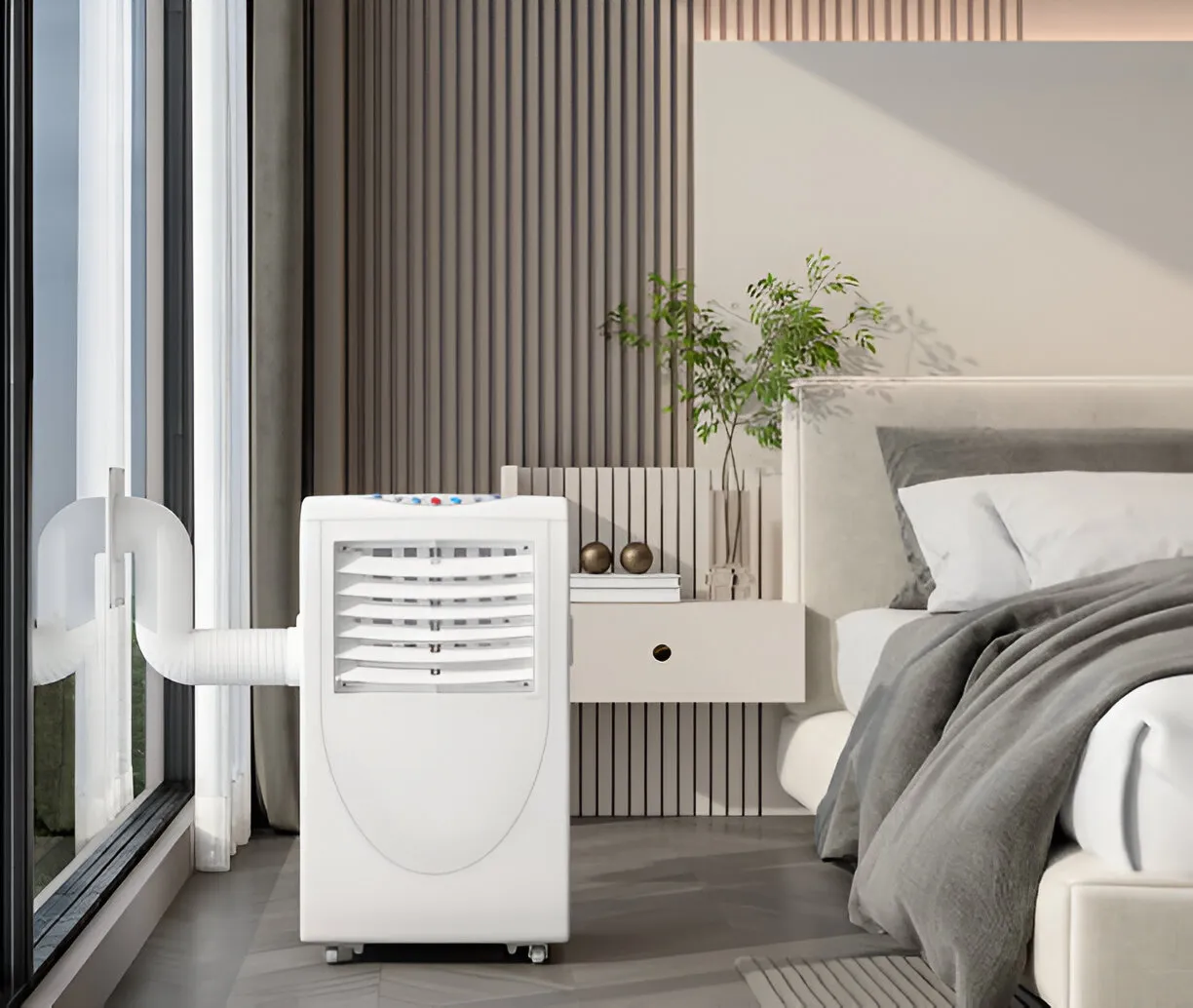
- Standalone room units (portable or wall/ceiling): Effective for targeted spaces such as bedrooms, living rooms, or home offices. Portables fitted with HEPA + activated carbon are highly effective at removing smoke and allergens quickly in a single room. Look for CADR ratings and CARB/UL certifications when selecting a unit.
Sizing and placement guidance
- For whole-home systems, size relative to house square footage, HVAC capacity, and typical occupancy. Consider a unit that provides multiple air changes per hour (ACH) for the whole home during high-risk periods (smoke or active illness).
- For room units, select a purifier with a Clean Air Delivery Rate (CADR) that matches the room’s square footage and desired ACH (2–5 ACH recommended for allergen/smoke control).
- Placement tips: portable units should be placed centrally in the room, away from walls and obstructions, and near pollutant sources when possible (e.g., near a wood stove or entryway after outdoor smoke exposure). In-duct purifiers should be installed where they won’t restrict airflow or negatively impact HVAC pressures.
Expected contaminant removal and outcomes
- Allergens (pollen, dust mite fragments, pet dander): significant reduction with HEPA filtration and frequent cleaning of surfaces and ducts.
- Smoke and PM2.5: HEPA removes fine particulates; activated carbon addresses odors and gaseous components of wildfire smoke. Multiple air changes and tightly sealed home envelope improve results.
- VOCs and odors: activated carbon and larger media beds provide adsorption; in high-VOC scenarios, increased ventilation and source control are also needed.
- Pathogens: UV combined with filtration or high-efficiency HEPA in portable units reduces airborne pathogens; placing purifiers in high-use spaces improves protection during illness waves.
Installation and maintenance procedures
- Installation basics: In-duct units require proper sizing relative to the blower, secure mounting, and attention to pressure drop. UV systems are installed near coils or in accessible locations for bulb replacement. Portable units simply need appropriate placement and unobstructed airflow.
- Filter replacement schedules (typical ranges):
- HEPA filters (portable): 6–12 months depending on usage and pollutant load.
- In-duct pleated/high-efficiency filters (MERV-rated): 3–6 months for MERV 8–13; true in-duct HEPA media may have different schedules per manufacturer.
- Activated carbon cartridges: 3–6 months under heavy smoke/VOC exposure; longer in cleaner conditions.
- UV lamps: replace annually or per manufacturer hours rating to maintain germicidal output.
- Performance checks: Inspect seals and housings, verify fan operation and pressure differentials (for in-duct systems), observe indicator lights, and, when needed, use particle counters or VOC meters for objective verification. Regular duct cleaning and HVAC maintenance support purifier performance.
Recommended brands and warranties
- Leading HVAC and IAQ brands with proven service networks include Carrier, Trane, Lennox, Honeywell, Daikin, and others that offer in-duct solutions, portable models, and warranty support. Select products with third-party certifications (AHAM/CADR for portable units, CARB for ozone compliance, and manufacturer performance data).
- Warranty expectations vary: electronic components and UV lamps often carry 1–3 year parts warranties; some whole-home units and accessories may include longer manufacturer warranties and available extended coverage through installers or manufacturers. Retain documentation and follow manufacturer maintenance instructions to keep warranties valid.
Energy and cost considerations
- Whole-home high-efficiency filters increase pressure drop; this can slightly raise HVAC fan energy use. Mitigation includes upgrading to a variable-speed ECM blower or selecting a purifier with a bypass or auxiliary fan.
- Portable purifiers add modest electrical load—look for ENERGY STAR-rated units where available.
- Ongoing costs include filter and carbon replacement, occasional UV bulb changes, and periodic professional checks. Balance upfront investment with expected health and comfort benefits, especially in smoke-prone years or for households with allergy or respiratory concerns.
Typical outcomes for Louisville households
- Reduced allergy symptoms, fewer nighttime disturbances, and less visible dust accumulation.
- Noticeable reduction in smoke odor and particulate levels during wildfire events when combining HEPA and carbon filtration.
- Improved HVAC performance and coil cleanliness when UV is used to control microbial growth.
- Greater confidence in indoor air safety during cold/flu season when filtration and circulation protocols are in place.
FAQs
- How do I know if I need a whole-home system or a room unit?
Consider the area you want protected, symptoms, and whether you want continuous whole-house coverage. Whole-home systems suit general, continuous needs; portable units excel at focused, rapid pollutant removal. - Can my existing HVAC handle a true HEPA filter?
Not always. True HEPA causes higher pressure drop. Work with a qualified technician to determine compatibility or use a dedicated bypass/filtration cabinet. - Are ionizers safe?
Modern certified systems generally operate with low ozone output, but performance and safety vary by model. Choose systems tested and certified to meet ozone and air-cleaning standards. - How quickly will I see results for smoke or pollen?
Portable HEPA + carbon units can reduce room particulate and odor within hours. Whole-home improvements depend on ACH and home sealing but are evident within a day under normal operation.
What to expect when requesting an on-site assessment and quote in Louisville, CO
When you request an on-site IAQ assessment, the technician will typically:
- Review your symptoms, occupancy, pets, recent renovations, and smoke exposure history.
- Inspect HVAC equipment, duct layout, and return locations to determine compatibility with in-duct solutions.
- Measure home size and identify priority rooms for treatment.
- Perform visual duct and coil inspections and, if requested, use particle counters or VOC meters for baseline data.
- Present tailored options (portable, whole-home in-duct, or mixed approach), outline recommended technologies, maintenance schedules, estimated energy impacts, and warranty information, and provide a written proposal for comparison.
The combination of appropriate technology, correct sizing, proper installation, and regular maintenance delivers the best results for Louisville households coping with pollen, smoke, VOCs, and everyday allergens.
Promotions
Save on seasonal system checks from a local team that treats your home like our own.

Testimonials
Neighbors trust Quality Heating & Air for honest work and fair pricing.
Really happy with my overall experience. They worked neatly, quickly, and taught me MUCH along the way. Gave great advice, helped me with a side concern, that was holding me up; and finished in time for my Dentist visit. I would highly recommend this business, and the price was a pure blessing. GREAT local company and I wasn't bribed for my review 🙃 thx guys!
Bonnie B.
Fred was very knowledgeable, he repaired an old rusted iron pipe that was part of the original house build. I thought the repair would be more costly than what Fred qouted me including parts and labor. Fred made the repair after 5pm, after getting the necessary parts and he was very clean because he put down a cloth on the bathroom floor while working. I would highly recommend Fred for service in the future and I will use Quality's services again in the future.
Chris S.
Fred did a wonderful job diagnosing our air conditioning issue, presenting options available, and installing the new unit we needed. In addition to being a truly nice person, Fred was very knowledgable and professional, and we highly recommend him. Thank you Fred!
James D.
Fred was great and explained our issues we had and fixes we needed in an easy to understand way. Will ask for him next time.
Justin F.
Great service, Fred was able to show up the same day we had a problem and get everything fixed. Very knowledgeable and did not pressure us to spend money we didn’t need to spend. I would recommend to a friend without question.
Kyle F.
Fred Gottschalk performed a miracle with the furnace. He is by far the most knowledgeable HVAC professional I know to date. He knew everything about my furnace and replaced an old blower. The blower is far superior over the OEM one. I did the right thing choosing Fred!
Marty P.
I had an amazing experience with Fred Gottschalk! From the moment he came in to the moment he left he was very personable and made me feel good about my decision to call this company for assistance. I love the fact that they prioritize a personal touch making sure whoever comes to your door will remain your tech every time you call in. One thing he told me that gained my trust is that he will take care of my furnace the way he would want someone to take care of his granny’s. Thank you Quality heating and air, and thank you Fred!
Monica G.
Our technician Fred was excellent. Arrived on time, communicated well and was very knowledgable. Highly recommend and will continue to use these guys.
Nancy S.
Fred was great! He was friendly and informative, answered all of our questions and even got along with our cat (also named Fred). Would highly recommend!
Sadie P.
Highly recommend. Easy scheduling process and our technician Fred was on time, very professional, and knowledgeable on all things in the mechanical world. Took time to educate us and fix the issues we had.
Scott F.
Really happy with my overall experience. They worked neatly, quickly, and taught me MUCH along the way. Gave great advice, helped me with a side concern, that was holding me up; and finished in time for my Dentist visit. I would highly recommend this business, and the price was a pure blessing. GREAT local company and I wasn't bribed for my review 🙃 thx guys!
Bonnie B.
Fred was very knowledgeable, he repaired an old rusted iron pipe that was part of the original house build. I thought the repair would be more costly than what Fred qouted me including parts and labor. Fred made the repair after 5pm, after getting the necessary parts and he was very clean because he put down a cloth on the bathroom floor while working. I would highly recommend Fred for service in the future and I will use Quality's services again in the future.
Chris S.
Fred did a wonderful job diagnosing our air conditioning issue, presenting options available, and installing the new unit we needed. In addition to being a truly nice person, Fred was very knowledgable and professional, and we highly recommend him. Thank you Fred!
James D.
Fred was great and explained our issues we had and fixes we needed in an easy to understand way. Will ask for him next time.
Justin F.
Great service, Fred was able to show up the same day we had a problem and get everything fixed. Very knowledgeable and did not pressure us to spend money we didn’t need to spend. I would recommend to a friend without question.
Kyle F.
Fred Gottschalk performed a miracle with the furnace. He is by far the most knowledgeable HVAC professional I know to date. He knew everything about my furnace and replaced an old blower. The blower is far superior over the OEM one. I did the right thing choosing Fred!
Marty P.
I had an amazing experience with Fred Gottschalk! From the moment he came in to the moment he left he was very personable and made me feel good about my decision to call this company for assistance. I love the fact that they prioritize a personal touch making sure whoever comes to your door will remain your tech every time you call in. One thing he told me that gained my trust is that he will take care of my furnace the way he would want someone to take care of his granny’s. Thank you Quality heating and air, and thank you Fred!
Monica G.
Our technician Fred was excellent. Arrived on time, communicated well and was very knowledgable. Highly recommend and will continue to use these guys.
Nancy S.
Fred was great! He was friendly and informative, answered all of our questions and even got along with our cat (also named Fred). Would highly recommend!
Sadie P.
Highly recommend. Easy scheduling process and our technician Fred was on time, very professional, and knowledgeable on all things in the mechanical world. Took time to educate us and fix the issues we had.
Scott F.
Really happy with my overall experience. They worked neatly, quickly, and taught me MUCH along the way. Gave great advice, helped me with a side concern, that was holding me up; and finished in time for my Dentist visit. I would highly recommend this business, and the price was a pure blessing. GREAT local company and I wasn't bribed for my review 🙃 thx guys!
Bonnie B.
Fred was very knowledgeable, he repaired an old rusted iron pipe that was part of the original house build. I thought the repair would be more costly than what Fred qouted me including parts and labor. Fred made the repair after 5pm, after getting the necessary parts and he was very clean because he put down a cloth on the bathroom floor while working. I would highly recommend Fred for service in the future and I will use Quality's services again in the future.
Chris S.
Fred did a wonderful job diagnosing our air conditioning issue, presenting options available, and installing the new unit we needed. In addition to being a truly nice person, Fred was very knowledgable and professional, and we highly recommend him. Thank you Fred!
James D.
Fred was great and explained our issues we had and fixes we needed in an easy to understand way. Will ask for him next time.
Justin F.
Great service, Fred was able to show up the same day we had a problem and get everything fixed. Very knowledgeable and did not pressure us to spend money we didn’t need to spend. I would recommend to a friend without question.
Kyle F.
Fred Gottschalk performed a miracle with the furnace. He is by far the most knowledgeable HVAC professional I know to date. He knew everything about my furnace and replaced an old blower. The blower is far superior over the OEM one. I did the right thing choosing Fred!
Marty P.
I had an amazing experience with Fred Gottschalk! From the moment he came in to the moment he left he was very personable and made me feel good about my decision to call this company for assistance. I love the fact that they prioritize a personal touch making sure whoever comes to your door will remain your tech every time you call in. One thing he told me that gained my trust is that he will take care of my furnace the way he would want someone to take care of his granny’s. Thank you Quality heating and air, and thank you Fred!
Monica G.
Our technician Fred was excellent. Arrived on time, communicated well and was very knowledgable. Highly recommend and will continue to use these guys.
Nancy S.
Fred was great! He was friendly and informative, answered all of our questions and even got along with our cat (also named Fred). Would highly recommend!
Sadie P.
Highly recommend. Easy scheduling process and our technician Fred was on time, very professional, and knowledgeable on all things in the mechanical world. Took time to educate us and fix the issues we had.
Scott F.
Really happy with my overall experience. They worked neatly, quickly, and taught me MUCH along the way. Gave great advice, helped me with a side concern, that was holding me up; and finished in time for my Dentist visit. I would highly recommend this business, and the price was a pure blessing. GREAT local company and I wasn't bribed for my review 🙃 thx guys!
Bonnie B.
Fred was very knowledgeable, he repaired an old rusted iron pipe that was part of the original house build. I thought the repair would be more costly than what Fred qouted me including parts and labor. Fred made the repair after 5pm, after getting the necessary parts and he was very clean because he put down a cloth on the bathroom floor while working. I would highly recommend Fred for service in the future and I will use Quality's services again in the future.
Chris S.
Fred did a wonderful job diagnosing our air conditioning issue, presenting options available, and installing the new unit we needed. In addition to being a truly nice person, Fred was very knowledgable and professional, and we highly recommend him. Thank you Fred!
James D.
Fred was great and explained our issues we had and fixes we needed in an easy to understand way. Will ask for him next time.
Justin F.
Great service, Fred was able to show up the same day we had a problem and get everything fixed. Very knowledgeable and did not pressure us to spend money we didn’t need to spend. I would recommend to a friend without question.
Kyle F.
Fred Gottschalk performed a miracle with the furnace. He is by far the most knowledgeable HVAC professional I know to date. He knew everything about my furnace and replaced an old blower. The blower is far superior over the OEM one. I did the right thing choosing Fred!
Marty P.
I had an amazing experience with Fred Gottschalk! From the moment he came in to the moment he left he was very personable and made me feel good about my decision to call this company for assistance. I love the fact that they prioritize a personal touch making sure whoever comes to your door will remain your tech every time you call in. One thing he told me that gained my trust is that he will take care of my furnace the way he would want someone to take care of his granny’s. Thank you Quality heating and air, and thank you Fred!
Monica G.
Our technician Fred was excellent. Arrived on time, communicated well and was very knowledgable. Highly recommend and will continue to use these guys.
Nancy S.
Fred was great! He was friendly and informative, answered all of our questions and even got along with our cat (also named Fred). Would highly recommend!
Sadie P.
Highly recommend. Easy scheduling process and our technician Fred was on time, very professional, and knowledgeable on all things in the mechanical world. Took time to educate us and fix the issues we had.
Scott F.