
Air Purification Systems in Longmont, CO
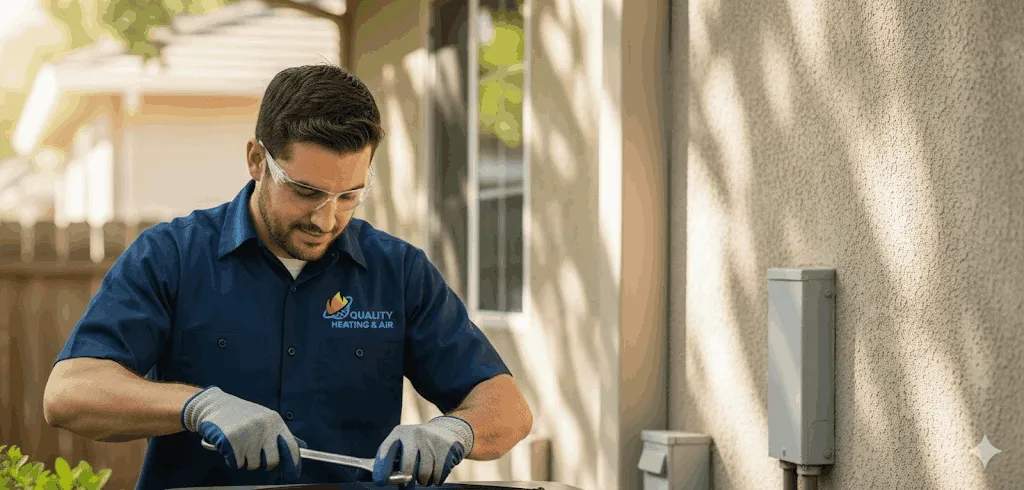
Air Purification Systems in Longmont, CO
Indoor air quality matters in Longmont, CO. Between spring pollen, occasional wildfire smoke drifting over from the west, and everyday indoor contaminants like pet dander, volatile organic compounds (VOCs), and dust, many homeowners and businesses see noticeable symptoms: more allergies, stale indoor odors, or reduced comfort for sensitive occupants. An appropriately selected and installed air purification system in Longmont, CO can significantly reduce airborne particles, odors, and pathogens—improving comfort, health, and overall indoor environmental quality.
Common indoor air quality problems in Longmont, CO
- Seasonal pollen spikes from grasses and trees that aggravate allergies.
- Fine particulate matter (PM2.5) during wildfire events that penetrates homes.
- Dust and pet dander in older or multi-occupancy buildings.
- Household VOCs from new finishes, cleaning products, and stored chemicals.
- Mold spores in damp or poorly ventilated spaces, particularly in basements and bathrooms.Understanding which of these affects your property guides the right system choice.
Types of air purification technologies (what they do and when to choose them)
- HEPA filtration: High Efficiency Particulate Air filters remove 99.97% of particles 0.3 microns and larger. Best for allergies, dust, smoke, and pet dander. Look for true HEPA (H13/H14 for higher performance).
- Activated carbon: Adsorbs odors, VOCs, and gas-phase contaminants. Often paired with HEPA to provide particle + odor removal.
- UV-C germicidal lamps: Inactivate bacteria, viruses, and mold spores when installed properly within HVAC or in standalone units. UV-C is effective as a supplement to filtration, not a replacement.
- Electronic/ionizing filters and bipolar ionization: Use charged particles to capture or deactivate contaminants. These can be effective but require careful evaluation for byproducts (some older ionizers create ozone). Choose systems certified for low-ozone emissions.
- Photocatalytic oxidation (PCO): Breaks down VOCs using UV light and a catalyst. Can reduce some odors and gases but varies widely by product.Each technology has strengths and limitations. Often a combination (HEPA + activated carbon + UV-C) delivers the broadest protection.
Whole-home integration vs standalone units
- Whole-home (HVAC-integrated) systems: Installed in the return plenum of your furnace or air handler to treat air circulated through existing ductwork. Pros: continuous coverage for the entire living space, hidden installation, lower ongoing labor. Cons: effectiveness depends on HVAC runtime and duct design.
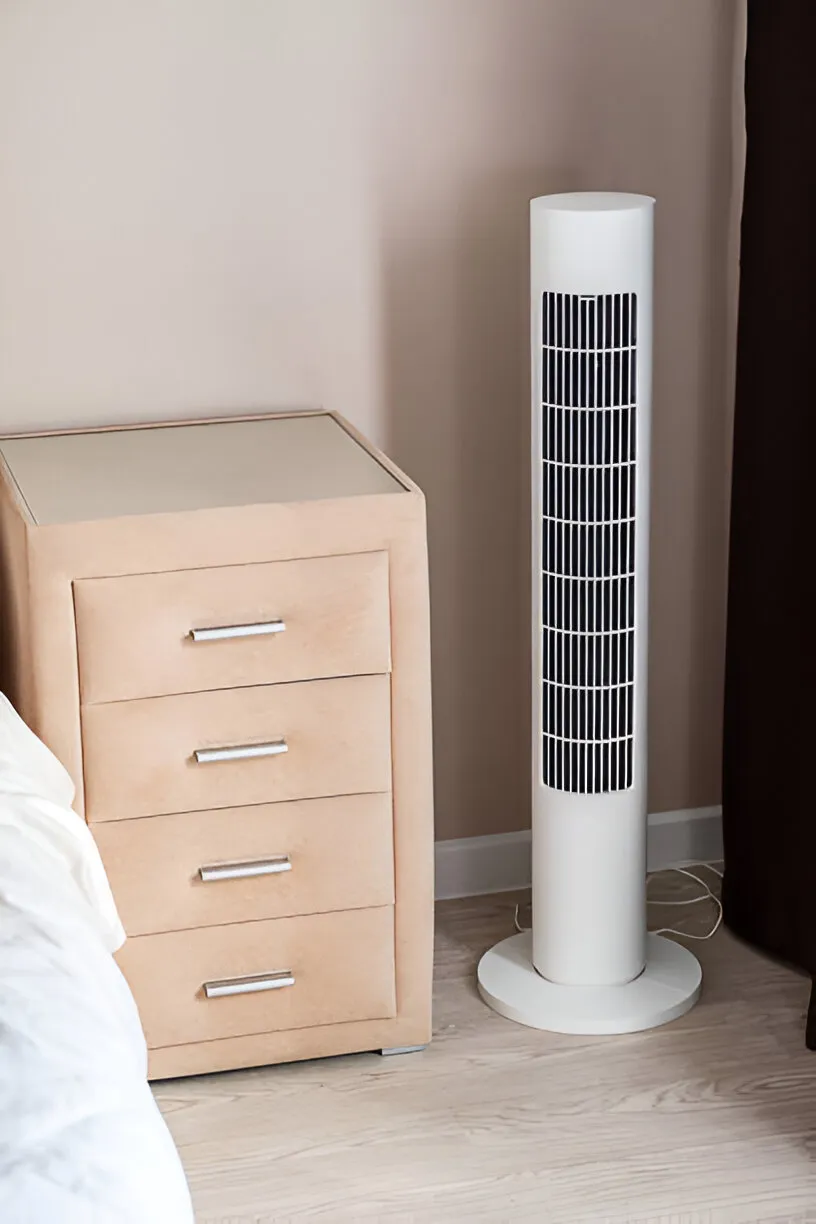
- Standalone/portable purifiers: Ideal for focused treatment of bedrooms, offices, or commercial spaces. Benefits include placement flexibility and CADR-rated performance for a single room. For businesses, multiple units can be deployed strategically.Selecting between these depends on building layout, occupancy patterns, and specific contaminant concerns.
How to size and select the right solution
Key factors for proper selection:
- Square footage and ceiling height (determine treated volume).
- Desired air changes per hour (ACH): higher ACH for allergy sufferers or during smoke events.
- Main concerns (particles vs odors vs microbes).
- Occupancy and activities (children, pets, smokers, commercial processes).
- Existing HVAC runtime and duct condition for whole-home systems.Useful performance metrics: CADR (Clean Air Delivery Rate), MERV or HEPA rating, and manufacturer specs for ACH. A professional assessment will match unit capacity to your Longmont home or business needs.
Typical installation process in Longmont homes and businesses
- Initial assessment: inspect HVAC system, ductwork, and indoor pollutant sources.
- System recommendation: select the right combination of filtration and supplemental technologies.
- Installation: mount whole-home units in the return plenum or place/cable-port standalone units; install UV-C lamps where applicable with ballast and safety interlocks.
- Commissioning: verify airflows, controls, and that filtration meets specified CADR/MERV/HEPA performance.
- Owner orientation: explain maintenance, filter replacement, and optimal operation during pollen season or wildfire smoke events.Installations are designed to minimize disruption and preserve HVAC efficiency.
Maintenance and filter replacement schedules
- HEPA filters (portable units): inspect monthly; replace typically every 6–12 months depending on usage and local air quality.
- HVAC-rated filters (MERV 8–16 / HEPA-compatible housings): check every 1–3 months; higher MERV filters may require more frequent inspection to avoid airflow restriction.
- Activated carbon cartridges: replace every 3–12 months based on odors and VOC levels.
- UV-C lamps: replace annually or per manufacturer recommendations to maintain germicidal output.
- Electronic/ionizing systems: require periodic cleaning of collector plates or cells.Regular maintenance ensures sustained performance and avoids strain on heating and cooling equipment.
Expected improvements and performance metrics
- Reduced airborne allergens and dust load (observable within days to weeks).
- Lower indoor PM2.5 levels during smoke events with high-efficiency filtration.
- Noticeable odor reduction when carbon adsorption is included.
- Decreased microbial counts with properly sized UV-C systems and good filtration.Performance is commonly measured using CADR, particle counters, and MERV/HEPA ratings. For safety and effectiveness, choose equipment with recognized certifications (UL safety listings, CARB compliance for low ozone, AHAM verification for CADR).
Brands, warranties, and product considerations
Major HVAC brands and reputable IAQ manufacturers offer whole-home solutions that integrate with existing systems. When evaluating products, consider:
- Verified filter performance (true HEPA vs “HEPA-type”).
- Warranty coverage on parts and labor.
- Availability of replacement filters and components locally.
- Certifications such as UL, AHAM, and CARB compliance for ionizing devices.Warranty terms, service access, and replacement-part availability often influence long-term satisfaction more than initial equipment styling.
Pricing and financing overview
Costs vary by technology, system size, and whether integration with existing HVAC is required. Pricing is influenced by equipment quality, installation complexity, and any necessary ductwork improvements. Flexible financing options and seasonal rebates are commonly available through lenders and local utilities, helping spread investment over time while improving home health and comfort.
Longmont-specific considerations and closing guidance
Longmont residents should prioritize filtration capable of handling seasonal pollen and intermittent wildfire smoke while also addressing indoor VOCs common in newer homes. Homes at higher elevation with forced-air systems typically respond well to whole-home filtration paired with targeted portable units for bedrooms or high-use spaces. Regular maintenance and seasonal adjustments—running purifiers at higher fan speeds during smoke or pollen spikes—deliver the best outcomes.
Investing in the right air purification system in Longmont, CO yields measurable reductions in allergens, odors, and particulate pollution, improving daily comfort and indoor health for families and businesses. Regular assessment and upkeep keep systems performing at peak efficiency for years to come.
Promotions
Save on seasonal system checks from a local team that treats your home like our own.

Testimonials
Neighbors trust Quality Heating & Air for honest work and fair pricing.