
Air Purification Systems in Lafayette, CO
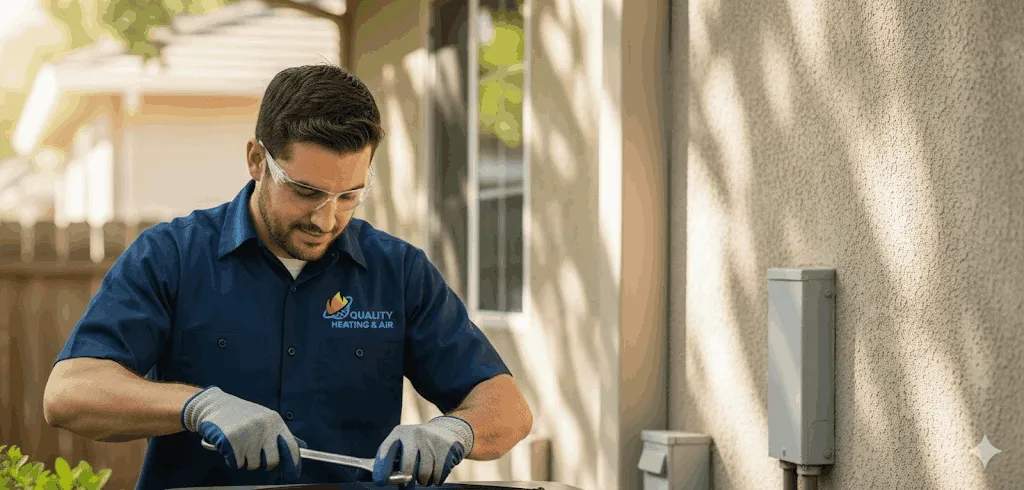
Air Purification Systems in Lafayette, CO
Improving indoor air quality is a practical priority for Lafayette homeowners. Between seasonal pollen, Front Range wildfire smoke, winter temperature inversions that trap pollutants, and the dry, dusty conditions common at our elevation, many households see noticeable benefits from an air purification system.
Why Lafayette homes benefit from air purification
- Wildfire smoke and regional haze can drive fine particulate levels up during late summer and early fall.
- Spring and summer bring pollen from grasses and trees across Boulder County, increasing allergic reactions.
- Winter temperature inversions frequently trap vehicle and wood-burning emissions near the ground.
- Low humidity and higher elevation contribute to more dust and dry indoor air, which carries allergens and irritants.
Given those local factors, a properly chosen air purifier can reduce airborne particles, odors, VOCs, and microbes, improving comfort and reducing allergy and respiratory triggers.
Common air quality problems in Lafayette, CO
- Seasonal pollen and mold spores causing allergy symptoms
- Fine particulate matter (PM2.5) from wildfire smoke and pollution
- Household odors and volatile organic compounds (VOCs) from cleaning products or paints
- Dust and pet dander accumulating in living spaces
- Occasional microbial concerns in homes with high humidity or inadequate ventilation
System types: whole-home vs portable
- Whole-home (in-duct) systems: Installed inside the HVAC return or air handler to treat air for the entire house. Best for comprehensive, continuous filtration and minimal user interaction.
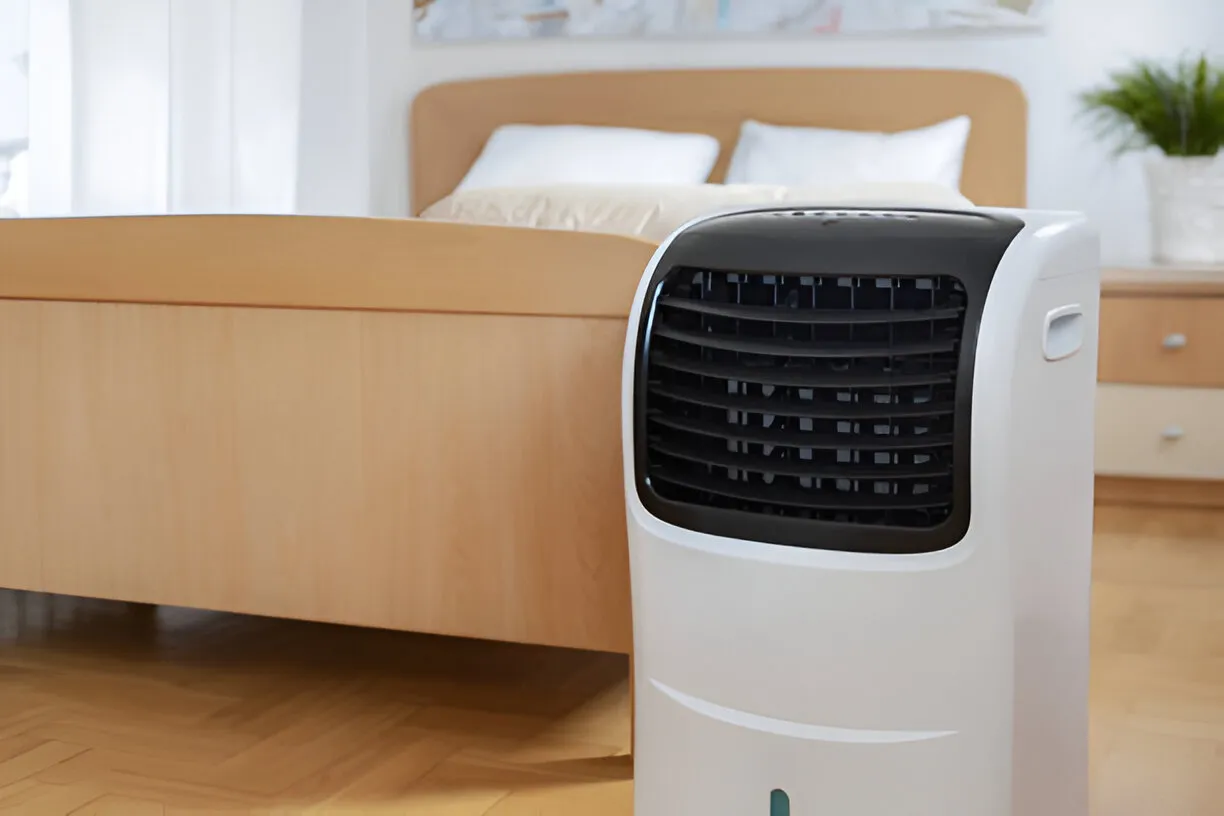
- Standalone portable units: Room-focused units with HEPA and/or carbon filtration. Good for supplemental use in bedrooms, living rooms, or where targeted treatment is needed.
- Hybrid approaches: In-duct filtration for baseline control plus portable units in high-use rooms during high-risk periods (smoke events, illness in the home).
Air purification technologies explained
- HEPA filtration: High-efficiency particulate air (HEPA) filters capture 99.97% of particles down to 0.3 microns. Excellent for allergens, dust, pet dander, and smoke particles when sized and installed correctly.
- Activated carbon: Adsorbs odors and many VOCs and gases. Often paired with HEPA filters to address smells and chemical pollutants.
- UV germicidal irradiation: UV-C lamps installed in the air handler can inactivate many bacteria, viruses, and mold spores when used with proper exposure time and airflow. Best used as a complementary technology, not a sole solution for particles or VOCs.
- Advanced ionization (bipolar/needlepoint): Generates charged ions to agglomerate small particles for easier filtration. Performance varies by technology; some systems can produce ozone as a byproduct, so choose certified low-ozone designs and review independent test data.
- Electronic/ESP cleaners: Electrostatic precipitators remove particles electrically; they can be efficient but often require regular cleaning and attention to ozone emissions.
Integrating with your existing HVAC
- Return- or air-handler-mounted units: Whole-home purifiers are typically mounted in the HVAC return or at the air handler, treating air circulated by the furnace/AC.
- Bypass or duct-mounted filters: Larger homes or older duct systems may require bypass housings or multiple units to achieve adequate air changes.
- Controls and staging: Modern systems can be wired to operate with the blower, run continuously at low speed for steady filtration, and be staged for higher filtration during smoke events.
- Compatibility check: A technician should assess ductwork, blower capacity, and static pressure to ensure the chosen purifier doesn’t overload the system or reduce airflow.
Sizing and selecting the right solution
- House size and layout: For whole-home systems, match the unit capacity to your HVAC airflow (CFM). For portables, use Clean Air Delivery Rate (CADR) and room square footage to pick effective models.
- Air changes per hour (ACH): Aim for at least 4–6 ACH for homes with allergy or smoke concerns; higher ACH provides faster reduction of airborne contaminants.
- Health needs: Households with asthma, severe allergies, infants, or immunocompromised members may need HEPA-rated whole-home systems combined with carbon and UV components.
- Noise, maintenance, and operating cost: Consider long-term filter costs, energy use, and noise levels when choosing between in-duct and portable solutions.
Typical installation process
- Assessment: Inspect existing HVAC, measure returns, and determine optimal mounting location and system size.
- Equipment selection: Choose filtration and supplemental technologies based on needs (HEPA + carbon for pollen and smoke; UV if microbial control is a priority).
- Installation: Mount in-duct, wire into the blower controls, seal ducts, and commission the system to verify airflow and performance.
- Testing and education: Verify static pressure, explain filter access, and demonstrate any user controls or monitoring features.
Routine maintenance and filter replacement
- Pre-filters: Replace or clean every 1–3 months depending on dust load.
- HEPA filters: Replace per manufacturer guidance (often 12–24 months) or sooner in high-smoke conditions.
- Activated carbon cartridges: Replace every 6–12 months for odor and VOC control; heavy use may require more frequent changes.
- UV lamps: Replace annually or per lamp life specifications; effectiveness diminishes over time even if the lamp still lights.
- Ionization and electronic devices: Follow manufacturer cleaning schedules and monitor air quality; some components require professional servicing.
Regular maintenance keeps performance high, prevents strain on your HVAC, and preserves manufacturer warranties.
Expected performance and health benefits
- Particle reduction: Properly sized HEPA systems dramatically reduce airborne allergens, dust, pet dander, and many smoke particles, improving breathing comfort for sensitive occupants.
- VOC and odor control: Carbon filtration reduces odors and many common VOCs from household products, renovation materials, and smoke.
- Microbial mitigation: UV and proper filtration reduce viable surface and airborne microbial loads when applied correctly.
- Comfort and sleep: Cleaner bedrooms and living spaces often translate to better sleep and fewer allergy symptoms.
Real-world performance depends on sizing, installation quality, maintenance, and external pollution levels (for example, heavy wildfire smoke may require higher filtration rates and more frequent filter changes).
Recommended brands and warranty considerations
Trusted HVAC and IAQ brands commonly used in residential installations include Carrier, Trane, Honeywell, Lennox, Daikin, and other reputable manufacturers that offer integrated whole-home air cleaners as well as standalone units. When evaluating options:
- Review manufacturer warranties for filters, electronic components, and UV lamps.
- Confirm warranty coverage for installation work and any optional extended service plans.
- Choose products with independent testing or third-party certifications for HEPA performance and low ozone output for ionizing technologies.
Final considerations for Lafayette homeowners
Selecting the right air purification system for your Lafayette home depends on local seasonal challenges, the size and configuration of your home, and specific household health needs. Whole-home in-duct solutions provide unobtrusive, continuous protection across the house, while portable units offer flexible, room-by-room treatment during high-risk periods like wildfire smoke events. Prioritize HEPA for particulate control, pair with activated carbon for odors and VOCs, and consider UV or proven low-ozone ionization only as complementary steps. Regular maintenance and professional system sizing ensure the best outcomes for indoor air quality across Lafayette’s unique Front Range environment.
Promotions
Save on seasonal system checks from a local team that treats your home like our own.

Testimonials
Neighbors trust Quality Heating & Air for honest work and fair pricing.