
Air Purification Systems in Golden, CO
Air Purification Systems in Golden, CO
Living in Golden means enjoying mountain views and plenty of outdoor activity, but it also brings unique indoor air challenges. Wildfire smoke in summer, wood stove and fireplace use in winter, seasonal pollen, and dust from dry, windy conditions can all reduce indoor air quality. An appropriately selected and installed air purification system can protect respiratory health, reduce allergens, and improve comfort year-round. Below is a practical, decision-focused guide to HEPA, UV, and advanced filtration options—how they work, how they integrate with existing HVAC equipment, sizing and performance considerations, installation and maintenance expectations, expected costs, and local rebate/financing pathways relevant to Golden homeowners.
Why install an air purification system in Golden, CO
- Wildfire smoke particles and seasonal pollen are common indoor contaminants here.
- Dry conditions increase dust and particulate intrusion.
- Homes with fireplaces, wood stoves, or nearby wildfire smoke benefit from stronger filtration.
- Better indoor air helps allergy and asthma management and can reduce sick days for families.
Types of air purification technologies (what each does)
- HEPA filtration: Mechanical filters that capture 99.97% of particles ≥0.3 microns. Excellent for smoke, pollen, dust, pet dander, and most airborne allergens.
- Activated carbon: Adsorbs odors, volatile organic compounds (VOCs), and smoke gases that HEPA cannot remove.
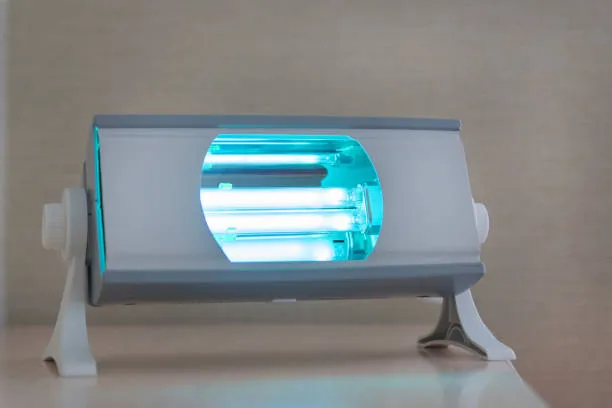
- UV germicidal irradiation (UVGI): Uses UV-C light to inactivate bacteria, viruses, and mold spores when air passes through the unit. UV complements filtration but does not remove particles.
- Electronic and ionizing purifiers: Charge particles to remove them from the air or surfaces. Effective in some cases but can produce ozone as a byproduct—choose certified low-ozone models.
- Advanced combined systems: Integrated solutions pair HEPA, activated carbon, and UVGI to address particles, gases, and biological contaminants simultaneously.
Whole-home (in-duct) vs portable units: pros and cons
- Whole-home systems (in-duct or furnace-mounted)
- Pros: Treat all conditioned air for consistent whole-house protection; hidden and low-maintenance once installed; pairs with existing HVAC airflow.
- Cons: Installation complexity and initial cost; some systems add pressure drop affecting fan operation if not sized correctly.
- Portable/room units
- Pros: Lower up-front cost; rapid deployment in high-use rooms; good CADR for specific spaces.
- Cons: Limited coverage; multiple units needed for whole-house protection; ongoing placement and noise considerations.
Integration with existing HVAC equipment
- In-duct purifiers are typically installed at the return plenum, air handler, or on the furnace cabinet for maximum whole-home effectiveness.
- Key considerations: airflow (CFM), static pressure, and compatibility with existing blower capacity. High-efficiency HEPA-level filtration can increase static pressure and may require blower adjustments or specific low-resistance media filters.
- UV lamps install near coils/air handler to reduce microbial growth on evaporator coils and duct surfaces; they require electrical connection and annual replacement.
- Controls can be tied to thermostat or dedicated IAQ controls for run-time scheduling, ensuring continuous protection without interfering with HVAC cycling.
Performance and sizing guidance (simple rules to follow)
- For portable units, use CADR (clean air delivery rate) and room volume. Choose a CADR that supports at least 4–6 air changes per hour (ACH) for bedrooms and living rooms where occupants spend most time.
- For whole-home systems, base sizing on system CFM and the home’s volume. A typical rule: aim for 4–6 ACH for optimal filtration of fine particulates in high-risk seasons like wildfire events.
- Confirm filter MERV ratings: MERV 13+ filters capture fine particles well; true HEPA is preferable for maximum smoke and allergen capture but may require HVAC compatibility checks.
- Professional airflow testing and static pressure measurement ensure the system performs without overloading the blower.
Installation process (what to expect)
- Home assessment: Review existing HVAC, duct layout, and indoor air concerns (smoke, allergies, odors).
- System selection: Choose whole-home vs portable and the right combination of HEPA, carbon, UV based on needs.
- Site preparation: Minor ductwork modifications, mounting of in-duct units or air handler attachments, and electrical hookups for active components.
- Commissioning: Verify airflow, pressure drop, and control integration; run a performance check and explain maintenance needs.
Routine maintenance and lifecycle items
- Replace media or HEPA filters every 6–12 months depending on load (wildfire season and heavy-use homes may need more frequent changes).
- Activated carbon filters may need replacement every 6–12 months for odor and VOC control.
- UV lamps typically require annual replacement and periodic cleaning of quartz sleeves.
- Pre-filters or washable filters should be inspected monthly and cleaned or replaced as needed.
- Keep documentation of filter types and replacement dates to preserve warranties.
Health and energy considerations
- Health benefits: Reduced exposure to smoke, pollen, mold spores, pet dander, and many pathogens; measurable relief for allergy and asthma sufferers.
- Energy trade-offs: High-efficiency filtration can increase fan energy use due to added pressure drop. Choosing low-resistance filter media, proper sizing, and smarter control strategies minimizes energy impact while maintaining air quality.
- Properly integrated systems reduce last-stage HVAC stress by keeping coils and ducts cleaner, which can help maintain system efficiency.
Supported brands and warranty information
- Common whole-home and component brands often used in Golden-area installations include Carrier, Trane, Lennox, Daikin, Honeywell, Aprilaire, REME HALO (RGF), and Blueair/ IQAir for portable solutions.
- Manufacturer warranties vary: air purifiers and controls often have 1–5 year limited warranties; some premium components (certain air cleaner housings or UV modules) may carry longer coverage. Labor and installation warranties are frequently offered separately by the installer and commonly range from 1–2 years.
- Verify warranty terms for filter media, UV lamps, and electronic components when comparing options.
Cost estimates and rebate/financing options
- Portable HEPA units: $100 to $1,000+ depending on CADR and features.
- Whole-home in-duct systems: Equipment plus installation commonly ranges from $800 to $5,000+ depending on technology (simple media filters on an HVAC cabinet at the lower end; true HEPA, activated carbon banks, or advanced combined systems toward the higher end).
- UVGI add-ons: Typically $200 to $800 plus installation.
- Extras: Duct modifications, blower upgrades, or advanced controls add to costs.
- Local incentives: Some utility and state programs in Colorado offer rebates or incentives for energy-efficient ventilation and IAQ equipment. Xcel Energy and state energy-efficiency programs occasionally provide rebates; financing options are widely available through local HVAC providers or third-party lenders for qualified projects.
Final considerations
Choosing the right air purification solution for Golden homes combines understanding local contaminants, realistic coverage needs, HVAC compatibility, and an expected maintenance plan. Properly matched and installed HEPA, activated carbon, and UV components can dramatically improve indoor air quality during wildfire season, allergy peaks, and year-round living. For accurate sizing and compatibility with your existing HVAC system, professional assessment and airflow testing ensure effective, energy-conscious performance that protects both your family’s health and your equipment.
Promotions
Save on seasonal system checks from a local team that treats your home like our own.

Testimonials
Neighbors trust Quality Heating & Air for honest work and fair pricing.