
Air Purification Systems in Commerce City, CO
Air Purification Systems in Commerce City, CO
Clean indoor air is essential for comfort, health, and home longevity—especially in Commerce City, CO, where seasonal wildfire smoke, spring pollen, winter dust, and nearby industrial emissions can raise indoor pollutant levels. Installing a professionally selected and installed air purification system reduces allergens, airborne pollutants, odors, and pathogens so your home’s air is consistently healthier. Below is a focused, decision-stage guide to the types of systems available, how to choose and size equipment for Commerce City homes, what professional installation and maintenance look like, and the performance and warranty standards to expect.
Why Commerce City homes benefit from air purification
- Seasonal wildfire smoke from western Colorado and regional fires can push fine particulate matter (PM2.5) into homes, creating respiratory risks.
- Spring and summer pollen spikes combined with local grasses and trees increase allergy symptoms.
- Commerce City’s industrial corridors and traffic corridors contribute to odors, VOCs, and urban particulates.
- Homes with pets, open garages, or older HVAC systems often trap odors and contaminants without adequate filtration.
Addressing these factors with the right system improves daily comfort, reduces allergy and asthma triggers, and helps protect sensitive household members.
Common air quality problems in Commerce City
- Fine particulate matter (PM2.5) from wildfire smoke and vehicle exhaust
- Pollen and seasonal allergens
- Household odors and VOCs from paints, cleaners, and off-gassing materials
- Mold spores in basements or after wet seasons
- Bacteria and viruses circulating in shared living spaces
Air purification technologies offered
Below are widely used technologies, what they do, and practical considerations for homeowners.
- True HEPA filtration
- Captures 99.97 percent of particles 0.3 microns and larger.
- Effective against pollen, dust, pet dander, and many smoke particles.
- Ideal for allergy and asthma mitigation. Often used in whole-home filter banks or portable purifiers.
- Activated carbon
- Adsorbs odors, VOCs, and gaseous pollutants that mechanical filters cannot.
- Best paired with HEPA for comprehensive particulate and odor control.
- UV-C sterilization
- In-duct UV systems reduce viable bacteria, viruses, and mold on coil and airflow surfaces.
- Works best as a complement to filtration, not a standalone solution for particulates.
- Electronic filtration and ionization
- Uses electrostatic charge to attract particles. Some designs can produce trace ozone.
- Choose systems certified for low-ozone output (CARB/UL listed) when ozone is a concern.
- Standalone (portable) vs whole-home systems
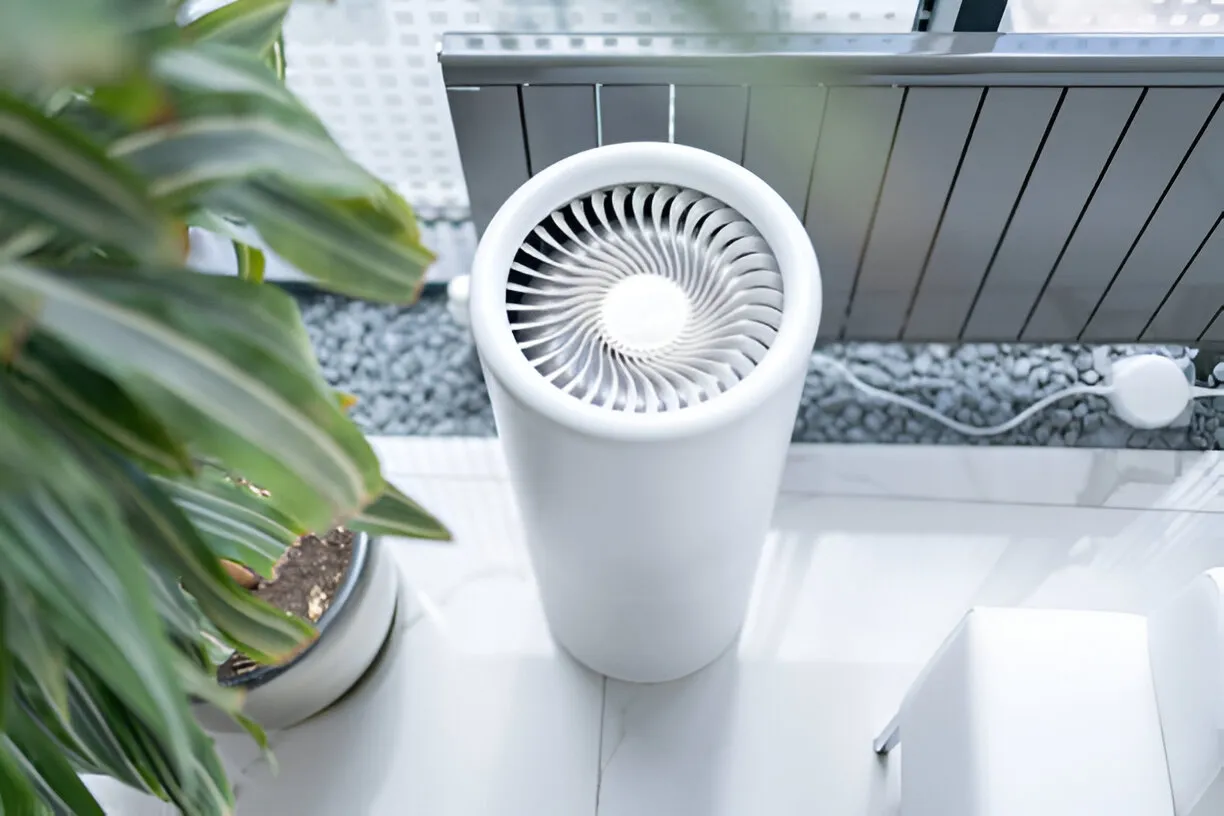
- Portable purifiers treat a single room and are good for targeted relief (bedrooms, living rooms).
- Whole-home systems integrate with your HVAC to protect every room and manage airflow consistently.
Choosing and sizing the right system for your home
- Calculate required capacity by room or by whole-home air changes per hour (ACH). For wildfire smoke and high-pollutant scenarios, aim for higher ACH and higher Clean Air Delivery Rate (CADR).
- For whole-home solutions, match purifier capacity with furnace/air handler flow rates and duct sizing. A properly sized in-duct HEPA or media filter is essential to avoid reduced HVAC performance.
- Portable units: select CADR appropriate to the room square footage and the contaminant type (smoke, dust, pollen).
- Consider occupant sensitivity: families with young children, seniors, or allergy sufferers benefit from higher-grade HEPA and supplemental carbon adsorption.
Integration with existing HVAC equipment and professional installation
- Professional installers evaluate your current system, ductwork condition, and airflow to recommend compatible whole-home units or standalone solutions.
- Typical in-duct installations involve:
- Pre-installation inspection of air handler capacity and static pressure limits
- Mounting filter cabinets, UV lamps, or electronic units in accessible locations
- Ensuring controls and bypass dampers maintain airflow and efficiency
- Portable units require minimal setup but should be located and sized properly for best circulation.
- Installation by certified technicians preserves HVAC warranties and ensures safety (especially for UV and electronic systems).
Maintenance and filter replacement schedules
- HEPA filters: change or inspect every 6 to 12 months for whole-home media; portable unit pre-filters more often (30 to 90 days) depending on use.
- Activated carbon filters: replace every 3 to 12 months depending on exposure to odors and VOCs.
- UV lamps: typically replaced annually to maintain germicidal output.
- Electronic collectors: clean per manufacturer schedule, often every 3 to 6 months.
- Annual IAQ inspection is recommended to verify system performance and replace worn components before high-pollution seasons.
Performance testing and certification standards
- Look for independent performance metrics: CADR ratings for portable units and ANSI/AHAM verification where applicable.
- HEPA classifications (True HEPA, H13/H14) indicate capture efficiency; H13 or H14 are superior for medical or high-risk environments.
- UV and electronic devices should carry UL listing or third-party validation and, for low-ozone claims, CARB compliance where applicable.
- Post-installation performance testing can include particle counts, ACH verification, and humidity checks to confirm the system meets expectations.
Brands, warranties, and service expectations
- Leading HVAC and IAQ brands (the same manufacturers commonly used for HVAC equipment) offer whole-home in-duct systems and standalone solutions with varying warranty lengths.
- Expect manufacturer warranties on core components and separate labor/service warranties from installers.
- Ask for documentation that outlines coverage periods for filters, UV lamps, and electronic cells. Confirm availability of replacement parts and routine service packages.
Pricing and financing options
- System cost varies by technology, capacity, and complexity of integration with existing HVAC equipment.
- Financing options often include monthly payment plans through third-party lenders, equipment financing programs, or seasonal promotions from manufacturers.
- Consider total cost of ownership: filter replacement frequency, energy impact, and expected lifespan when comparing options.
Typical process to request a quote or schedule a consultation
- Initial inquiry and intake about home size, existing HVAC, and IAQ concerns.
- On-site assessment: airflow measurement, duct inspection, and pollutant risk evaluation.
- Customized proposal outlining recommended technology, sizing, estimated installation scope, and maintenance plan.
- Scheduling of professional installation and post-installation performance verification.
Long-term benefits and homeowner maintenance tips
- Consistent reduction in allergens, smoke particles, odors, and microbial load improves occupant health and indoor comfort.
- Properly selected systems extend HVAC life by reducing dust load on coils and components.
- Simple homeowner practices: run systems during high-pollution events, change pre-filters regularly, and maintain humidity between 30 and 50 percent to limit mold growth.
Choosing the right air purification solution for a Commerce City home means accounting for regional air quality factors—wildfire smoke, seasonal pollen, and urban particulates—while matching system capacity to your living space and HVAC equipment. A professional assessment ensures optimal technology selection, safe integration, consistent performance, and a practical maintenance plan that keeps indoor air cleaner year-round.
Promotions
Save on seasonal system checks from a local team that treats your home like our own.

Testimonials
Neighbors trust Quality Heating & Air for honest work and fair pricing.