
Air Purification Systems in Brighton, CO
Air Purification Systems in Brighton, CO
Breathe cleaner air at home with an air purification system tailored to Brighton, CO conditions. With Front Range pollen seasons, periodic wildfire smoke, and winter temperature inversions that can trap pollutants, homeowners here benefit from targeted indoor air quality (IAQ) upgrades.
Common indoor air problems in Brighton, CO homes
- Seasonal pollen and allergen loads from grasses, cottonwoods, and weeds during spring and early summer.
- Wildfire smoke and fine particulate intrusion during regional fire events, raising PM2.5 levels.
- Household VOCs from cleaning products, paints, and off-gassing furniture, amplified in tightly sealed, energy-efficient homes.
- Mold and humidity-related concerns in basements or poorly ventilated areas during humid summer periods.
- Everyday dust, pet dander, and viral/bacterial particles circulated through central HVAC systems.
Air purification technologies explained
- HEPA filtration (High Efficiency Particulate Air): Captures at least 99.97% of particles 0.3 microns in size. HEPA is the best option for removing pollen, dust, pet dander, and most smoke particulates. Typically used in portable units or in-duct whole‑home filters with a compatible housing and blower capacity.
- Activated carbon: Adsorbs gases, odors, and many VOCs that mechanical filters do not trap. Essential for homes concerned about smoke smell, cooking odors, and chemical vapors. Often combined with HEPA in hybrid units.
- Ultraviolet (UV) germicidal irradiation: Targets bacteria, viruses, and mold spores by damaging their DNA/RNA. UV is most effective when used as an adjunct to filtration, particularly in HVAC coils and drain pans to reduce microbial growth.
- Bipolar ionization / needlepoint ionization: Produces charged particles that can cause airborne contaminants to cluster and fall out of the air. Performance varies by manufacturer and independent testing; it can reduce certain particles and odors when applied correctly but should be chosen carefully and paired with proven filtration.
- Whole‑home (in-duct) vs portable units:
- Whole‑home systems integrate with your existing central HVAC to treat the air circulated throughout the house. Best for consistent, whole-house coverage and convenience.
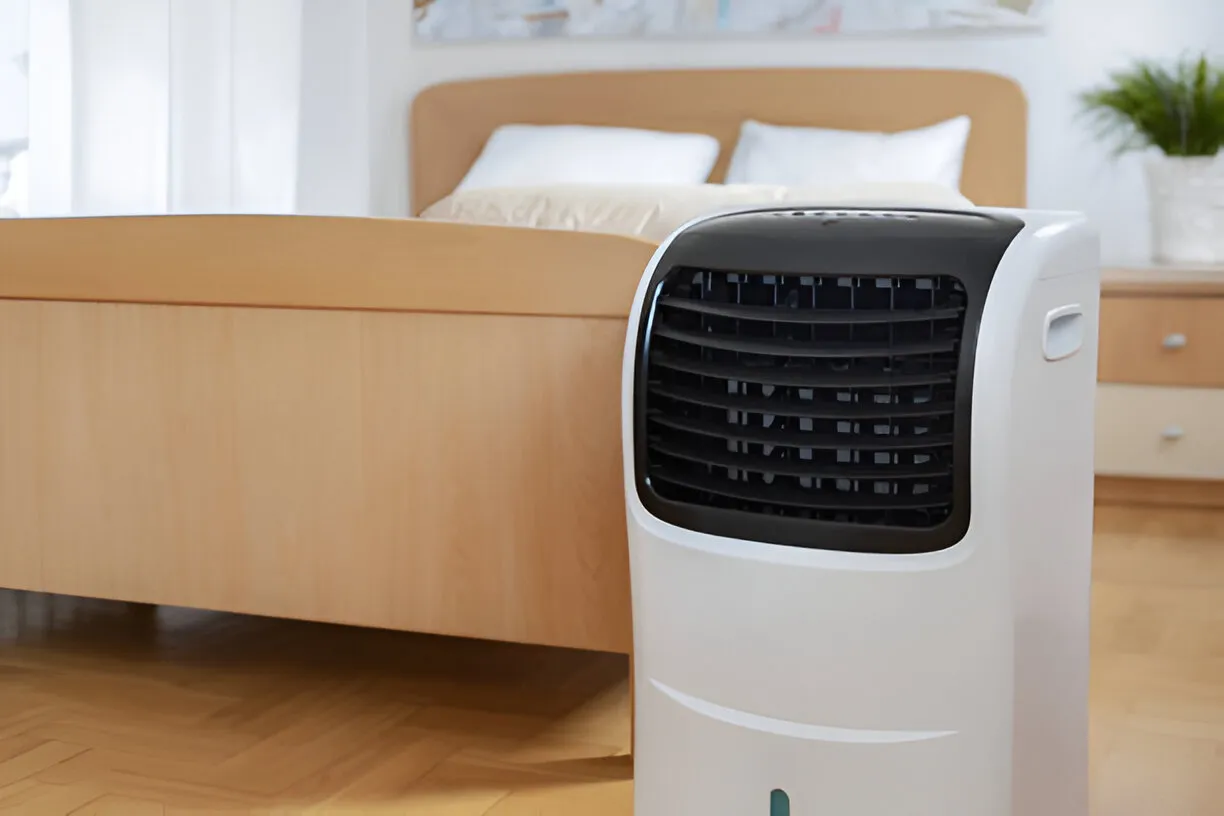
- Portable or room-specific units are effective for targeted spaces (bedrooms, home offices) and offer flexibility without ductwork modifications.
Sizing and selection criteria for Brighton homes
- CADR (Clean Air Delivery Rate): Look for CADR values that match the room size. For whole‑home systems, evaluate the system’s capacity to achieve desired air changes per hour (ACH) across the home.
- ACH target: 4–6 ACH is commonly recommended for allergy/smoke mitigation; higher ACH may be desired for homes with severe sensitivities.
- Filtration efficiency and MERV rating: Higher MERV ratings (13–16) trap smaller particles but increase pressure drop. True HEPA is preferable for particulate removal when the HVAC blower can handle the additional load or when installed in a standalone HVAC-grade housing.
- Compatibility with existing HVAC: Verify furnace/air handler blower capacity and static pressure limitations before specifying in-duct HEPA or high-MERV filters. Portable units avoid this concern.
- VOC and odor control needs: Prioritize activated carbon or catalytic media if smoke and chemical odors are a primary concern.
- Verification and testing: Choose systems with third-party performance data for CADR, filtration efficiency, and certifications where available.
Professional installation process
- Assessment and load calculation: A technician inspects your HVAC, measures airflow and static pressure, and reviews household concerns (allergies, pets, smoke exposure).
- System recommendation: Based on assessment, the installer proposes whole‑home, portable, or hybrid solutions and the necessary media (HEPA, carbon, UV).
- Installation steps: For in-duct systems, installation includes mounting the filter housing or purifier in the return plenum, wiring controls to the furnace/air handler, and ensuring proper sealing to prevent bypass. For UV, technicians position lamps at the coil or drain pan for maximum exposure. Portable setup requires correct placement for optimal CADR coverage.
- Commissioning and testing: Technicians verify airflow, measure static pressure, and may perform particle counts or CO2 checks to confirm system performance without compromising HVAC operation.
Routine maintenance and service checks
- Filter replacement schedules: Varies by filter type and local conditions. Typical guidance: HEPA/primary filters every 6–12 months, pre-filters every 1–3 months, activated carbon media every 3–12 months depending on exposure, and UV lamps annually. Homes with wildfire smoke or heavy allergens may need more frequent changes.
- Service checks: Annual IAQ system service that includes airflow testing, static pressure measurement, media replacement as needed, and UV lamp inspection. Duct cleaning is occasionally advised if particulate loads are high.
- Monitoring: Some systems offer filter change indicators or app-based monitoring for real-time performance tracking.
Performance metrics you should expect
- Filtration efficiency: True HEPA removes ~99.97% of 0.3 µm particles. High-MERV filters and combined HEPA/carbon systems significantly reduce pollen, dust, and many smoke particles.
- CADR and ACH: Look for CADR ratings matching room volumes to achieve desired ACH. Whole‑home systems should be specified to reach target ACH across living spaces.
- Reduction in health triggers: Properly sized and maintained systems commonly yield measurable reductions in airborne allergens, dust loads, and particulate counts during non-extreme conditions.
Health, energy, and cost considerations
- Health benefits: Effective filtration reduces exposure to allergens, pet dander, dust, and many smoke particulates—helpful for allergy and asthma management. Combining HEPA and activated carbon addresses both particles and odors/VOCs. UV reduces viable microbes on HVAC surfaces and in treated airstreams when used properly.
- Energy impact: High-efficiency filters increase static pressure, which can raise fan energy use. Professional sizing and selection minimize efficiency losses. Some advanced purifiers have low-power modes or intermittent operation to lower energy draw.
- Operating costs: Expect recurring expenses for filter media, carbon replacement, and periodic lamp or module replacement. Budget for annual service checks to maintain performance and prevent HVAC issues.
Brands, warranties, and verification
Common reputable brands and technologies available for Brighton homeowners include Carrier, Trane, Lennox, Honeywell, Daikin, and Amana-compatible IAQ products. Look for manufacturer warranties on the purification unit and media, along with documented performance testing or certifications to substantiate claims.
Frequently asked questions (FAQs)
- Which system is best for wildfire smoke? A combination of high-efficiency particle filtration (HEPA or high-MERV whole-home option) plus activated carbon is most effective for smoke particles and odors.
- Can my current furnace handle a HEPA filter? Not always. Many residential air handlers cannot accept a true HEPA without a dedicated bypass housing or upgraded blower. A professional assessment is essential.
- Do UV lamps clean the air by themselves? UV helps reduce microbial growth but does not remove particles or VOCs. It works best as a supplemental technology.
- How often should I replace carbon filters? Frequency depends on exposure; during smoke events replacement may be needed more frequently. Typical range is 3–12 months.
- Are ions safe for my family and pets? Most modern systems operate within safe ozone limits, but choose devices tested for ozone emissions and follow manufacturer guidance.
- Will an air purifier eliminate my allergies completely? Purifiers reduce airborne triggers significantly but work best combined with source control (vacuuming, humidity control, and reducing outdoor air infiltration during high pollen/smoke days).
Promotions
Save on seasonal system checks from a local team that treats your home like our own.

Testimonials
Neighbors trust Quality Heating & Air for honest work and fair pricing.