
Air Purification Systems in Arvada, CO
Air Purification Systems in Arvada, CO
Clean indoor air is essential for comfort, health, and productivity in Arvada homes and light-commercial spaces. With spring pollen, summer ozone and wildland smoke, and winter temperature inversions that trap particulates, Arvada residents face seasonal air quality challenges that make professional air purification solutions particularly valuable.
Why install an air purification system in Arvada homes and businesses
- Reduce seasonal pollen and pet dander that trigger allergy symptoms during spring and fall.
- Lower indoor PM2.5 levels during wildfire smoke events that affect the Front Range.
- Remove odors and VOCs produced by cleaners, building materials, and household products.
- Improve occupant comfort and perceived air freshness in offices, daycares, and small retail spaces.
- Support ventilation strategies without overcooling or overheating during temperature inversions.
Common indoor air quality problems in Arvada
- High pollen counts and seasonal allergens
- Fine particulate matter (PM2.5) from wildfire smoke or traffic
- Odors from cooking, pets, or nearby commercial activity
- VOCs from paints, adhesives, and cleaning agents
- Microbial and biological concerns in shared spaces
Air purification technologies explained
Understanding each technology helps match a solution to your needs.
- HEPA filtration
- Captures 99.97% of particles down to 0.3 microns, including pollen, dust, and many aerosols.
- Best for allergy relief and reducing PM2.5. Whole-house HEPA often requires upgraded blowers or bypass housings because of pressure drop.
- Activated carbon
- Adsorbs odors and many VOCs. Important for reducing smells from cooking, pets, and off-gassing building materials.
- Works best when paired with particle filtration.
- Ultraviolet (UV-C) light
- Inactivates bacteria, viruses, and mold on HVAC coils or in standalone units when properly sized.
- UV is a targeted microbial control, not a primary particle or VOC filter.
- Bipolar ionization and needlepoint ionization
- Generates charged ions that attach to particles, making them easier to capture. Some systems claim microbial reduction.
- Choose products tested for efficacy and low ozone emissions. Look for third-party performance data.
- Combined systems
- Multi-stage systems pairing HEPA + carbon + UV or ionization provide broader coverage across allergens, particles, VOCs, and microbes.
Whole-house integration vs standalone units
- Whole-house in-duct systems
- Integrate with central HVAC to protect the entire living space without multiple units.
- Considerations: HVAC fan capacity, static pressure, and whether the furnace/air handler can handle HEPA filtration.
- Common approach: install a high-efficiency MERV 13 prefilter in the system or a dedicated bypass/HEPA cabinet with its own blower.
- Portable/standalone units
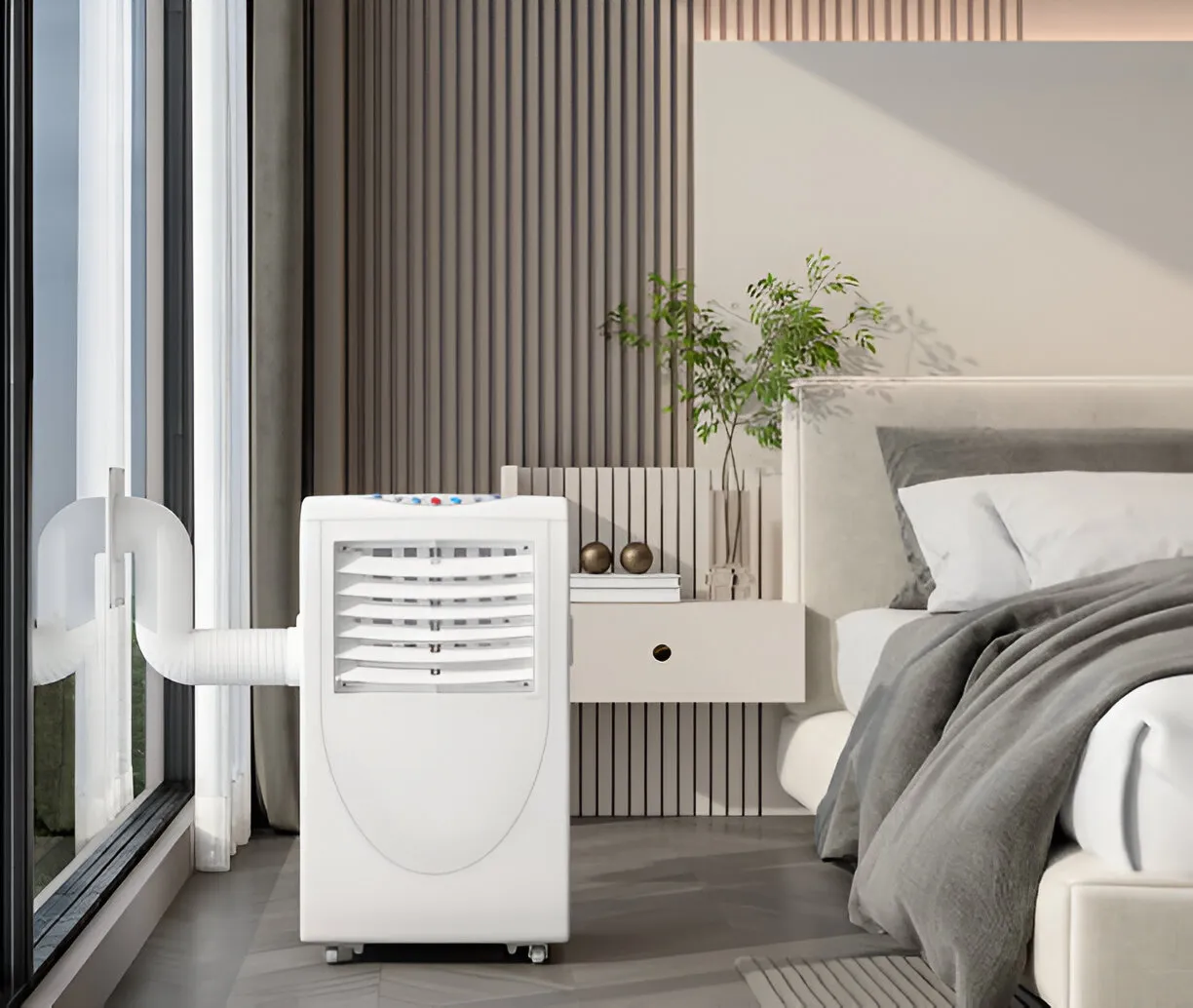
- Useful for targeted rooms (nurseries, bedrooms, offices). CADR ratings guide sizing.
- Flexible and quick to deploy during wildfire smoke or in rented spaces.
- Light-commercial installations
- Offices, clinics, salons may require higher CADR or multiple in-duct purifiers to meet occupancy needs and local code expectations.
Sizing and selecting the right filtration
- Key metrics
- CADR (Clean Air Delivery Rate) for portable units — matches unit to room size.
- ACH (Air Changes per Hour) — target 4 to 6 ACH for homes seeking significant particulate reduction; medical or high-risk spaces may require higher ACH.
- MERV rating for in-duct filters — MERV 13 is a common upgrade for meaningful particle removal while maintaining airflow. HEPA gives higher removal but has higher pressure drop.
- Simple sizing approach for portable units
- Desired ACH x room volume (ft3) / 60 = required CADR (ft3/min).
- Example: 4 ACH for a 12 ft x 15 ft room with 8 ft ceilings (1,440 ft3) -> CADR = 4 x 1,440 / 60 = 96 CFM.
- Match technology to need
- Allergies/PM2.5: HEPA or high-MERV in-duct with adequate ACH.
- Odors/VOCs: Activated carbon stage or specialized VOC adsorbers combined with HEPA.
- Microbial concerns: UV-C in HVAC or upper-room UV plus good filtration.
- Multi-problem spaces: Multi-stage systems that combine filtration and adsorbents.
Typical installation steps and what to expect
- Site assessment and IAQ baseline testing
- Inspect existing HVAC, sample for PM2.5, VOCs, humidity, and identify pollutant sources.
- System selection and design
- Determine in-duct vs. standalone, necessary CADR/ACH, and staging (HEPA + carbon + UV).
- Professional installation
- Duct modifications, dedicated housings, electrical connections, and secure mounting where applicable.
- Commissioning and performance verification
- Measure airflow, static pressure, and post-install particle/VOC levels to confirm expected improvement.
- Owner orientation
- Review filter access, replacement schedules, and simple performance checks.
Maintenance and long-term care
- Filter replacement guidelines (typical ranges)
- Pre-filters: inspect monthly; replace every 1 to 3 months if dusty.
- HEPA filters: inspect every 6 months; replace every 6 to 18 months depending on use and pollutant load.
- Activated carbon cartridges: replace every 3 to 12 months depending on VOC/odor exposure.
- UV lamps: typically replace annually to maintain germicidal intensity.
- Ionization modules: inspect annually and follow manufacturer cleaning/replacement guidance.
- Routine checks
- Annual IAQ performance test or HVAC tune-up to ensure fans and filtration are operating as designed.
- Keep supply and return grilles clean and unobstructed.
Expected indoor air quality improvements
- HEPA filtration commonly removes 99.97% of challenge particles at 0.3 microns in the air path; whole-home systems and appropriate ACH can reduce indoor PM2.5 by large percentages depending on infiltration and source control.
- Activated carbon significantly lowers many odors and some VOC concentrations; results depend on exposure levels and carbon capacity.
- Combined and properly sized systems typically yield noticeable reductions in allergy symptoms, fewer odor complaints, and measurable drops in particulate and VOC readings after commissioning and during smoke events.
Trusted brands and warranty/financing considerations
- Widely recognized brands that supply reliable air cleaning components include Carrier, Trane, Lennox, Daikin, Honeywell, Aprilaire, and IQAir. Brand selection should match the chosen technology and installer experience.
- Warranties vary by component: compressors and major HVAC equipment may carry multi-year warranties from manufacturers; filtration media, UV lamps, and electronic modules have separate coverage—always register equipment and keep documentation.
- Financing and service plans
- Many installers and dealers offer financing plans, maintenance agreements, and extended service warranties to spread investment and ensure ongoing performance. Review terms, coverage limits, and included maintenance intervals.
Before and after examples (what improvements look like)
- Home with seasonal allergies
- Before: Frequent sneezing and itchy eyes during spring indoors despite closed windows.
- After: Installation of whole-house MERV 13 and a dedicated HEPA bedroom unit; reduced symptoms and lower in-home pollen counts on particle testing.
- Small dental clinic
- Before: Concern about airborne pathogens and odors in treatment rooms.
- After: In-duct HEPA bypass system plus UV-C at coil/cabinet locations; measured decrease in airborne particle load and improved odor control.
- Apartment unit during wildfire season
- Before: Visible haze and smoky odor inside with outdoor PM2.5 spikes.
- After: Portable HEPA units sized for living and sleeping areas and activated carbon for odors; post-event testing showed markedly lower PM2.5 and greatly improved occupant comfort.
Final notes on local relevance
Arvada’s seasonal pollen, proximity to wildfire smoke pathways, and Front Range inversion events make air purification a practical investment for many households and light-commercial operations. The best outcomes come from pairing source control, appropriate ventilation, and the right purification technologies sized to the space. A professional IAQ assessment that measures PM2.5, VOCs, humidity, and airflow will clarify priorities and let you choose a system that delivers measurable improvement in indoor air quality.
Promotions
Save on seasonal system checks from a local team that treats your home like our own.

Testimonials
Neighbors trust Quality Heating & Air for honest work and fair pricing.