
Boiler Repair in Broomfield, CO
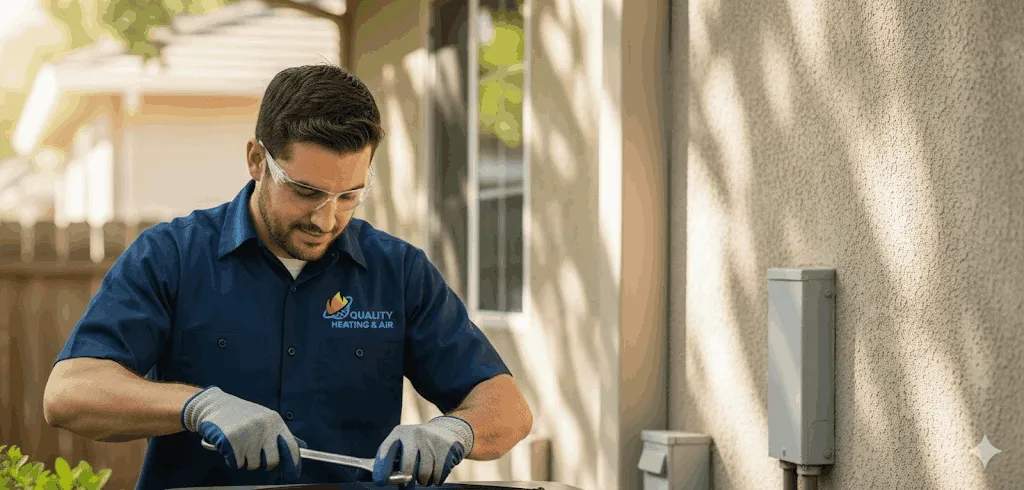
Boiler Repair in Broomfield, CO
A reliable boiler is essential for comfortable winters in Broomfield, CO. With cold nights, frequent temperature swings, and the higher elevation of the Front Range, boiler issues can move quickly from nuisance to serious safety risk.
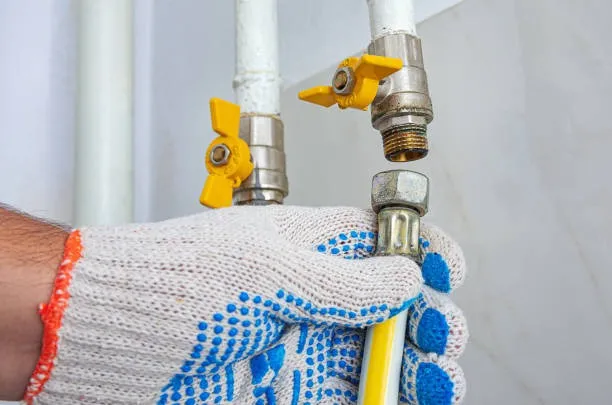
Why timely boiler repair matters in Broomfield homes
Broomfield winters are cold and dry, and many homes rely on hydronic boilers for whole-house heat or radiant systems. Problems left unaddressed can cause loss of heat at peak cold, inefficient fuel use at higher altitude, water damage from leaks, or hazardous carbon monoxide exposure from improper combustion. Prompt repair restores comfort, preserves system life, and reduces energy waste.
Common boiler symptoms seen in Broomfield
- No heat or intermittent heat - unit fails to reach set temperature or cycles off prematurely.
- Pilot light or electronic ignition failure - pilot won’t stay lit or ignition control malfunctions.
- Leaks around the boiler or piping - dripping, pooling, or rising water pressure.
- Unusual noises - banging, clanking, or hissing that indicate kettling, trapped air, or failing circulator.
- Low system pressure or frequent pressure drops - visible on the gauge or radiator cold spots.
- Short cycling or constant running - thermostat, control board, or flame sensing issues.
- Cold spots on radiators or floors - zone valve, circulator pump, or air in system problems.
- Odor of gas or signs of corrosion - immediate safety concern requiring isolation and inspection.
Diagnostic process: what a technician checks
A thorough diagnostic is the foundation of an effective repair. Typical steps include:
- Visual and audible inspection - check for leaks, rust, soot, or loose components.
- Pressure and temperature readings - verify system pressure, expansion tank condition, and water temperature.
- Ignition and combustion checks - test pilot, flame sensor, ignition module, and perform combustion analysis if needed, accounting for Broomfield elevation effects.
- Circulator pump and zone checks - test pump operation, verify zone valve function, and inspect air elimination.
- Safety and control testing - exercise pressure relief valve, limit switches, and control board diagnostics.
- Water quality and heat exchanger inspection - look for scale buildup or corrosion that reduces efficiency and can lead to failure.
Diagnostics are typically completed in one visit; when more invasive inspection is needed (for example internal heat exchanger assessment), additional time may be required.
Typical on-site repairs and parts replacement
Many boiler problems are commonly resolved during a single service visit. Typical on-site repairs include:
- Ignition system repair or replacement: thermocouples, flame sensors, or ignition modules.
- Gas valve replacement or adjustment and combustion tuning for high-altitude efficiency.
- Circulator pump repair or swap-out to restore flow and eliminate noise.
- Pressure relief valve, expansion tank, and fill valve servicing to stabilize system pressure.
- Zone valve replacement, actuator repair, or thermostat recalibration for uneven heat.
- Leak repairs to fittings, seals, gaskets, and condensate traps for high-efficiency units.
- Air purging and system flush to remove trapped air and improve heat distribution.
- Minor heat exchanger gasket repairs or isolated section replacement; full heat exchanger replacement is a major repair typically requiring parts ordering.
When a heat exchanger or major component must be replaced, technicians will explain options and likely outcomes based on the boiler’s age and condition.
Emergency response and safety guidance
In Broomfield, sudden boiler failures in deep cold or leaks causing flooding are urgent. Emergency response protocols commonly practiced by professional repair services include:
- Rapid diagnostic priority for loss-of-heat calls during freezing weather.
- Triage for gas odors or suspected carbon monoxide situations—immediate gas shutoff and ventilation, and safety checks before attempting restart.
- Temporary secure measures to prevent water damage from leaks (shutoff valves, drain procedures).
Homeowners should know basic safety steps while awaiting a technician: turn off the boiler power and gas if a leak or gas odor is present, evacuate if necessary, and avoid restarting a boiler that shows signs of combustion problems. Emergency dispatch options often exist 24/7 though scheduling and response times vary by provider and local demand.
Expected repair timelines
- Diagnostic visit: typically 30 to 90 minutes depending on system complexity.
- Minor repairs and part swaps: often completed the same day when parts are on hand.
- Parts-ordered repairs: 1 to 3 days is common for standard components; specialized parts or heat exchangers may take longer.
- Major repairs or heat exchanger replacement: can require multiple days for parts, labor, and safety testing.
Technicians will usually provide an estimated timeline after initial diagnostics and explain any factors that could extend the schedule, such as part availability or the need for permitting for certain gas-line work.
Warranty, safety inspections, and documentation
Safety inspections are integral to reputable boiler repair:
- Combustion efficiency testing and carbon monoxide checks verify safe operation, especially important at Broomfield elevations where combustion characteristics differ.
- Venting and flue inspections ensure exhaust gases are properly routed and no obstructions exist.
- Pressure relief and electrical safety checks protect against overpressure and electrical hazards.
Technicians should document findings, repair actions, and test results. Most professional services honor manufacturer warranties on replaced parts and provide workmanship guarantees; warranty terms vary by manufacturer and installer, so documentation and explanation of coverage are provided with the service report.
Transparent pricing estimates and scheduling expectations
Transparent repair estimates typically include an itemized scope: diagnostic fee, labor hours, parts list, and any permits or tests required. Rather than open-ended quotes, expect a written estimate outlining what must be done, options if additional issues are discovered, and any warranty details. Scheduling is usually offered in appointment windows, with emergency slots for urgent no-heat or gas-related situations. When planning service in Broomfield winter months, allow for potential scheduling delays due to high seasonal demand.
Preventive tips to reduce repair needs
- Annual safety tune-ups and combustion testing before winter reduce the risk of mid-season failures.
- Flushing systems and treating hard water can limit scale buildup common in Colorado water, protecting heat exchangers.
- Bleed radiators and check zone valves to maintain even heat.
- Install and maintain CO detectors near sleeping areas and the boiler location.
Regular preventive care extends boiler life and improves fuel efficiency in Broomfield’s climate.
Promotions
Save on seasonal system checks from a local team that treats your home like our own.

Testimonials
Neighbors trust Quality Heating & Air for honest work and fair pricing.