
Boiler Installation in Northglenn, CO
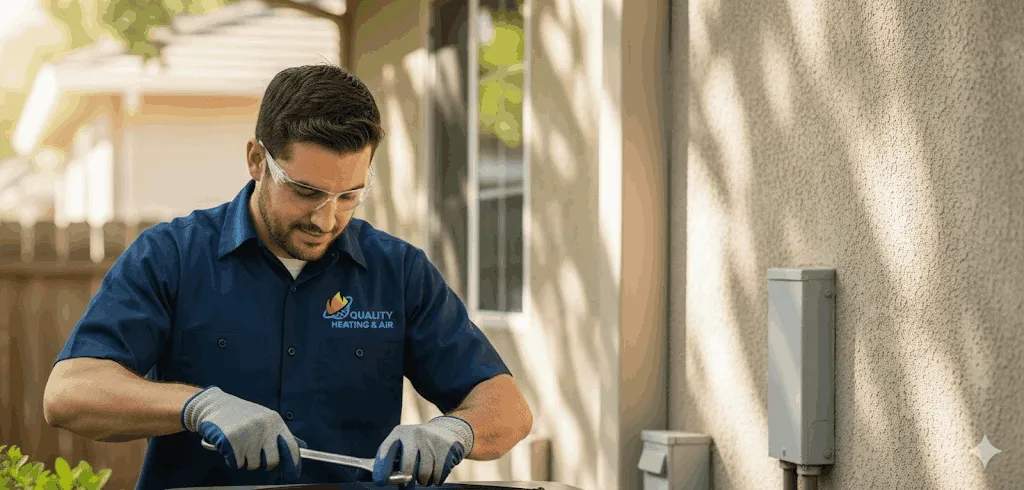
Boiler Installation in Northglenn, CO
A properly designed and installed boiler is one of the best investments you can make for reliable winter comfort in Northglenn, CO. With cold Front Range winters, frequent freeze-thaw cycles, and homes that range from newer builds to older properties with existing hydronic systems, a professional new boiler installation ensures consistent heat, better efficiency, and fewer emergency repairs.
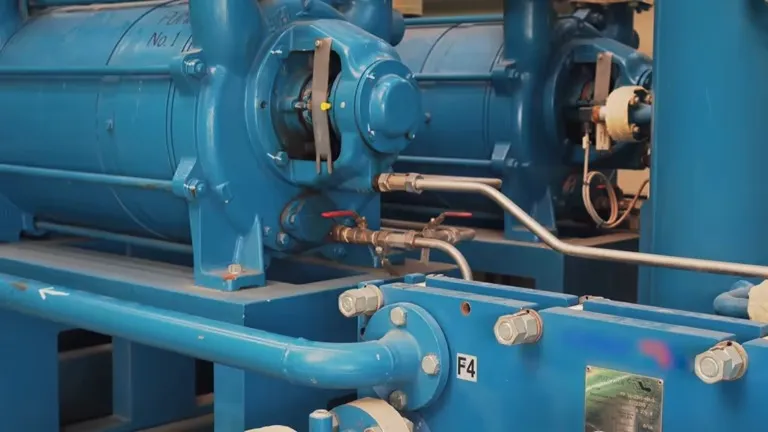
Why replace or install a new boiler in Northglenn, CO
- Northglenn winters are cold and can stress aging boilers, increasing the risk of breakdowns.
- Older cast-iron or inefficient units waste energy and produce uneven heat.
- New high-efficiency boilers can reduce fuel use, lower monthly heating costs, and improve indoor comfort for homes with baseboard or radiant systems.
- Altitude and local code considerations around the Denver metro area make correct sizing and combustion setup essential.
Common boiler installation scenarios we address in Northglenn homes
- Replacing a failing or inefficient cast-iron boiler with a modern condensing unit.
- Installing a new boiler for hydronic radiant-floor heating in a remodel or addition.
- Converting an existing furnace-based system to a hot-water boiler system.
- Upgrading controls and zone valves to improve comfort and efficiency across multiple living areas.
Site evaluation, load calculations, and correct sizing
A reliable installation starts with a careful site evaluation and accurate heat loss calculation. For homes in Northglenn this includes:
- Inspecting existing distribution (radiators, baseboards, radiant tubing) and piping layout.
- Performing a room-by-room heat loss calculation (Manual J/heat-loss methodology) to determine exact capacity needs rather than relying on the old unit’s size.
- Considering elevation effects—combustion characteristics and available air supply at higher elevation may affect appliance selection and venting choices.
- Confirming mechanical room access, clearances, stack/vent routing options, and utility connections.
Correct sizing avoids short-cycling and improves efficiency and equipment life. Oversized boilers cost more to run and short-cycle; undersized units fail to meet comfort demands.
Selecting the right high-efficiency unit
Northglenn homeowners typically choose from:
- Condensing boilers — highest efficiency for natural gas or propane homes; extract additional heat from flue gases.
- Modulating-condensing units — adjust output to match demand, reducing cycling in mild weather.
- Combi boilers — provide space heating and domestic hot water in compact installations (suitable for smaller homes).
- Non-condensing boilers — can be appropriate for specific retrofit situations where venting or return temps preclude condensing operation.
Selection factors include system type, domestic hot water needs, fuel type, available venting, desired efficiency, warranty coverage, and budget. Equipment choices are matched to the calculated load and system requirements.
Installation procedures: piping, venting, and controls
A complete installation follows industry best practices:
- Removal and safe disposal of the old boiler and components when applicable.
- Precision piping work: new supply/return connections, properly sized circulator pumps, isolation valves, and zone controls. Hydronic piping is laid to minimize air pockets and ensure proper flow.
- Venting installation compliant with local code: direct vent or common venting, correct materials, and termination clearances. Combustion air provisions are verified.
- Electrical connections for controls, pumps, and safety devices, including proper grounding and circuit protection.
- Integration with thermostats, zone valves, or building automation as required to optimize comfort and efficiency.
Permits, code compliance, and inspections
Boiler installations in Northglenn require adherence to local and state codes:
- Permits are pulled for gas, mechanical, and electrical work as required by Adams County/City of Northglenn authorities.
- Installations meet gas piping codes, combustion air, venting clearances, and equipment manufacturer instructions.
- Inspections by the local authority having jurisdiction confirm safe venting, gas connections, and electrical compliance. Proper permitting protects safety and preserves warranty support.
Start-up, commissioning, and post-installation testing
Thorough start-up and commissioning ensure your new boiler performs as intended:
- System fill, air removal, and pressure testing to verify leak-free piping.
- Initial firing and combustion analysis (adjustments for elevation) to ensure safe, efficient operation and proper CO and O2 readings.
- Verification of pump/piping flow rates, zone operation, outdoor reset or modulating controls, and thermostat calibration.
- Temperature and pressure checks under load to confirm comfort levels and correct system response.
- A documented start-up report outlining test results, operating setpoints, and maintenance recommendations.
Warranty and maintenance recommendations
Protecting your investment requires planned maintenance:
- New boilers typically include manufacturer warranties on the heat exchanger and parts; confirm terms and registration requirements at installation.
- Annual tune-ups are recommended: combustion analysis, burner cleaning, checking safety devices, flushing condensation traps (for condensing boilers), and verifying system water quality.
- Hydronic systems benefit from water treatment where needed to prevent corrosion, scale, and sediment that reduce efficiency and shorten component life.
- Keep accessible service records and a start-up report to simplify future service and any warranty claims.
Local considerations for Northglenn, CO
- Freeze protection and insulating exposed piping are crucial during prolonged cold spells in the Front Range.
- Homes near the Denver metro often face variable winter loads—modulating boilers and outdoor reset strategies deliver better comfort and lower fuel use.
- For older Northglenn homes with original radiators or cast-iron systems, attention to return-water temperatures and potential retrofits (like low-loss headers or buffer tanks) can maximize condensing boiler performance.
A correctly sized, code-compliant boiler installation tailored to your Northglenn home provides dependable warmth through long winters, improved energy efficiency, and quieter, more consistent heating. Prioritizing accurate load calculations, proper venting and combustion setup for local elevation, and scheduled maintenance will maximize longevity and performance. With careful planning and professional installation you gain a system that keeps your home comfortable and operating efficiently for years.
Promotions
Save on seasonal system checks from a local team that treats your home like our own.

Testimonials
Neighbors trust Quality Heating & Air for honest work and fair pricing.