
Air Conditioning Installation in Northglenn, CO

Air Conditioning Installation in Northglenn, CO
Replacing or installing an air conditioner is one of the most important investments a homeowner makes for comfort, energy savings, and indoor air quality. In Northglenn, CO, where hot, dry summers and wide day/night temperature swings put stress on aging systems, a professional, correctly sized air conditioning installation ensures reliable cooling, lower utility bills, and longer equipment life.
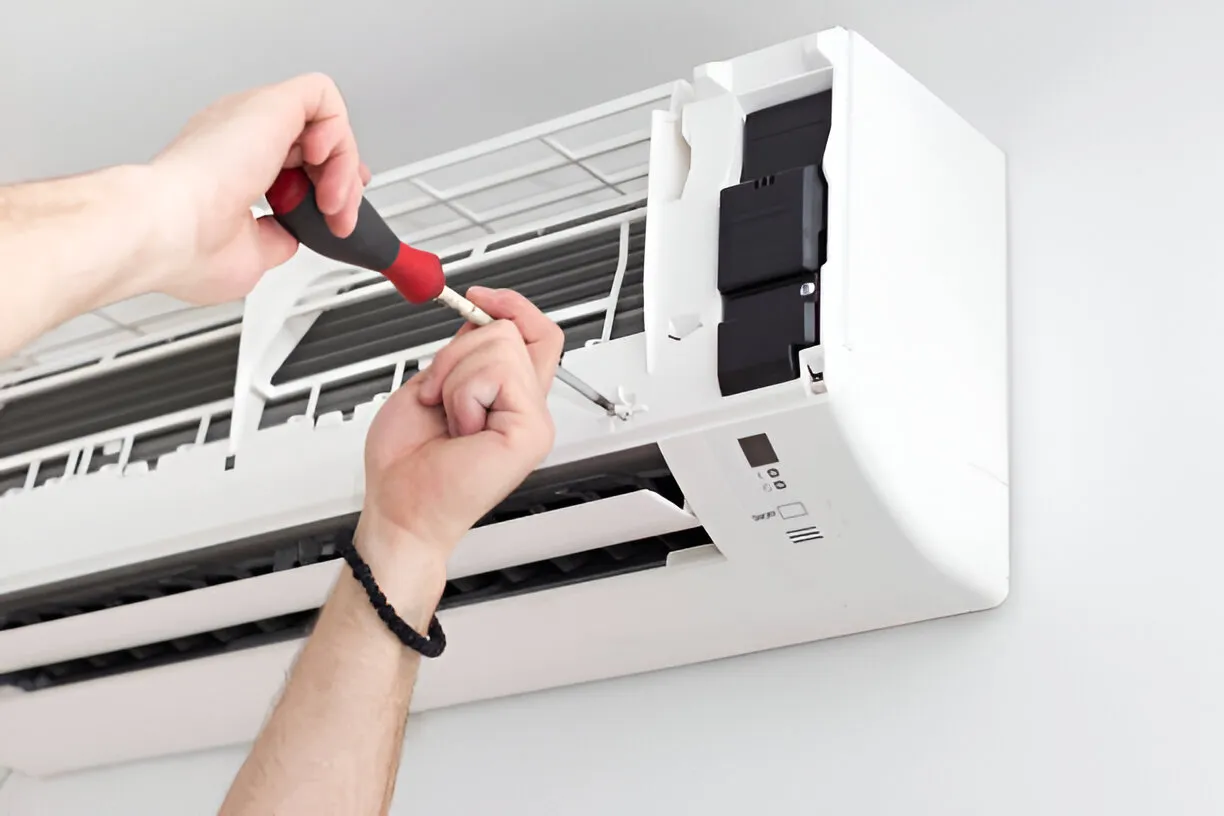
Why the right installation matters in Northglenn
Northglenn’s climate — strong summer sun, occasional monsoon storms, and high-altitude temperature variations — makes proper system sizing and installation essential. An undersized unit struggles during heat waves, raising energy costs and shortening lifespan. An oversized unit cycles too frequently, causing humidity and comfort problems. Local attic heat loads, sun-facing glass, and leaky ductwork common in older Denver-metro homes also influence system selection and placement.
Common air conditioning installation issues in Northglenn
- Improper sizing (oversized or undersized units) from skipping a professional load calculation
- Unchecked duct leaks or undersized ducts that reduce airflow and efficiency
- Inadequate refrigerant charge or incorrect line-set sizing, leading to poor performance
- Electrical panel or circuit limitations in older homes requiring upgrades
- Poor placement of outdoor units (exposed to full sun, debris, or restricted airflow)
- Lack of permitting or noncompliant installations that fail municipal inspections
Our step-by-step installation process and typical timeline
A thorough, professional installation follows defined stages to prevent common problems and meet municipal requirements. Typical timeline: 1–5 business days depending on system type, ductwork needs, and permitting.
- Initial home assessment and load calculations (Day 1)
- Conduct a full walkthrough and perform a Manual J load calculation to determine correct capacity.
- Evaluate attic insulation, window orientation, shading, and existing ductwork.
- Identify electrical service needs and any required panel or breaker upgrades.
- System selection and options discussion (same visit or Day 2)
- Review energy-efficient models, SEER ratings, heat-pump vs traditional split systems, and ductless mini-split options for additions or room-specific comfort.
- Discuss brand partnerships and warranties from leading manufacturers such as Carrier, Trane, Lennox, Daikin, and others.
- Permitting and pre-install preparation (Day 2–4)
- Prepare and submit required permits to the City of Northglenn or county authorities.
- Order equipment and schedule delivery. If ductwork modifications or structural changes are needed, schedule those trades.
- Removal and installation (Day of install)
- Safely remove old equipment, reclaim refrigerant according to environmental regulations, and dispose of components responsibly.
- Install new condenser, evaporator coil, air handler/furnace interface, line sets, and electrical connections.
- Complete ductwork modifications or sealing as required.
- Safety checks, system startup, and commissioning (same day)
- Verify electrical connections, refrigerant charge, airflow, and proper condensate drainage.
- Perform refrigerant pressure checks, measure temperatures, and adjust airflow and fan speeds.
- Ensure thermostat compatibility and program user settings.
- Post-installation testing and customer walkthrough (end of install)
- Demonstrate controls, explain maintenance needs and filter types, and provide documentation on model, serial numbers, and warranty coverage.
- Leave a maintenance checklist and recommended service schedule.
Energy-efficient model options and brand partnerships
Energy efficiency in Northglenn saves money and reduces strain on the grid. Consider these options:
- Higher SEER ratings (14–26+) for central ACs reduce seasonal cooling costs.
- Variable-speed compressors and two-stage units improve humidity control and comfort consistency.
- ENERGY STAR-certified models and heat pumps offer efficient cooling and heating for Colorado’s variable climate.
- Ductless mini-splits are excellent for additions, garages, or rooms without existing ductwork.
We work with leading manufacturers to offer proven models and back those systems with manufacturer warranties and compatible controls.
Permitting, safety checks, and code compliance
Most installations in Northglenn require permits and inspections to ensure safety and code compliance. Licensed technicians will:
- Pull necessary permits and schedule inspections with local authorities.
- Adhere to EPA refrigerant handling rules and electrical code requirements.
- Verify equipment clearances, combustion air (if integrating with a furnace), grounding, and disconnects.
Following these steps prevents costly rework and ensures your system is insurable and compliant.
Warranty and financing options
New systems typically include manufacturer warranties on major components (compressor, coil) and a separate labor warranty for installation. Extended coverage options and routine maintenance plans can protect performance and value over time. Financing programs through third-party lenders are often available to spread upfront costs; common arrangements include low-interest terms or deferred payments qualifying on credit. Documentation of warranties and registration instructions will be provided during the final walkthrough.
Post-installation testing and homeowner walkthrough
A full commissioning process confirms the system meets performance targets:
- Measure temperature differentials, verify cooling capacity, and check airflow in multiple rooms.
- Test thermostat programming, zone controls, and any smart integration.
- Walk through the home with the homeowner to explain normal operation, filter replacement intervals, and recommended thermostat settings for Colorado seasons.
Tips for ensuring long-term system performance
- Schedule professional maintenance twice a year (pre-summer and pre-winter).
- Replace filters regularly (every 1–3 months depending on use and filter type).
- Keep the outdoor unit clear of debris, snow, and vegetation; provide shade if possible without restricting airflow.
- Seal and insulate ducts, especially in unconditioned spaces.
- Use a programmable or smart thermostat to reduce runtime during unoccupied hours.
- Address unusual noises, frequent cycling, or rising bills promptly to avoid bigger failures.
Promotions
Save on seasonal system checks from a local team that treats your home like our own.

Testimonials
Neighbors trust Quality Heating & Air for honest work and fair pricing.