
Air Conditioning Installation in Arvada, CO
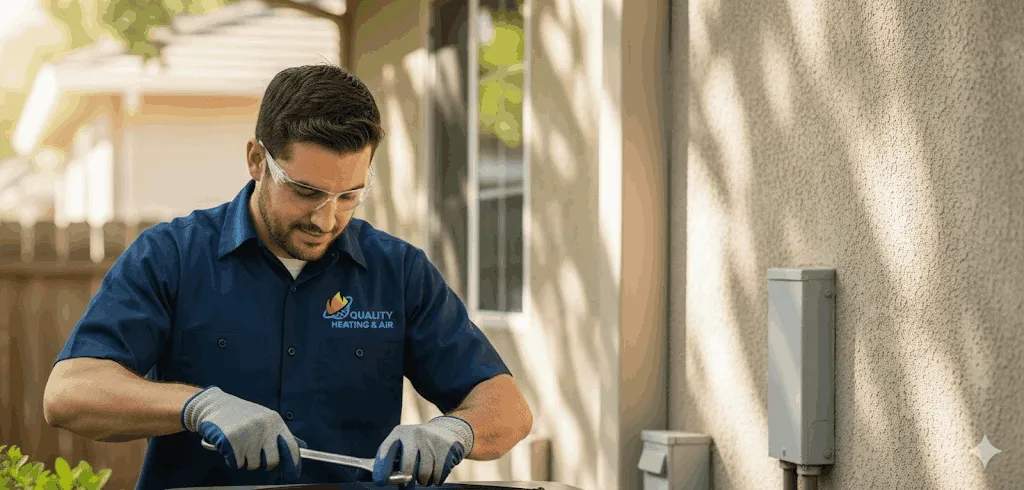
Air Conditioning Installation in Arvada, CO
Installing a new air conditioning system is one of the most important investments you can make in home comfort and energy efficiency. For homeowners in Arvada, CO, the right AC installation addresses summer heat, high-altitude performance, and sometimes older ductwork or mixed construction styles.
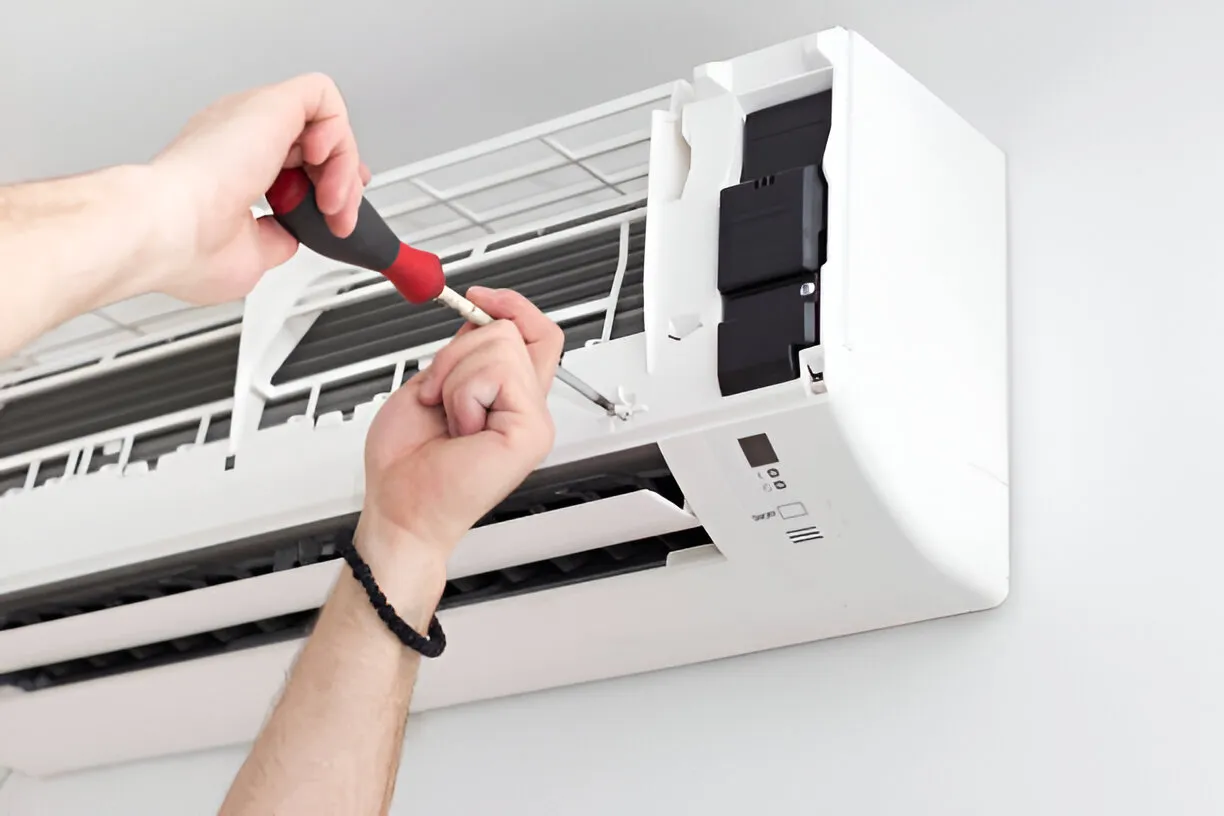
Why a professional installation matters in Arvada
Arvada experiences warm, sunny summers with large daytime to nighttime temperature swings and a dry, high-altitude climate. Those conditions affect how an air conditioner performs and how it should be sized and installed. Improper sizing or poor installation can lead to short cycling, uneven cooling, elevated humidity problems in sealed homes, and higher energy bills. A professional installation tailored to Arvada homes ensures lasting comfort, reliable performance, and eligibility for local rebates and manufacturer warranties.
Common AC installation types and common issues in Arvada
- Central AC replacement or new central AC: Best for whole-home comfort when ductwork is present. Common issues include undersized units, leaky ducts, and inadequate return air.
- Ductless mini split systems: Ideal for additions, garages, or homes without ducts. Common issues include improper line set routing or incorrect refrigerant charge.
- Heat pump systems: Popular for year-round efficiency in Colorado climates. Pay attention to cold-climate models and proper defrost controls.
- Packaged rooftop systems: Used in some multi-level or commercial-style homes.
- Upgrading to high-efficiency models: Often combined with thermostat and zoning upgrades to maximize savings.
Our full AC installation process explained
Below is a step-by-step outline of the installation process most homeowners in Arvada can expect. Each step is focused on long-term performance, safety, and regulatory compliance.
1. Initial consultation and home assessment
- Discuss comfort goals, budget, and any existing problems such as uneven temperatures, rising bills, or noisy equipment.
- Inspect current HVAC equipment, ductwork, insulation levels, and electrical capacity.
- Note home orientation, window area, and attic conditions that influence cooling load at Arvada elevations.
2. Professional load calculation and system sizing
- Perform a Manual J load calculation to determine the correct capacity. This is critical in Arvada because altitude and construction types change cooling needs compared to sea level.
- Consider Manual D duct design when ducts are present to ensure proper airflow.
- Select a system capacity that minimizes short cycling while maximizing efficiency.
3. Guidance on selecting energy-efficient models and preferred brands
- Discuss energy efficiency (SEER ratings), advanced compressor technologies, variable-speed blowers, and matched coil considerations.
- Review trusted brands that perform well in Colorado climates, including Carrier, Trane, Lennox, Daikin, Amana, and others. Evaluate features such as high-efficiency single-stage, two-stage, and variable-capacity options.
- Consider smart thermostats, zoning systems, and indoor air quality upgrades to complement the new unit.
4. Site preparation and pre-install checks
- Evaluate condenser placement for airflow clearance, noise considerations, and sun exposure common in Arvada yards.
- Inspect and prepare refrigerant line routing, condensate drainage, and electrical service. High-altitude installation sometimes requires modifications to refrigerant charge procedures.
- Coordinate any necessary duct repairs or upgrades, fixing leaks and improving insulation where needed.
5. Professional installation steps
- Remove old equipment safely and recycle components per local regulations.
- Install new outdoor unit on a proper pad or platform, ensuring level and secure mounting.
- Mount indoor coil/air handler or evaporator, connect refrigerant lines, and complete wiring to code.
- Evacuate and charge refrigerant to manufacturer specifications with altitude adjustments.
- Install and program the thermostat, set airflow balance, and verify proper drainage.
6. Permit, inspection, and rebate assistance
- Assist with local permit requirements and scheduling final inspections. Arvada follows municipal building codes that require permits for major HVAC work.
- Identify common local incentives and rebates available to Arvada homeowners. Many Colorado utilities, including regional providers, offer rebates for high-efficiency equipment and air sealing. Federal energy tax credits may also apply for certain high-efficiency heat pumps and upgrades.
- Provide the documentation needed to file for rebates and complete permit inspection checklists.
7. Warranty, financing, and protection plans
- Explain manufacturer warranties for compressors, coils, and parts as well as labor warranties that protect the installation workmanship.
- Review typical warranty terms and the process for registering equipment to preserve coverage.
- Outline common financing options and maintenance plans available for spreading the investment and protecting system performance over time.
8. Post-installation testing and customer education
- Perform a comprehensive startup and testing sequence: airflow verification, temperature drop checks, amp draws, refrigerant pressures, and thermostat calibration.
- Walk through homeowner operations: thermostat programming for Colorado seasonal swings, filter replacement schedules, and basic troubleshooting tips.
- Explain maintenance best practices to preserve efficiency: seasonal filter changes, annual tuneups, and addressing duct leaks or attic insulation issues that affect system load.
Maintenance and long-term performance in Arvada
Regular maintenance is critical to keep a new system performing at peak efficiency in Arvada’s climate. Seasonal tuneups, proactive filter replacement, and duct checks reduce wear and extend equipment life. High-elevation conditions and Colorado’s dry air mean dust and particulates can load filters faster; homeowners should plan for more frequent filter changes and consider advanced filtration if allergies are a concern.
Benefits of a correctly installed system
- Improved comfort with balanced temperatures throughout the home
- Lower energy bills from a properly sized, high-efficiency unit
- Fewer repairs and longer equipment life due to correct installation and charge
- Qualification for manufacturer warranties and local rebates when permits and documentation are handled properly
- Better indoor air quality with properly sealed ducts and matched components
A professional, code-compliant AC installation tailored to Arvada’s climate and home styles ensures you get predictable comfort and maximum value from your investment. The right approach combines careful load calculation, energy-efficient equipment selection, precise installation, and thorough post-install testing and education to deliver reliable cooling for years to come.
Promotions
Save on seasonal system checks from a local team that treats your home like our own.

Testimonials
Neighbors trust Quality Heating & Air for honest work and fair pricing.