Banging, Rattling, or Squealing: What Your Noisy Boiler in Henderson Co. is Telling You

## Why Your Boiler’s Noises Shouldn’t Be Ignored
When your boiler making noise in henderson co starts disrupting your home’s peace, it’s more than just an annoyance—it’s your heating system trying to tell you something. Whether you’re hearing banging, rattling, whistling, or a rumbling sound like a boiling kettle, each noise points to a specific issue that needs attention. Henderson homeowners face unique challenges with their boilers, from hard water causing limescale buildup to temperature fluctuations stressing system components. Understanding what these sounds mean can help you determine whether you need a simple fix or professional help.
Quick Guide to Boiler Noises:
- Kettling (rumbling/gurgling) – Limescale buildup restricting water flow in the heat exchanger - Banging/clunking – Trapped air in pipes, water hammer, or delayed gas ignition - Whistling/squealing – Low water pressure, trapped air, or failing circulator pump - Grinding/humming – Worn pump bearings or loose vibrating components
For comprehensive heating solutions in the Denver Metro area, explore our HVAC services, and if you need immediate assistance, contact Quality Heating and Air today.
Decoding the Sounds: Common Boiler Noises and Their Causes
When your boiler makes unexpected sounds, it’s signaling a potential problem. Each noise points to a specific issue, and understanding them can help you know when to act.
Kettling (A Rumbling or Gurgling Sound)
A rumbling or gurgling sound, known as “kettling,” is a common complaint. It’s often a sign that your boiler needs attention.
Kettling happens when limescale and mineral deposits from Henderson’s hard water build up inside the boiler’s heat exchanger. This buildup restricts water flow, causing it to overheat and turn into steam. The noise is the steam forcing its way through the blockage.
Beyond the noise, kettling reduces efficiency, increases utility bills, and puts the heat exchanger under constant stress. This can lead to cracks or complete failure. Given the hard water in our area, if your boiler making noise in Henderson CO is kettling, it needs attention to prevent costly repairs.
Banging or Clunking
Loud banging or clunking noises can be startling and often indicate issues that need prompt attention. Common causes include:
- Water hammer: Occurs when water flow changes direction suddenly, creating pressure waves. - Trapped air: Air pockets in the boiler or radiators disrupt water flow, creating knocking sounds. - Delayed ignition: In gas boilers, an accumulation of gas can ignite all at once, causing a loud bang. This is a serious safety concern. - A faulty circulator pump: A struggling pump can cause banging as it operates inefficiently.
For more information about professional solutions, check out our boiler installation in Henderson, CO services.
Whistling or Squealing
A high-pitched whistling or squealing sound typically points to issues with water flow or pressure. The most common causes are:
- Low water pressure: The system struggles to circulate water, creating a whistling sound as it passes through constricted areas. - Trapped air: Air pockets can create high-pitched hissing or whistling noises. - A failing circulator pump: Worn bearings in the pump can produce a high-pitched squeal. - System blockages: Debris or limescale can restrict water flow and cause whistling.
If the whistling is constant, it indicates a problem that needs to be addressed.
Grinding or Humming
While a gentle hum is normal, a loud humming or grinding sound usually means mechanical components are wearing out. Look out for:
- Failing pump bearings: Worn bearings in the circulator pump are a common source of grinding noises. This can lead to complete pump failure if ignored. - Loose components: A fan or motor can work loose over time and vibrate against other parts. - Motor issues: The motor driving the fan or pump can develop problems, resulting in a buzzing or humming sound.
Grinding noises in particular signal that a mechanical part is failing and requires a professional inspection to prevent further damage.
The Henderson Factor: How Local Conditions Affect Your Boiler
Henderson’s local conditions, specifically its hard water and temperature swings, play a significant role in boiler health and the noises they develop.
First, the Denver Metro area is known for its hard water. This means the water contains high levels of dissolved minerals like calcium and magnesium. When your boiler heats this water, these minerals form limescale, a crusty deposit that sticks to the inside of your heat exchanger. This is the primary kettling cause for Henderson homeowners.
Limescale acts as an insulator, forcing your boiler to work harder and burn more fuel to heat your home. This reduced efficiency leads to higher utility bills. Over time, the mineral buildup can also damage pipes and other components, reducing their lifespan. When you have a boiler making noise in Henderson CO, hard water is often a key factor.
Next, Colorado’s dramatic temperature fluctuations put extra stress on your boiler. The metal components in your boiler and pipes expand when hot and contract when cool. The rapid temperature changes common in the Henderson CO climate cause this to happen frequently, which can lead to popping or banging sounds as the system adjusts.
This constant expansion and contraction creates system stress on joints, seals, and connections, potentially worsening existing weak points or creating new ones. Understanding these local factors highlights why proactive maintenance is so crucial for Henderson boilers. For more information on protecting your system, check out our services in Henderson.
Your First Line of Defense: DIY Troubleshooting for a Boiler Making Noise in Henderson CO
Before calling a professional, some simple DIY steps can resolve common boiler noises. However, if you’re uncomfortable with any step, it’s always best to call for expert help.
Bleeding Your Radiators to Release Trapped Air
If you hear gurgling, hissing, or banging, and some radiators aren’t heating properly, trapped air is the likely culprit. Bleeding radiators is an easy fix for a boiler making noise in Henderson CO.
What you’ll need: A radiator key, a small container, and a cloth.
First, turn off your heating and let the system cool down. At each radiator, place your container under the bleed valve (a small valve at the top corner). Use the key to slowly turn the valve counter-clockwise. You’ll hear a hissing sound as air escapes. Once water begins to flow steadily, close the valve. Repeat this for all radiators, starting with the one furthest from the boiler. Afterward, you’ll need to check your boiler’s pressure.
Checking and Adjusting Boiler Pressure
Low pressure can cause whistling and gurgling, while high pressure can create other problems. Your boiler’s pressure gauge (a dial or digital display) should ideally read between 1 and 2 bars when the system is cold. Check your manual for the exact recommendation.
If the pressure is below 1 bar, you’ll need to repressurize the system using the filling loop (a small pipe with two valves, usually under the boiler). With the boiler off and cool, slowly open both valves on the loop and watch the gauge. Once it reaches the ideal range, close both valves firmly. Turn the boiler back on to see if the noise has stopped.
If the pressure is too high or keeps climbing, it’s a sign of another issue that requires a professional.
Performing a Basic Visual Inspection
A quick visual check can sometimes reveal the source of the noise.
- Check for leaks: Look for any drips or puddles around the boiler and pipes. Leaks can cause pressure drops and noise. - Check for loose panels: A rattling noise might just be a loose access panel. Gently push on the panels to see if they are secure. - Ensure clear ventilation: Make sure the area around your boiler is clear of clutter. Blocked vents can affect performance and create unusual sounds. - Look for error codes: If your boiler has a digital display, check for any error codes. Your manual will explain what these codes mean and can point you to the problem.
When to Call the Pros: Signs You Need an Expert Boiler Technician
While some issues are simple DIY fixes, many boiler problems require a professional. Knowing when to call an expert is key to ensuring your safety and preventing costly damage to your boiler making noise in henderson co.
What are the risks of ignoring a noisy boiler?
Ignoring a noisy boiler is like ignoring a car’s check engine light—it can turn a small problem into a large, expensive one. Call a professional if you notice any of the following:
- Persistent noises: Sounds that don’t go away after basic troubleshooting or are getting louder. - No heat or hot water: If your boiler stops working, a critical component has likely failed. - Visible water leaks: Even a small drip can signal internal corrosion or a failing seal and lead to significant water damage. - Unusual smells: A metallic smell suggests overheating components. If you smell gas, turn off the boiler, evacuate your home, and call your gas provider immediately.
Ignoring these signs can lead to safety hazards, complete system failure, increased utility bills due to inefficiency, and a reduced system lifespan.
Why Professional Diagnosis is Crucial for a boiler making noise in Henderson CO
When basic troubleshooting fails, it’s time for a certified technician. Boilers are complex systems involving high pressure, electricity, and fuel, and they require expert knowledge.
A professional provides:
- Expert Diagnosis: Technicians have the experience to distinguish between minor issues and serious problems. - Specialized Tools: Professionals use equipment like thermal imaging cameras and combustion analyzers to accurately diagnose issues that are invisible to the naked eye. - Safety Protocols: Trained technicians follow strict safety procedures to handle high pressure, electricity, and fuel correctly. For more on boiler safety, the U.S. Department of Energy is a valuable resource. - Correct Repairs: Professional service ensures the job is done right the first time, preventing recurring issues. - Damage Prevention: Catching problems early saves you money and stress by preventing a domino effect of component failures.
At Quality Heating and Air, our technicians bring over 10,000 hours of training to every job. We offer honest assessments and 24/7 emergency availability because boiler problems don’t wait for business hours.
Frequently Asked Questions about Noisy Boilers in Henderson, CO
When your boiler making noise in Henderson CO acts up, you likely have questions. Here are answers to some of the most common concerns.
How can I tell if a boiler noise is normal?
Normal boiler sounds are generally soft and consistent. You might hear a soft click when it starts, a gentle hum from the pump, or the quiet whoosh of water. These are the sounds of a healthy system.
Abnormal sounds are loud, sudden, metallic, or new. Banging, rumbling, whistling, or grinding are all signs of a problem. A good rule of thumb: if a noise is disruptive or has changed recently, it’s best to get it checked by a professional.
What are the biggest risks of ignoring a noisy boiler?
Ignoring a noisy boiler can lead to a domino effect of serious issues. The primary risks include:
- Complete system breakdown, leaving you without heat or hot water. - Costly emergency repairs, which are more expensive than proactive service. - Water damage from leaks, which can damage your home’s structure and belongings. - Carbon monoxide or gas leak risks, which pose serious safety hazards. - Reduced system lifespan due to unnecessary strain on components. - Increased energy bills from an inefficient, struggling system.
Can hard water in Henderson really damage my boiler?
Yes, absolutely. Hard water is a leading cause of boiler problems in our area. The high mineral content in Henderson’s water creates limescale buildup inside the heat exchanger and pipes. This leads to several problems:
- Kettling: The rumbling noise caused by restricted water flow and steam pockets. - Reduced Efficiency: Limescale acts as an insulator, forcing your boiler to work harder and increasing your utility bills. - Component Failure: The constant stress from overheating can crack the heat exchanger, one of the most expensive parts to replace.
Regular professional descaling or a whole-house water softening system can prevent this damage and protect your investment.
Get Your Peace and Quiet Back with Professional Boiler Service
Living with a boiler making noise in henderson co is stressful. We’ve covered the common noises, the impact of local conditions, and some DIY steps you can take. However, there’s a clear line between a simple fix and a problem needing an expert. If your boiler noise persists, if you see leaks, or if you smell anything unusual, it’s time to call the pros.
At Quality Heating and Air, our experienced technicians are committed to providing transparent, reliable service to Henderson and the entire Denver Metro area. We understand that boiler problems don’t always happen during business hours, which is why we offer 24/7 emergency availability when you need us most.
Don’t let a noisy boiler compromise your family’s comfort or safety. We’re here to help you get your heating system running smoothly and quietly again. Your peace of mind matters to us, and we’re ready to restore it.
Schedule your boiler service today and let’s get that quiet, reliable warmth back into your home.

Testimonials
Neighbors trust Quality Heating & Air for honest work and fair pricing.
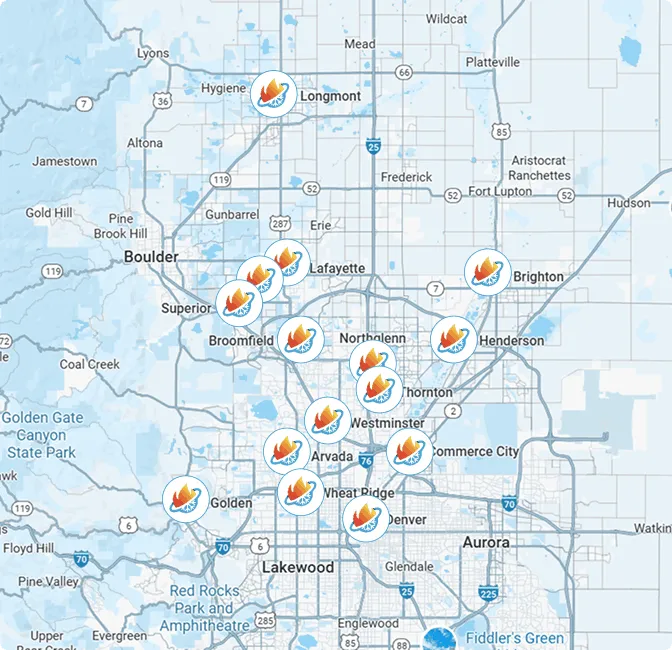
Service Areas