Silence the Symphony: Troubleshooting Boiler Noises in Your Colorado Home
## Is Your Boiler Playing an Unwanted Tune?
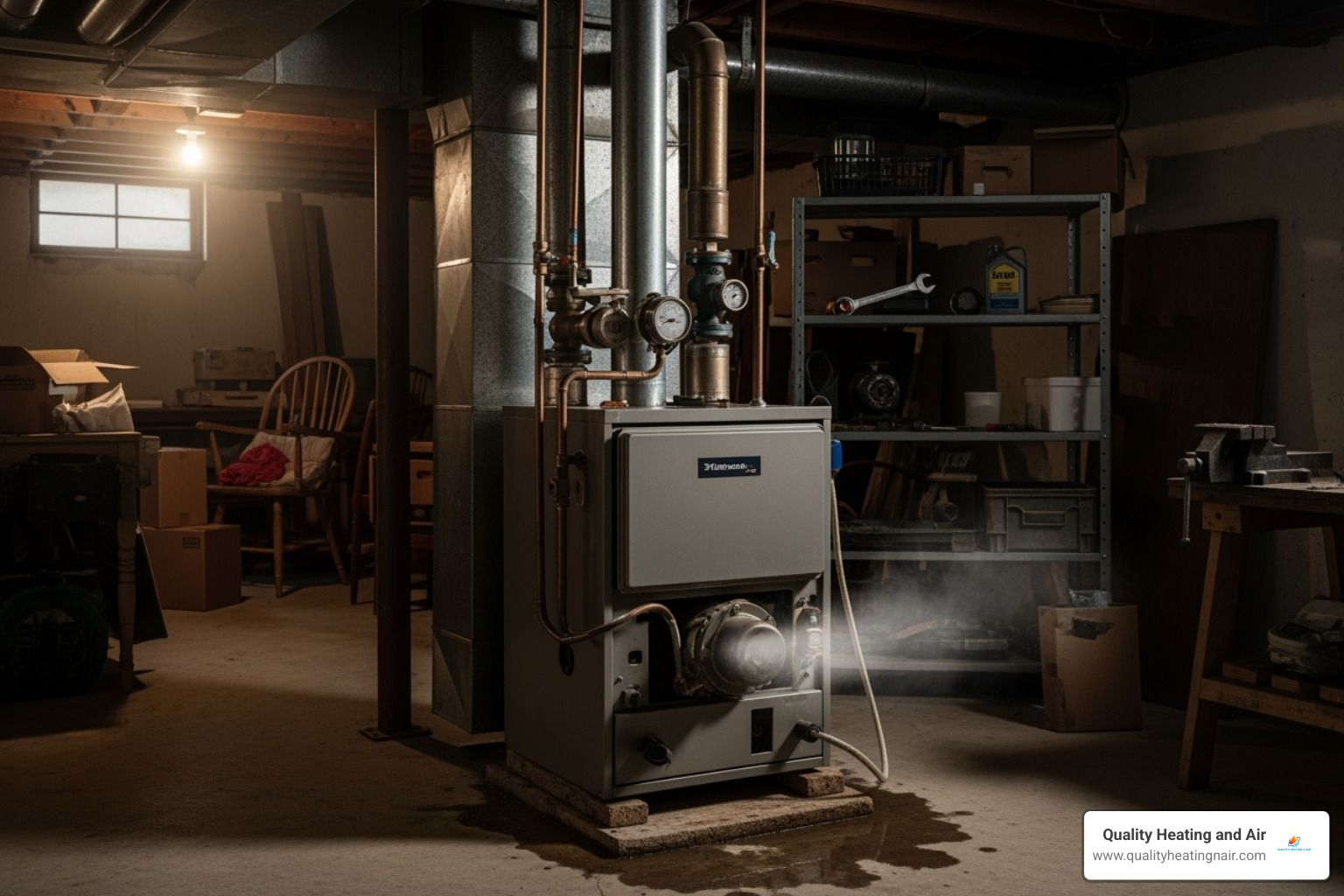
If your boiler making noise in broomfield co is a cause for concern, you’re not alone. Many homeowners hear unusual sounds from their heating systems, especially during Colorado’s winters. While some noises are normal, others signal problems that need attention. From rumbling and banging to whistling and gurgling, each sound tells a story about your boiler’s health. Understanding them helps you know when to act.
For more information about how boilers work and their benefits, check out our boiler service guide, or if you need immediate assistance, contact Quality Heating and Air for expert diagnosis.
Quick Guide to Boiler Noises:
- Banging/Rumbling (Kettling) – Usually limescale buildup or sediment in the heat exchanger - Gurgling – Trapped air in pipes or low water pressure - Whistling/Hissing – Air escaping or mineral deposits restricting flow - Buzzing/Vibrating – Electrical issues or faulty circulator pump - Clicking – Thermostat cycling or ignition sequence (often normal)
Most boiler noises point to fixable issues, but some require professional help. A properly maintained boiler should run quietly, with just a gentle hum. Anything louder or more persistent deserves investigation.
Decoding the Boiler’s Soundtrack: A List of Common Noises
Your boiler communicates through sounds. Some are normal, but others are red flags. Learning to decode these noises helps you know when to take action. Let’s review the most common sounds and what they mean.
Troubleshooting a boiler making noise in Broomfield, CO: Banging or Rumbling
A banging or rumbling noise, often called “kettling,” is a common issue for a boiler making noise in Broomfield CO. It happens when water flow is restricted in the heat exchanger, causing water to overheat and boil into steam. The collapse of these steam bubbles creates the noise.
The primary cause is limescale buildup from Colorado’s hard water, which narrows passages in the heat exchanger. If you’re interested in addressing hard water issues, our water heater services can help. Other causes include:
- Sediment accumulation: Sludge can block heat transfer and cause overheating. - Delayed ignition: In gas boilers, a buildup of gas can ignite with a small bang. - Water hammer: A shockwave created when water flow suddenly stops or changes direction. - Low water pressure: Insufficient water can boil too quickly, creating noise. - Loose pipes: Fittings can rattle against walls or other components.
Persistent banging is a threat to your system’s efficiency and longevity and should not be ignored.
Gurgling or Sounds of Running Water
A gurgling boiler usually indicates air is trapped where it shouldn’t be.
- Trapped air: Air bubbles in pipes or radiators interrupt water flow, causing gurgling and uneven heating. A large pocket of air, or an airlock, can block flow completely. - Hidden leaks: As water escapes, air can be drawn into the system, causing gurgling sounds. - Poor circulation: A struggling pump or blockages can also create turbulent, noisy water flow.
You can often fix trapped air by bleeding your radiators. Turn off the heating, let it cool, and use a radiator key to open the bleed valve on each radiator until water trickles out steadily. Start downstairs and work your way up. Afterward, check and repressurize your boiler if needed. For more guidance, Energy.gov offers helpful resources. If gurgling persists, call a professional to check for leaks or circulation problems.
Whistling or Hissing
A whistling or hissing sound is your boiler’s way of asking for help. This can be caused by:
- Kettling: A severe form of kettling where steam is forced through very narrow passages. - Trapped air: Air slowly escaping from a vent or a tiny leak. - High water pressure: Water rushing through pipes and valves too quickly. - Mineral deposits: Blockages that force water to squeeze through, creating a whistle. - A leaky valve: Water or steam escaping through a small gap.
These sounds point to inefficiencies that wear down your system and should be addressed.
Buzzing or Vibrating
A loud buzz or vibration, beyond a normal electrical hum, needs investigation. Common causes include:
- Electrical issues: Loose wiring or a faulty transformer can create a buzz and pose a safety risk. - Loose components: Panels or internal parts can rattle against the boiler casing. - Faulty circulator pump: A worn-out or failing pump can create a high-pitched vibration or loud hum. - Malfunctioning gas valve: A valve struggling to open or close can buzz.
Buzzing and vibrating signal that components are working too hard, leading to higher energy use and eventual failure.
Clicking
Clicking can be normal or a sign of trouble. Context is key.
- Normal clicking: Your thermostat switching on/off, the igniter sequence in a gas boiler, or the gas valve opening and closing are all normal operational clicks. - Problematic clicking: Repeated clicking without ignition points to a problem with the gas supply or ignition system. Loud, constant, or irregular clicking could mean a faulty component.
Sometimes, clicking is just pipes expanding and contracting as they heat and cool. If the clicking is new, loud, or your boiler fails to start, it’s time for a professional inspection.
Why is My Boiler Making Noise in Broomfield, CO? Deeper Causes Explained
Understanding the specific noise is the first step. Knowing the underlying cause helps prevent future issues. For homes with a boiler making noise in Broomfield, CO, problems often trace back to a few key areas.
The Impact of Limescale and Sediment Buildup
Colorado’s hard water is rich in minerals like calcium and magnesium. When heated, these minerals form limescale, a chalky deposit that coats the inside of your boiler, especially the heat exchanger. This buildup acts as an insulator, forcing your boiler to work harder and burn more fuel to heat the water, reducing efficiency.
This restriction is the primary cause of kettling, where trapped water overheats and boils, creating banging or rumbling sounds. Over time, the stress from kettling can crack the heat exchanger, leading to a major failure. Similarly, sediment like rust and debris can settle in the system, blocking flow and causing the same overheating issues.
Regular system flushing during maintenance can prevent these buildups. If hard water is a persistent issue, our water heater services in Broomfield, CO can provide solutions.
The Role of Water Pressure and Trapped Air
Your boiler system requires a stable water pressure, typically between 1-2 bar.
- Low water pressure can be caused by a leak or a faulty expansion vessel. With too little water, the system can’t circulate properly, leading to localized boiling and banging noises. Your boiler may even shut down as a safety measure. - High water pressure strains the entire system, often causing whistling sounds as water is forced through pipes. This can damage components and seals over time.
Trapped air is another common issue. Air in the pipes leads to gurgling sounds and inefficient heating. If enough air collects, it can form an airlock, completely blocking water flow and causing the circulator pump to run dry and overheat. While bleeding radiators is a good first step, if you have to do it frequently, it indicates a hidden leak or other problem that needs a professional to diagnose.
Mechanical Failures: Pumps, Valves, and Thermostats
Like any machine, a boiler’s mechanical parts can wear out over time.
- Circulator Pump: This component works constantly to move hot water through your home. As it ages, bearings can wear out, causing humming, grinding, or vibrating noises. A failing pump will stop circulating water, leaving your home cold. - Valves: Diverter valves (in combi boilers) or gas valves can fail, causing banging noises or inconsistent heating as they struggle to direct water flow or regulate gas. - Thermostat: A faulty thermostat can send incorrect signals, causing the boiler to cycle erratically or overheat, which can trigger other noises like kettling. - Loose Pipes: Simple vibrations can cause pipes and fittings to loosen over time, leading to rattling or banging against walls and floors.
Diagnosing which specific component has failed requires professional expertise and tools.
Boiler vs. Furnace: Understanding the Difference in Sounds
Many homeowners aren’t sure if they have a boiler or a furnace, which can make diagnosing noises tricky. Boilers heat water that flows through pipes to radiators, while furnaces heat air that is pushed through ducts. This core difference means they produce very different sounds. Knowing these distinctions helps when troubleshooting a boiler making noise in Broomfield, CO.
Key Sound Differences Between Boilers and Furnaces
- Banging/Rumbling: In a boiler, this is usually kettling (from limescale) or water hammer. In a furnace, it’s often expanding metal ducts or a delayed ignition at the burner. - Gurgling: This is a classic boiler sound, caused by trapped air or water in the pipes. Furnaces don’t gurgle, as they only move air. - Whistling/Hissing: A boiler may whistle from high water pressure or kettling. A furnace whistles due to air leaks in ductwork or a clogged filter. - Buzzing/Vibrating: In a boiler, this often points to the circulator pump or an electrical issue. In a furnace, the likely culprit is the large blower motor or a capacitor. - Clicking: Both systems click during normal startup. However, persistent clicking in a boiler could be a faulty gas valve, while in a furnace it might be the ductwork expanding. - Grinding: A serious sound in either system. In a boiler, it could be the circulator pump bearings. In a furnace, it’s almost always the blower motor bearings, requiring immediate attention.
If your heating system uses vents and blows air, you likely have a furnace. Our team also offers expert furnace repair services in Broomfield, CO. For more research, Consumer Reports offers helpful information on heating system reliability.
Why Boilers Are Typically Quieter
One of the main benefits of a boiler system is its quiet operation. This is because:
- The circulator pump is quieter than a blower fan. A boiler’s pump gently moves water with a soft hum, whereas a furnace’s powerful blower fan can be quite loud as it forces air through the house. - There is no ductwork noise. Boilers use pipes, eliminating the pops, bangs, and rattles from metal ducts expanding, contracting, and vibrating. - Radiant heat is silent. Boilers provide heat by warming surfaces, which then radiate warmth into the room. This process is silent, unlike the whoosh of forced air from vents.
This natural quietness is why any unusual noise from a boiler is so noticeable. It’s a clear sign that the system needs attention.
When to Call a Professional for Boiler Noises
Ignoring a strange noise from your boiler is like ignoring a warning light on your car’s dashboard. A small problem can quickly escalate into a major breakdown, leaving you without heat. While some tasks are DIY-friendly, most boiler issues require professional expertise.
Signs You Need an Expert from a HVAC company in Broomfield, CO
It’s time to call for professional help if you notice any of the following:
- Persistent noises: Banging, rumbling, whistling, or buzzing that doesn’t go away. - Leaks or drips: Any sign of water around your boiler or pipes is a red flag. - Inconsistent heating: Some rooms are hot while others are cold, indicating a circulation problem. - Frequent pressure loss: If you have to repressurize your boiler every few days, there’s likely a leak. - Unusual odors: A smell of gas requires an immediate shutdown and emergency call. Burning or metallic smells also signal serious issues. - System lockouts: If your boiler keeps shutting itself off, it’s a safety mechanism indicating a significant fault.
Boilers involve pressurized hot water and gas, so it’s always best to err on the side of caution. When in doubt, give us a call.
What to do when your boiler making noise in Broomfield, CO is a new problem
When a quiet boiler suddenly starts making noise, it’s telling you something has changed. Here’s how to respond.
First, prioritize safety. If you hear loud banging or hissing, or if you smell gas, shut down the system immediately. Your owner’s manual will have the proper procedure, or you can call us for guidance. It’s better to be without heat for a short time than to risk damage or danger.
Ignoring warnings is risky. A noise that seems minor can be a symptom of a larger problem. Unchecked kettling can crack a heat exchanger, a small leak can cause significant water damage, and a struggling component will eventually fail. A noisy, inefficient boiler also uses more fuel, increasing your energy bills.
Most importantly, a malfunctioning boiler can pose safety hazards, such as gas or carbon monoxide leaks. Addressing issues promptly prevents costly damage and ensures your system operates safely. This is why we emphasize the importance of regular maintenance, which catches most problems before they start making noise.
The Benefits of Professional Boiler Maintenance
Regular boiler maintenance is one of the smartest investments you can make for your home. The benefits include:
- Longer Lifespan: A well-maintained boiler can last for decades. Annual service is like an oil change for your car—a small step that prevents major engine trouble. - Improved Efficiency: We clean components, calibrate controls, and tune your system for peak performance. This means it uses less fuel, lowering your energy bills. - Fewer Breakdowns: We catch and fix small issues before they become emergencies, dramatically reducing the chance of a surprise failure on a cold winter night. - Improved Safety: We perform critical safety checks for gas leaks, carbon monoxide, and proper ventilation to ensure your system is running safely for your family.
At Quality Heating and Air, our goal is to ensure your heating system keeps your family comfortable and safe all winter. When you hear unusual noises, you can count on us to diagnose the problem honestly and fix it right.
Don’t Let Boiler Noises Disrupt Your Peace
We’ve explored the language of boilers, from the rumble of kettling to the gurgle of trapped air. The key takeaway is this: your boiler is talking to you, and it’s worth listening.
Each noise tells you something about your heating system’s health. Some are normal, but others are warnings of issues that could lead to expensive repairs or safety hazards if ignored. The good news is that most boiler problems are fixable, especially when caught early. Prompt action makes all the difference. Addressing unusual noises protects your investment, keeps energy bills down, and ensures your family stays safe and warm.
We understand that a boiler making noise in Broomfield, CO can be stressful. That’s where we come in. At Quality Heating and Air, our team brings expertise, transparency, and a commitment to your comfort on every service call.
Whether you need an inspection to diagnose a mysterious sound, routine maintenance to prevent future problems, or a new system, we’re here to help. Don’t let boiler noises rob you of your peace of mind. For professional diagnosis or a new boiler installation in Broomfield, CO, reach out to our team today. We’re ready to restore the quiet, cozy warmth your home deserves.

Testimonials
Neighbors trust Quality Heating & Air for honest work and fair pricing.
Service Areas