Beyond Basic: HVAC Upgrades That Transform Your Living Space
## Why Indoor Air Quality Matters for Your Home’s Comfort
Allergy relief HVAC systems are changing how homeowners in Thornton, CO manage their indoor air quality. If you’re constantly sneezing or dealing with itchy eyes at home, your HVAC system might be circulating allergens like dust mites, pet dander, and pollen. With many adults suffering from allergies, it’s important to know that indoor air can be more polluted than outdoor air—a fact the EPA identifies as a top environmental health risk.
Key HVAC upgrades for allergy relief:
- High-efficiency filters with MERV ratings of 8-13 to capture microscopic allergens - Whole-home air purifiers that remove up to 99.98% of airborne pollutants - UV germicidal lights that eliminate 99% of mold, bacteria, and viruses in your system - Humidity control systems that maintain optimal 30-50% humidity levels to prevent dust mites and mold
For expert guidance on changing your home’s air quality, explore our comprehensive HVAC services or contact Quality Heating and Air for a personalized assessment.
Your HVAC system should be your first line of defense against allergens. A basic system merely conditions air, but one with advanced filtration and purification technology actually cleans it, dramatically reducing the irritants that trigger allergy symptoms.
How Your HVAC System Can Worsen Indoor Allergies
The very system designed to keep you comfortable could actually be making your allergies worse. Your HVAC system is the lungs of your home, circulating air to maintain comfortable temperatures. But if that air contains allergens like dust mites, pet dander, or pollen, the system efficiently distributes them to every room. The U.S. Environmental Protection Agency describes indoor air pollution as one of the top five environmental health risks, and a neglected HVAC system is a major contributor.
If your symptoms get worse when the system kicks on or you notice a dusty smell from the vents, your HVAC is likely part of the problem.
The Cycle of Contamination
The contamination cycle often begins with a dirty air filter. Once clogged, it can no longer trap new particles. Worse, the restricted airflow forces your system to work harder, stirring up and recirculating pollutants throughout your home. It’s like trying to vacuum with a full bag—you’re just pushing dirt around.
Your ductwork can also harbor years of accumulated dust and allergens. Each time your furnace or air conditioner turns on, it can send a cloud of these particles into your living space. An even more serious problem is moisture buildup in coils. Your air conditioner’s damp coils create a breeding ground for mold and mildew, and your system then pumps these harmful spores into every room, turning a source of comfort into an allergy relief HVAC nightmare.
Telltale Signs Your HVAC is an Allergy Trigger
Your body often tells you when your indoor air quality is poor. Look for these clues:
- Increased sneezing when the system runs: If you reach for tissues every time the heat or AC kicks on, your HVAC is likely circulating allergens. - Persistent congestion: Symptoms that improve when you leave the house point directly to an indoor air issue. - Visible dust on vents: Dust reappearing on vents shortly after cleaning suggests your system is actively distributing particles. - Musty smell from registers: This is a dead giveaway that mold or mildew is growing somewhere in your system. - Worsening asthma symptoms at home: Poor indoor air quality is a known trigger for asthma attacks and should be taken seriously.
Recognizing these signs is the first step toward taking action. With the right upgrades and maintenance, your HVAC system can become your most powerful tool for clean, breathable air.
The Foundation: Upgrading Your Air Filtration System
If you’re serious about allergy relief HVAC solutions, your journey starts with your air filter. It’s the first line of defense, capturing particles like dust, pollen, and pet dander before they can circulate. However, not all filters are created equal. A basic filter might stop large debris, but microscopic allergens can sail right through. The goal is to find a filter that provides excellent particle capture without restricting airflow and straining your system.
Understanding MERV Ratings for Allergen Control
MERV (Minimum Efficiency Reporting Value) is a 1-20 scale that rates a filter’s effectiveness. A higher number means better filtration.
- MERV 1-4: Basic filters that catch large particles like carpet fibers but do little for allergies. - MERV 5-8: A good balance for many homes, these pleated filters capture mold spores and pet dander. - MERV 9-12: The ideal range for allergy sufferers, trapping fine dust, auto emissions, and bacteria. - MERV 13+: Hospital-grade filtration that captures bacteria, viruses, and smoke particles.
The EPA provides guidance on MERV ratings, generally recommending MERV 8-12 for better allergen control. Before upgrading to a high-MERV filter, check your HVAC system’s compatibility, as some older units can’t handle the increased airflow resistance. For guidance, contact Quality Heating and Air.
HEPA Filters: The Gold Standard for Clean Air
HEPA (High-Efficiency Particulate Air) filters are the pinnacle of filtration, removing 99.97% of particles as small as 0.3 microns—smaller than most bacteria. Because they are incredibly dense, most residential HVAC systems cannot use a true HEPA filter in the standard filter slot. Instead, whole-home HEPA systems are installed as dedicated purification units that work in tandem with your existing system.
While a larger investment, the relief from constant allergy symptoms can be life-changing. True HEPA filtration is a powerful tool for allergy relief HVAC applications.
How Often to Change Your Filter for Maximum Relief
Even the best filter is useless when clogged. Regular filter changes are critical for clean air and system efficiency. While the standard recommendation is every 90 days, allergy sufferers should change filters every 30 to 60 days. During high pollen season or in homes with pets, you may need to check it monthly.
A clogged filter forces your HVAC system to work harder, driving up energy bills and causing unnecessary wear. Setting a monthly reminder to check your filter is a simple way to protect both your health and your HVAC investment.
Advanced Solutions for Superior Allergy Relief HVAC
If upgraded filters aren’t enough, it may be time to explore advanced allergy relief HVAC technology. These solutions go beyond trapping particles by actively treating the air in your home.
Whole-Home Air Purifiers vs. Portable Units
Portable air purifiers can help in a single room, but allergens travel throughout your home. Whole-home air purifiers, integrated directly into your HVAC system, offer a more dramatic improvement by cleaning every cubic foot of air that circulates. These systems use technologies like electronic air cleaners to capture microscopic particles—including bacteria, viruses, and allergens down to 0.3 microns. Some can remove up to 99.98% of pollutants.
Instead of running multiple portable units, a single whole-home system works silently and continuously in the background. When shopping, look for Certified Asthma & Allergy Friendly® devices that are tested for effective allergen removal. Avoid any systems that produce ozone, as it is a known lung irritant.
UV Germicidal Lights: A Weapon Against Microbes
Your HVAC system’s dark, damp evaporator coil is a perfect breeding ground for mold and bacteria. UV germicidal lights are a secret weapon against these microbes. Installed inside your HVAC unit, they use UV-C light to destroy the DNA of pathogens, eliminating about 99% of mold, bacteria, and viruses that grow on your coils and in your drain pan.
While filters trap airborne particles, UV lights neutralize living organisms growing inside the system. Together, filtration and UV treatment create a powerful one-two punch for comprehensive indoor air quality.
Humidity Control: Creating an Inhospitable Environment for Allergens
Humidity control is as crucial as filtration for managing allergens. The EPA’s guidance on home humidity recommends keeping indoor levels between 30% and 50%. High humidity allows dust mites and mold to thrive, while excessively dry air can irritate sinuses. Maintaining this range makes your home inhospitable to common allergens.
In Thornton, CO, we experience both dry winters and humid periods. A whole-home humidifier adds moisture in winter, while a dehumidifier removes excess moisture that encourages mold growth. Integrated systems automatically monitor and adjust moisture levels year-round, creating an environment where allergens can’t flourish. This simple allergy relief HVAC upgrade works invisibly to improve your health.
Essential Maintenance and Home Habits for Lasting Relief
Even the most sophisticated allergy relief HVAC system requires proper care to deliver lasting results. A combination of professional maintenance and simple home habits can transform your indoor air quality.
The Critical Role of Professional HVAC Maintenance for allergy relief HVAC
Annual professional maintenance is essential. This isn’t just about preventing breakdowns; it’s a cornerstone of serious allergy reduction. During a tune-up, technicians perform deep cleaning of components like coils, check airflow, and inspect the system to prevent allergen buildup. A neglected system becomes a breeding ground for contaminants, circulating them throughout your home. Regular maintenance ensures your filters and air purifiers can do their jobs effectively.
When to Consider Professional Duct Cleaning for allergy relief HVAC
Your air ducts can accumulate debris over time. While not needed annually, professional duct cleaning is beneficial in certain situations:
- Excessive dust coming from your vents. - Visible mold growth inside ducts or on other HVAC components. - Pest infestations in the ductwork. - After a home renovation that created significant dust.
In these cases, duct cleaning removes years of accumulated allergens, improving both airflow and air quality.
Simple Lifestyle Changes to Reduce Indoor Allergens
Your daily habits support your HVAC system’s efforts. These simple changes can make a big difference:
- Vacuum weekly with a HEPA filter vacuum to trap fine particles that standard vacuums might recirculate. - Wash bedding weekly in hot water (at least 130°F) to kill dust mites. Use zippered allergen-resistant covers on pillows and mattresses, like these certified covers. - Reduce clutter to minimize dust-collecting surfaces and use a damp cloth when dusting to capture particles. - Wipe down pets with a damp cloth after they’ve been outside to remove pollen. - Keep windows closed during high pollen seasons and let your allergy relief HVAC system filter the air. - Choose bare floors over carpeting, as hard surfaces are far easier to keep free of allergens.
Frequently Asked Questions about HVAC and Allergies
We know that understanding how your HVAC system affects allergies can be confusing. Here are answers to some of the most common questions we hear from homeowners in Thornton, CO.
What is the best MERV rating for allergies?
For most homes, a filter with a MERV rating between 8 and 13 provides an excellent balance of high-efficiency allergen filtration and adequate airflow. For those with severe allergies or asthma, MERV 11-13 is ideal. While higher ratings exist, they can restrict airflow in systems not designed for them, reducing efficiency and potentially causing damage. Before upgrading, it’s wise to confirm your system’s compatibility. The EPA provides guidance on MERV ratings that can help you choose.
Are UV lights in an HVAC system really effective?
Yes, but they serve a specific purpose. UV germicidal lights are highly effective at neutralizing biological contaminants like mold, bacteria, and viruses. Installed near the damp indoor coil, they use UV-C light to destroy these organisms, preventing them from growing and circulating in your air. However, UV lights do not remove non-living particles like dust or dander. They work best as part of a comprehensive allergy relief HVAC strategy that includes high-quality air filters.
How do I know if I need to upgrade my HVAC system for allergy relief?
It may be time for an upgrade if you notice these signs:
- Age: Your system is over 10-15 years old and lacks modern air quality features. - Frequent Repairs: An unreliable system can’t effectively clean your air. - Filter Limitations: Your current system struggles to handle MERV 8+ filters. - Persistent Symptoms: You still suffer from allergies at home despite other cleaning efforts. - Poor Climate Control: The system fails to maintain consistent temperature and humidity (in the ideal 30-50% range).
An upgrade provides access to more powerful and integrated solutions for better indoor air quality. An assessment can determine if targeted upgrades or a full replacement will provide the allergy relief HVAC solution you need.
Breathe Easier with a Proactive Approach to Your HVAC System
If you’ve been struggling with sneezing, congestion, or itchy eyes in your own home, you don’t have to keep living that way. With the right upgrades and proactive care, you can transform your home into a sanctuary of clean, breathable air.
We’ve covered how upgrading to MERV 8-13 filters, adding whole-home air purifiers and UV lights, and controlling humidity creates layers of defense against allergens. This technology works best in partnership with proactive care. Regular professional maintenance, consistent filter changes, and smart home habits are crucial for maintaining a healthy indoor environment.
A properly upgraded and maintained HVAC system gives you control over your home’s air quality at its source. At Quality Heating and Air, we’re passionate about helping families in Thornton, CO and Northglenn, CO breathe easier and enjoy their homes without constant allergy symptoms. For residents in Thornton, CO, ensuring your furnace is in top condition is a key step toward a healthier home. Schedule your furnace maintenance today and let our team help you experience what truly clean indoor air feels like.

Testimonials
Neighbors trust Quality Heating & Air for honest work and fair pricing.
Really happy with my overall experience. They worked neatly, quickly, and taught me MUCH along the way. Gave great advice, helped me with a side concern, that was holding me up; and finished in time for my Dentist visit. I would highly recommend this business, and the price was a pure blessing. GREAT local company and I wasn't bribed for my review 🙃 thx guys!
Bonnie B.
Fred was very knowledgeable, he repaired an old rusted iron pipe that was part of the original house build. I thought the repair would be more costly than what Fred qouted me including parts and labor. Fred made the repair after 5pm, after getting the necessary parts and he was very clean because he put down a cloth on the bathroom floor while working. I would highly recommend Fred for service in the future and I will use Quality's services again in the future.
Chris S.
Fred did a wonderful job diagnosing our air conditioning issue, presenting options available, and installing the new unit we needed. In addition to being a truly nice person, Fred was very knowledgable and professional, and we highly recommend him. Thank you Fred!
James D.
Fred was great and explained our issues we had and fixes we needed in an easy to understand way. Will ask for him next time.
Justin F.
Great service, Fred was able to show up the same day we had a problem and get everything fixed. Very knowledgeable and did not pressure us to spend money we didn’t need to spend. I would recommend to a friend without question.
Kyle F.
Fred Gottschalk performed a miracle with the furnace. He is by far the most knowledgeable HVAC professional I know to date. He knew everything about my furnace and replaced an old blower. The blower is far superior over the OEM one. I did the right thing choosing Fred!
Marty P.
I had an amazing experience with Fred Gottschalk! From the moment he came in to the moment he left he was very personable and made me feel good about my decision to call this company for assistance. I love the fact that they prioritize a personal touch making sure whoever comes to your door will remain your tech every time you call in. One thing he told me that gained my trust is that he will take care of my furnace the way he would want someone to take care of his granny’s. Thank you Quality heating and air, and thank you Fred!
Monica G.
Our technician Fred was excellent. Arrived on time, communicated well and was very knowledgable. Highly recommend and will continue to use these guys.
Nancy S.
Fred was great! He was friendly and informative, answered all of our questions and even got along with our cat (also named Fred). Would highly recommend!
Sadie P.
Highly recommend. Easy scheduling process and our technician Fred was on time, very professional, and knowledgeable on all things in the mechanical world. Took time to educate us and fix the issues we had.
Scott F.
Really happy with my overall experience. They worked neatly, quickly, and taught me MUCH along the way. Gave great advice, helped me with a side concern, that was holding me up; and finished in time for my Dentist visit. I would highly recommend this business, and the price was a pure blessing. GREAT local company and I wasn't bribed for my review 🙃 thx guys!
Bonnie B.
Fred was very knowledgeable, he repaired an old rusted iron pipe that was part of the original house build. I thought the repair would be more costly than what Fred qouted me including parts and labor. Fred made the repair after 5pm, after getting the necessary parts and he was very clean because he put down a cloth on the bathroom floor while working. I would highly recommend Fred for service in the future and I will use Quality's services again in the future.
Chris S.
Fred did a wonderful job diagnosing our air conditioning issue, presenting options available, and installing the new unit we needed. In addition to being a truly nice person, Fred was very knowledgable and professional, and we highly recommend him. Thank you Fred!
James D.
Fred was great and explained our issues we had and fixes we needed in an easy to understand way. Will ask for him next time.
Justin F.
Great service, Fred was able to show up the same day we had a problem and get everything fixed. Very knowledgeable and did not pressure us to spend money we didn’t need to spend. I would recommend to a friend without question.
Kyle F.
Fred Gottschalk performed a miracle with the furnace. He is by far the most knowledgeable HVAC professional I know to date. He knew everything about my furnace and replaced an old blower. The blower is far superior over the OEM one. I did the right thing choosing Fred!
Marty P.
I had an amazing experience with Fred Gottschalk! From the moment he came in to the moment he left he was very personable and made me feel good about my decision to call this company for assistance. I love the fact that they prioritize a personal touch making sure whoever comes to your door will remain your tech every time you call in. One thing he told me that gained my trust is that he will take care of my furnace the way he would want someone to take care of his granny’s. Thank you Quality heating and air, and thank you Fred!
Monica G.
Our technician Fred was excellent. Arrived on time, communicated well and was very knowledgable. Highly recommend and will continue to use these guys.
Nancy S.
Fred was great! He was friendly and informative, answered all of our questions and even got along with our cat (also named Fred). Would highly recommend!
Sadie P.
Highly recommend. Easy scheduling process and our technician Fred was on time, very professional, and knowledgeable on all things in the mechanical world. Took time to educate us and fix the issues we had.
Scott F.
Really happy with my overall experience. They worked neatly, quickly, and taught me MUCH along the way. Gave great advice, helped me with a side concern, that was holding me up; and finished in time for my Dentist visit. I would highly recommend this business, and the price was a pure blessing. GREAT local company and I wasn't bribed for my review 🙃 thx guys!
Bonnie B.
Fred was very knowledgeable, he repaired an old rusted iron pipe that was part of the original house build. I thought the repair would be more costly than what Fred qouted me including parts and labor. Fred made the repair after 5pm, after getting the necessary parts and he was very clean because he put down a cloth on the bathroom floor while working. I would highly recommend Fred for service in the future and I will use Quality's services again in the future.
Chris S.
Fred did a wonderful job diagnosing our air conditioning issue, presenting options available, and installing the new unit we needed. In addition to being a truly nice person, Fred was very knowledgable and professional, and we highly recommend him. Thank you Fred!
James D.
Fred was great and explained our issues we had and fixes we needed in an easy to understand way. Will ask for him next time.
Justin F.
Great service, Fred was able to show up the same day we had a problem and get everything fixed. Very knowledgeable and did not pressure us to spend money we didn’t need to spend. I would recommend to a friend without question.
Kyle F.
Fred Gottschalk performed a miracle with the furnace. He is by far the most knowledgeable HVAC professional I know to date. He knew everything about my furnace and replaced an old blower. The blower is far superior over the OEM one. I did the right thing choosing Fred!
Marty P.
I had an amazing experience with Fred Gottschalk! From the moment he came in to the moment he left he was very personable and made me feel good about my decision to call this company for assistance. I love the fact that they prioritize a personal touch making sure whoever comes to your door will remain your tech every time you call in. One thing he told me that gained my trust is that he will take care of my furnace the way he would want someone to take care of his granny’s. Thank you Quality heating and air, and thank you Fred!
Monica G.
Our technician Fred was excellent. Arrived on time, communicated well and was very knowledgable. Highly recommend and will continue to use these guys.
Nancy S.
Fred was great! He was friendly and informative, answered all of our questions and even got along with our cat (also named Fred). Would highly recommend!
Sadie P.
Highly recommend. Easy scheduling process and our technician Fred was on time, very professional, and knowledgeable on all things in the mechanical world. Took time to educate us and fix the issues we had.
Scott F.
Really happy with my overall experience. They worked neatly, quickly, and taught me MUCH along the way. Gave great advice, helped me with a side concern, that was holding me up; and finished in time for my Dentist visit. I would highly recommend this business, and the price was a pure blessing. GREAT local company and I wasn't bribed for my review 🙃 thx guys!
Bonnie B.
Fred was very knowledgeable, he repaired an old rusted iron pipe that was part of the original house build. I thought the repair would be more costly than what Fred qouted me including parts and labor. Fred made the repair after 5pm, after getting the necessary parts and he was very clean because he put down a cloth on the bathroom floor while working. I would highly recommend Fred for service in the future and I will use Quality's services again in the future.
Chris S.
Fred did a wonderful job diagnosing our air conditioning issue, presenting options available, and installing the new unit we needed. In addition to being a truly nice person, Fred was very knowledgable and professional, and we highly recommend him. Thank you Fred!
James D.
Fred was great and explained our issues we had and fixes we needed in an easy to understand way. Will ask for him next time.
Justin F.
Great service, Fred was able to show up the same day we had a problem and get everything fixed. Very knowledgeable and did not pressure us to spend money we didn’t need to spend. I would recommend to a friend without question.
Kyle F.
Fred Gottschalk performed a miracle with the furnace. He is by far the most knowledgeable HVAC professional I know to date. He knew everything about my furnace and replaced an old blower. The blower is far superior over the OEM one. I did the right thing choosing Fred!
Marty P.
I had an amazing experience with Fred Gottschalk! From the moment he came in to the moment he left he was very personable and made me feel good about my decision to call this company for assistance. I love the fact that they prioritize a personal touch making sure whoever comes to your door will remain your tech every time you call in. One thing he told me that gained my trust is that he will take care of my furnace the way he would want someone to take care of his granny’s. Thank you Quality heating and air, and thank you Fred!
Monica G.
Our technician Fred was excellent. Arrived on time, communicated well and was very knowledgable. Highly recommend and will continue to use these guys.
Nancy S.
Fred was great! He was friendly and informative, answered all of our questions and even got along with our cat (also named Fred). Would highly recommend!
Sadie P.
Highly recommend. Easy scheduling process and our technician Fred was on time, very professional, and knowledgeable on all things in the mechanical world. Took time to educate us and fix the issues we had.
Scott F.
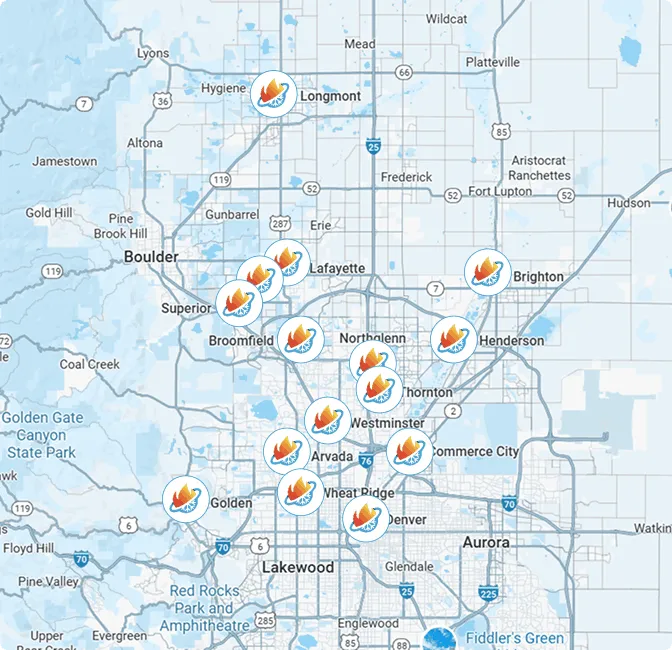
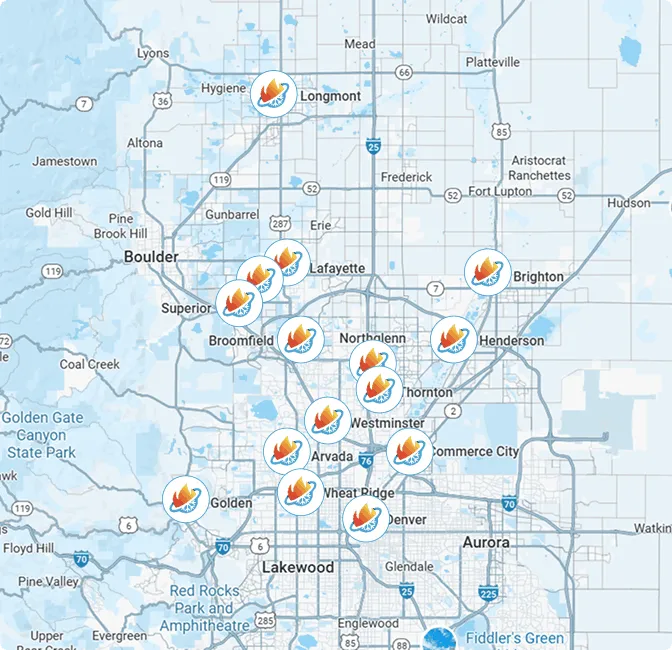
Service Areas

Testimonials
Neighbors trust Quality Heating & Air for honest work and fair pricing.
Service Areas